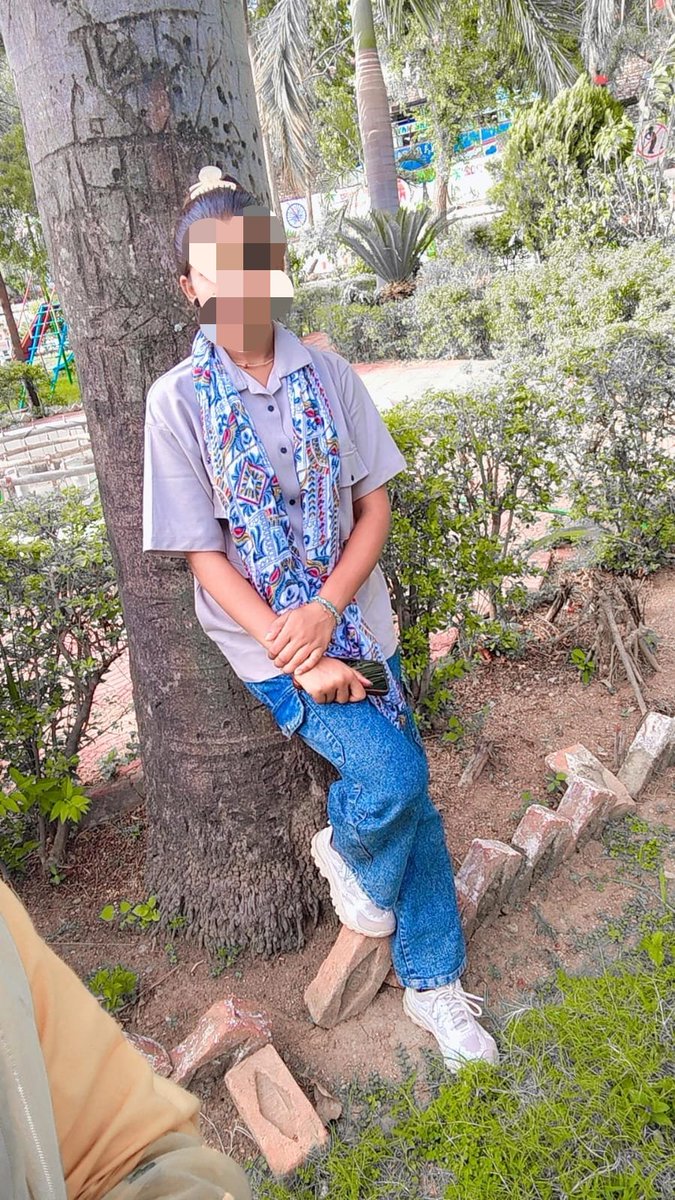

A grave situation has emerged in Madhya Pradesh’s Sidhi district, where the skeletal remains of a missing tribal student were discovered, raising concerns about crime and safety in the region. The 24-year-old B.A. final year student went missing on June 24 while returning home and was not reported missing until several days later, highlighting gaps in local law enforcement response.
Incident Timeline
The student, who was returning to Churhat after leaving Sidhi city, did not arrive home as expected on June 24. Her family promptly approached the Churhat police station to file a missing person report; however, they were redirected, advised to report the disappearance in Sidhi instead. This led to a delay in the filing of the missing person’s report, which was officially documented on June 27.
On July 1, law enforcement received information regarding the discovery of skeletal remains in the Kosta Pawai area. Upon investigation, police suspected that the remains could belong to the missing student. Family members were able to identify her through her clothing and shoes.
Police Investigation
Following the identification of the remains, police launched an investigation to uncover the circumstances surrounding the student’s death. Although specific details regarding the nature of the investigation have yet to be disclosed, the case brings to light the urgent need for effective policing in the region. The local authorities are now under pressure to provide clarity on the matter.
This incident raises significant concerns about the safety of women, especially in tribal areas of Madhya Pradesh. It also underscores the obstacles families often face in securing timely assistance from police authorities. The family’s experience and the subsequent police response could indicate broader systemic issues within law enforcement agencies in these regions.
Public Reaction and Media Coverage
The news has ignited outrage on social media platforms, with many calling for justice and proper investigations into the case. Activists highlight the dangers faced by tribal communities, particularly women, emphasizing the need for heightened security measures and faster response times from law enforcement.
This incident not only reflects the vulnerability of tribal students but also serves as a reminder of the prevailing societal issues that need to be addressed to ensure safety and justice. Media coverage has been focused on generating public awareness about such issues, aiming to hold authorities accountable for their inaction.
Why This Matters
The death of the tribal student is emblematic of larger issues ranging from systemic police negligence to the safety of marginalized groups in India. It raises critical questions about governance and the efficacy of law enforcement, particularly in rural regions where resources are limited. Incidents like this can potentially ignite a movement for better protection of women and minorities, influencing local and national policies regarding safety and justice.
This situation may also galvanize political actors and activists within Madhya Pradesh, drawing attention to the broader socio-political landscape regarding crime and justice. Such developments could lead to demands for reforms in police procedures, especially concerning handling complaints related to missing persons and women’s safety.
Frequently Asked Questions
What happened to the missing student?
The missing tribal student was reported missing on June 24, and her skeletal remains were discovered on July 1 in Sidhi district, Madhya Pradesh.
Why did it take time to report her missing?
Her family initially faced obstacles when trying to file a missing person report at the local police station, being redirected to report in Sidhi city instead.
What are the authorities doing now?
Local police are currently investigating the circumstances surrounding the student’s death and have begun procedures to gather evidence and ascertain the cause of death.
What does this incident highlight about law enforcement in Madhya Pradesh?
This incident underscores significant concerns regarding the responsiveness and effectiveness of law enforcement in rural areas, especially concerning the safety of women from marginalized communities.