
Summary
In Ghaziabad, a Muslim youth named Salim was brutally beaten by cow vigilantes while allegedly transporting meat, leading to questions about police inaction. Videos of the incident have surfaced, prompting discussions about the implications of mob lynching and vigilantism in India.
Incident Overview
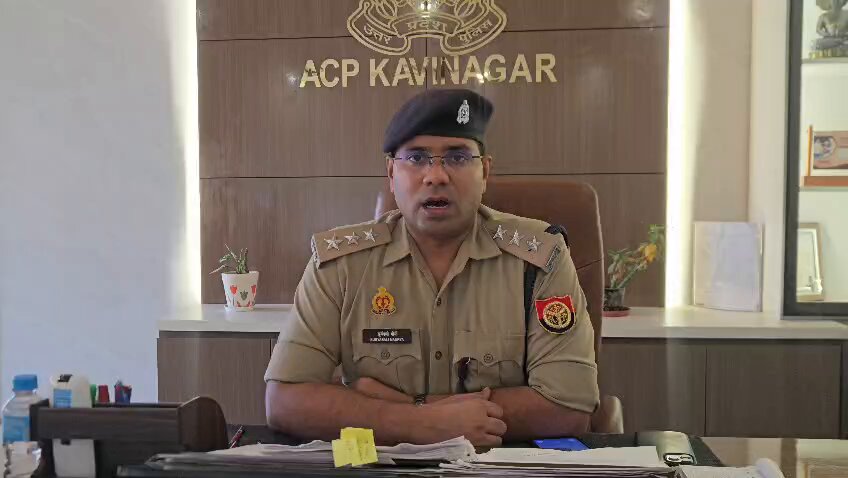
On a recent occasion in the Kavinkumar police station area of Ghaziabad, a group of self-identified cow protectors assaulted Salim, who was reportedly carrying meat in a sack. The vigilantes suspected that the meat was beef, which is illegal in several Indian states, including Uttar Pradesh, where Ghaziabad is located. Eyewitness accounts and videos shared on social media depict a violent scene where Salim was struck with sticks and iron rods. Despite the evidence of violence, there has been no official police action against the attackers, raising serious concerns about law enforcement’s role in such incidents.
Legal and Social Implications
This incident raises critical questions regarding mob lynching and the application of laws surrounding such acts. Under existing Indian law, mob lynching is considered a serious crime, yet perpetrators often escape accountability. The reluctance of law enforcement to act against individuals taking the law into their own hands reflects the growing trend of vigilantism in India, especially concerning issues related to cow protection. Activists and legal experts have highlighted the need for stricter enforcement of laws to deter such violent acts and to protect vulnerable communities from mob justice.
Political Context
The increasing reports of mob lynching, particularly targeting Muslim individuals under the guise of cow protection, have significant political repercussions. In the past few years, various incidents have led to national outrage and debates about communal harmony in India. Political parties and leaders have been urged to take a firm stand against cow vigilantism, as it threatens India’s secular fabric. The current incident in Ghaziabad not only exemplifies this ongoing issue but also poses challenges for law and order, as well as the credibility of the police. The failure to act against the perpetrators could further embolden vigilante groups, exacerbating communal tensions and instability.
Why This Matters
The Ghaziabad incident is emblematic of a larger socio-political issue in India that revolves around vigilantism and communal violence. The lack of accountability for mob justice poses a threat not only to the rule of law but also to the rights and safety of minority communities. For Indian readers, understanding this context is crucial, as it highlights the ongoing struggle for justice and the need for systemic reforms to ensure safety and equality in a diverse society. As political tensions rise, the resolution of such incidents could influence public trust in law enforcement and the government’s ability to safeguard citizens’ rights.
Frequently Asked Questions
What exactly happened in Ghaziabad?
A Muslim youth named Salim was beaten by cow protectors while allegedly transporting meat suspected to be beef. Videos of the incident have emerged, yet no action has been taken against the assailants.
Why are cow vigilantism and mob lynching significant issues in India?
These issues highlight a growing trend of communal violence where individuals take the law into their own hands, often targeting minority communities. This raises serious questions about the rule of law and the protection of rights.
What are the legal repercussions for mob lynching in India?
Mob lynching is considered a serious crime under Indian law, yet enforcement is often inadequate. There are calls for stricter actions to deter such vigilante crimes and to hold perpetrators accountable.
How have political parties responded to incidents of mob lynching?
Responses vary, with some parties condemning the acts and others accused of fueling divisive narratives. The effectiveness of political responses often affects public trust in the government and law enforcement agencies.