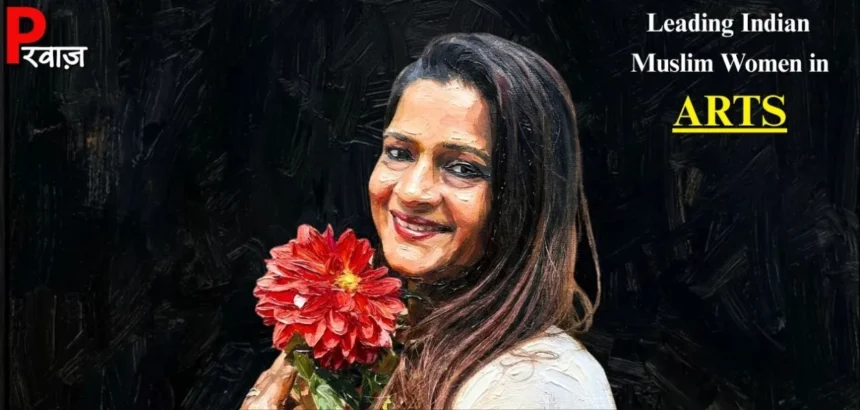

Rani Khanam, a revered Kathak artist from a conservative background, showcases the power of art in challenging societal norms. Through her work, she not only advocates for women’s empowerment but also helps underprivileged communities, using her platform to address discrimination and marginalization faced by Indian Muslims and other marginalized groups in contemporary society.
The Journey of Rani Khanam: A Testament to Resilience
Born into a conservative family in Gopalganj, Bihar, Rani Khanam’s early life was marked by societal expectations that repressed her passion for dance and music. Despite her family’s traditional views against performing arts, Rani secretly practiced Kathak, ultimately breaking free from constraints to pursue her dreams. With years of dedication, she trained under renowned mentors, including Pandit Birju Maharaj, and emerged as one of the most influential figures in the Kathak dance form.
Rani’s artistic journey is not just a personal triumph; it reflects a broader issue within Indian society regarding the acceptance of diverse forms of artistic expression, especially among marginalized communities. Kathak, traditionally viewed as an elite art form, is often inaccessible to those from economically weaker backgrounds, highlighting a divide exacerbated by social class and religion.
Empowerment Through Art: A Catalyst for Change
With her dance troupe, Rani Khanam has gained international acclaim, performing in various countries and using her platform to address critical social issues. The founder of Aamad Performing Arts Centre, Khanam has transformed the space into a haven for aspiring artists, particularly from disadvantaged backgrounds. The center promotes inclusivity and provides scholarships to youth pursuing careers in the arts.
Rani Khanam’s choreography often intertwines themes of gender equality, women’s rights, and social inclusion, addressing societal norms that marginalize groups based on economic status and gender. Her impact is evident; Aamad has reached over two million individuals, fostering dialogue and awareness about the challenges confronted by women and marginalized communities, including Indian Muslims, in a rapidly changing socio-political landscape.
Art as a Medium for Cultural Dialogue
Through her innovative creations, Rani Khanam brings forth the rich heritage of Sufism and Islamic themes in Kathak, challenging the often single-dimensional narrative surrounding Muslim artists in India. By introducing dance compositions inspired by Islamic verses and Sufi poetry, she cultivates a dialogue that highlights shared cultural identities amidst rising communal tensions.
Rani’s unique perspective on dance stems from her background in the Chishti Sufi order, allowing her to blend spirituality with performance. This fusion not only enriches Kathak but also emphasizes the importance of creative expressions in bridging divides among differing social and religious groups, particularly in a climate where Indian Muslims face increasing discrimination.
Why It Matters
Rani Khanam’s journey underscores the ongoing issues of discrimination, economic disadvantage, and social exclusion faced by Indian Muslims and other marginalized groups. In an age where cultural expressions are often politicized, her work demonstrates how art can serve as a powerful tool for inclusivity and healing. By portraying diverse narratives through dance, Khanam fosters understanding and respect across communities, encouraging a shift in societal attitudes toward marginalized artists. This not only affects cultural dynamics but also has implications for policy discussions surrounding the arts, education, and social justice in India.
Frequently Asked Questions
Who is Rani Khanam?
Rani Khanam is a renowned Kathak dancer and the founder of Aamad Performing Arts Centre, known for her work in promoting women’s rights and addressing social issues through dance.
What themes does Rani Khanam explore in her performances?
Khanam’s dances often explore themes of women’s empowerment, gender equality, and social inclusion, frequently inspired by Sufi poetry and Islamic verses.
How has Rani Khanam contributed to marginalized communities?
Through her center, Aamad, she provides dance training and scholarships to underprivileged youth, creating opportunities for artists from economically weaker backgrounds.
What recognition has Rani Khanam received for her work?
She has received multiple awards, including the Women Achievement Award in 2022 and the National Unity Award in 2017, for her contributions to art and social issues.