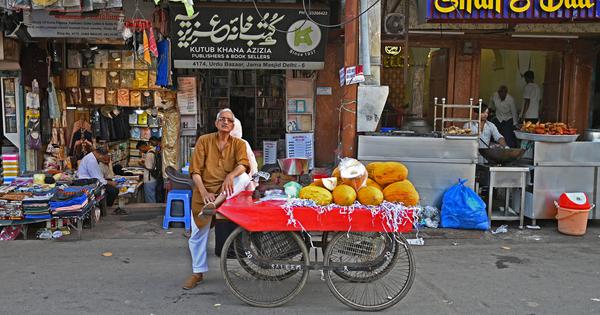

The systematic marginalization and economic disenfranchisement of Indian Muslims under the Bharatiya Janata Party (BJP) and its affiliates have intensified since Narendra Modi assumed leadership. State mechanisms and policies have all contributed to an atmosphere where Muslim livelihoods face targeted assaults, revealing a broader project of social exclusion and economic harm.
Government Policies Targeting Muslim Livelihoods
The Modi government has overseen a deliberate dismantling of economic opportunities for Muslims, making it clear that this is not merely a series of isolated hate incidents. Analysts highlight “Muslim disadvantage” as a significant issue, yet the absence of protective policies stands in stark contrast to the aggressive actions taken against Muslim livelihoods. Programs aimed at educational and economic support for Muslims have been either unwound or severely underfunded.
For example, the introduction of stringent cow protection laws and systematic underfunding of schools in Muslim-majority areas have exacerbated economic disparities. Moreover, state-sponsored demolitions of Muslim properties have become increasingly common, highlighting a top-down approach that facilitates economic disenfranchisement.
The Halal Certification Controversy
One of the most notable recent initiatives is the imposition of bans on halal products by state governments, particularly in Uttar Pradesh. In 2020, a comprehensive ban was enacted that not only included food but also drugs and cosmetics certified halal. This reaction stemmed from a concerted campaign by Hindutva groups, which labeled halal certification as “economic jihad” aimed at the Islamization of India.
The opposition to halal has escalated into social boycotts, where Hindutva activists urge consumers to avoid halal-certified products, further ostracizing Muslim-owned businesses. Critics point out that the rationale for these bans often relies on erroneous claims that halal practices create an economic disadvantage for non-Muslims, echoing sentiments reminiscent of past discriminatory practices that have targeted minority communities.
Amendments and State Control Over Waqf Properties
In 2025, the Lok Sabha passed amendments to the Waqf Act, drastically altering the management of properties dedicated for charitable purposes within the Muslim community. By placing these properties under increased state control and inviting non-Muslim oversight, the amendments pose a grave risk to the already limited resources available for the socio-economic upliftment of Muslims.
The rationale given for these amendments centers around promoting transparency and efficiency; however, many Muslim organizations view it as an attempt to erode community control over essential resources. Such measures could lead to an erosion of financial support structures such as educational institutions and social welfare programs that rely on waqf properties.
Why It Matters
The impact of these policies on the Indian Muslim community is profound, as they perpetuate cycles of poverty and social exclusion. Broader implications extend to societal stability, as marginalization can lead to increased tension and conflict within communities. Internationally, these developments shed light on the troubling intersection of politics and social justice, particularly in multi-religious contexts like India. For tech developers and online platforms, the ramifications could influence content moderation, user engagement, and ethical frameworks regarding religious and community representation in digital spaces.
Frequently Asked Questions
What are the main policies affecting Muslim livelihoods in India?
Key policies include stringent cow protection laws, bans on halal certification, and amendments to the Waqf Act, which place increased control over Muslim properties under state oversight.
How have Hindutva movements influenced public perception of halal products?
Hindutva groups have campaigned vigorously against halal products, labeling them as instruments of “economic jihad,” which has led to significant social boycotts of Muslim-owned businesses and increased tension between communities.
What are the concerns surrounding the Waqf Act amendments?
The amendments have sparked fears over the erosion of community control over waqf properties, which are vital for education and social welfare in the Muslim community. Critics argue these changes serve to weaken the community’s socio-economic infrastructure.
What are the implications of government actions for social harmony in India?
The systematic targeting of Muslim livelihoods through state policies can exacerbate communal tensions, undermine social cohesion, and instigate conflict in a diverse nation like India.