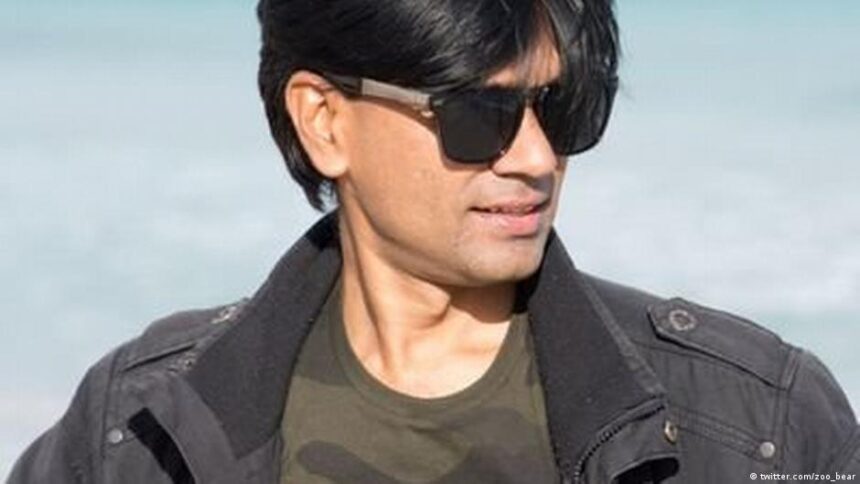

The recent arrest of Muhammed Zubair, co-founder of the fact-checking site Alt News, highlights increasing threats to press freedom in India. Zubair faces allegations stemming from a satirical tweet made in 2018, intensifying concerns over government repression of dissent and freedom of expression.
The Arrest of Muhammed Zubair
Zubair was detained after a complaint was filed regarding a tweet that altered the name of a hotel to “Hanuman Hotel,” which was perceived by some as offensive to Hindu sentiments. This tweet, posted over four years ago, drew renewed ire when a Twitter user cited it as an affront to his religious beliefs. Zubair is known for his critical stances against misinformation and hate speech directed at minorities, making his arrest a troubling signal of the current state of free speech in India.
Implications for Press Freedom
The arrest occurred shortly after Zubair brought attention to inflammatory remarks made by a former spokesperson of the Bharatiya Janata Party (BJP). Sanjay Kapoor, secretary-general of the Editors Guild of India, expressed alarm over the incident, indicating that it points to a larger pattern of intolerance and aggression towards journalists under the current right-wing government. This incident underscores the ongoing crisis of press freedom, as severe penalties for dissenting voices have become more commonplace.
International Response and Press Crackdown
As Prime Minister Narendra Modi attended the G7 summit, countries, including India, pledged to uphold freedoms of expression. However, the irony of India signing the “2022 Resilient Democracies Statement” while detaining Zubair raises critical questions about government commitments to democratic values. Legal frameworks such as the Information Technology Act and the 2021 IT Rules place additional risks on journalists, who fear punitive repercussions for online content criticizing state authorities. This troubling trend is exacerbated by reports of violence against journalists, including killings and physical assaults, which further stifles independent reporting.
Why This Matters
The arrest of Muhammed Zubair serves as a troubling indicator of the deteriorating landscape for journalism and freedom of expression in India. As the government increasingly cracks down on dissent, it signals to journalists, activists, and citizens that speaking out against power may come at a harsh price. This trend is crucial as a diminishing space for debate threatens to undermine democracy itself. It calls for collective responsibility among the public, civil society, and international observers to push back against such encroachments on foundational freedoms.
Frequently Asked Questions
Who is Muhammed Zubair?
Muhammed Zubair is the co-founder of Alt News, a fact-checking website focused on countering misinformation and hate speech in India. He has been particularly vocal against disinformation targeting minority communities.
What is the charge against Zubair?
Zubair was detained due to a complaint regarding a satirical tweet made in 2018 that allegedly mocked Hindu sentiments. Critics argue that the timing of the arrest indicates a broader agenda against dissenting voices.
How does this affect press freedom in India?
This arrest exemplifies a growing trend of repression against journalists in India, particularly those who challenge governmental narratives. It reflects a climate of fear that discourages independent journalism and stifles open discourse.
What actions have been taken by global organizations?
Global press bodies like the Committee to Protect Journalists and the International Press Institute have condemned Zubair’s arrest and called for his immediate release, emphasizing the need to protect journalists and uphold press freedom worldwide.