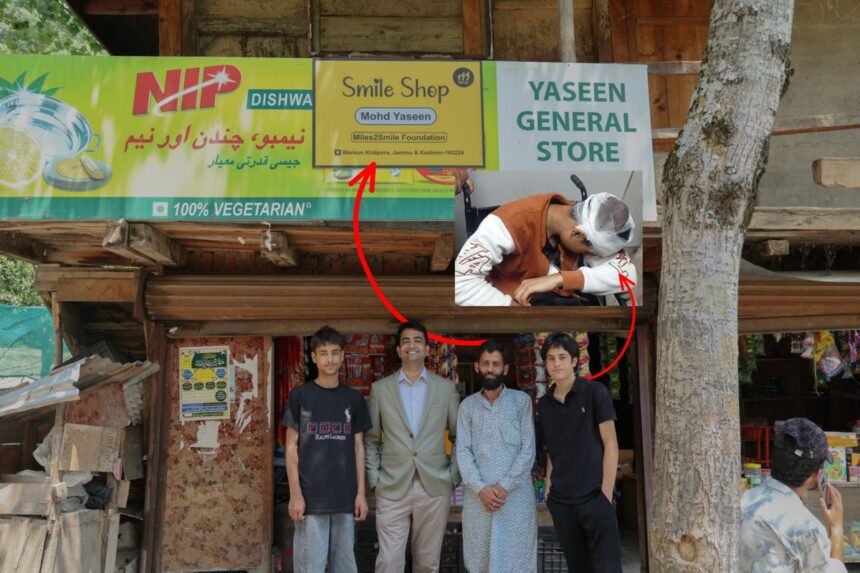

In a heartfelt moment, Yaseen Sahab expressed his gratitude for the presence of a supporter at the opening of their new Smile Shop, a venture established after a devastating incident involving his son, Tabish. This initiative marks a beacon of hope for the family, reinforcing the commitment to uplift them through challenging times.
Background on the Incident
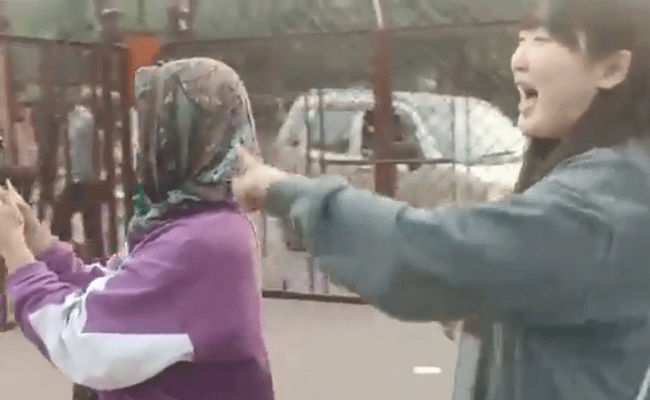
The story of Yaseen Sahab and his son Tabish illustrates a larger narrative that reflects the ongoing challenges faced by minorities in India. Tabish, an 18-year-old Kashmiri Muslim, suffered a brutal attack that left him fighting for his life simply for trying to assist his father in selling winter garments. This incident is a stark reminder of the intolerance that can arise from ethnic and religious differences in various regions of India.
His injuries were severe; however, through the intervention of organizations like Miles2Smile, Tabish received essential medical treatment that paved the way for his recovery. This organization’s commitment went beyond just physical healing; it also ensured that Tabish’s education continued uninterrupted despite the trauma he endured.
Establishing the Smile Shop
The recent opening of the Smile Shop in Kupwara marks a significant milestone not only for the Sahab family but also for the community as a whole. This small shop symbolizes more than just a business endeavor; it reflects resilience, hope, and the potential for rebuilding lives after facing adversity.
With the support of various charitable initiatives, Yaseen Sahab and his family can now look forward to a dignified livelihood. The shop serves as a means for them to stand on their own feet, contributing to the local economy while also serving as a testament to their strength and perseverance.
The Role of Community Support
The journey of Tabish and his family highlights the incredible impact of community support and compassion in times of crisis. Many families that have faced similar challenges often find themselves abandoned due to societal bias and prejudice. However, through solidarity and outreach from organizations like Miles2Smile, there remains a glimmer of hope.
The establishment of the Smile Shop is a direct result of fulfilling promises made to the Sahab family—promises that emphasize resilience in the face of unimaginable hate. It is a reminder that with community support, it is possible to overcome significant obstacles and create avenues for recovery.
Why This Matters
This story carries immense political significance for Indian readers as it brings to light ongoing issues of intolerance and violence against minorities in the country. The targeted attacks on individuals simply based on their religious identity pose critical questions about social cohesion and national identity.
Moreover, initiatives like the Smile Shop are vital in fostering a culture of compassion and resilience, which are crucial for a society striving for inclusivity. When communities unite to support one another, it not only restores hope but also challenges the despair and division that many may try to perpetuate.
As discussions surrounding minority rights and social justice continue, stories like that of the Sahab family resonate deeply, serving as case studies that underscore the need for greater empathy and support in overcoming the societal fractures within our nation.
Frequently Asked Questions
What is the Smile Shop?
The Smile Shop is a small business established by the Sahab family to provide them with a means of livelihood following a traumatic incident that impacted them deeply.
Why was Tabish targeted?
Tabish was targeted simply for being a Kashmiri Muslim, highlighting the vulnerabilities faced by minority groups in India.
How did Miles2Smile help the Sahab family?
Miles2Smile supported Tabish’s medical treatment and education while also committing to assist his family in rebuilding their lives post-trauma.
What does this story represent for communities?
This story represents hope, resilience, and the power of community support in overcoming adversity, as well as a reflection on the challenges still faced by minorities in India.