
The recent electoral roll deletions in West Bengal, India, have disproportionately affected the Muslim population, leading to fears of economic and social exclusion. This situation raises significant concerns about the implications of linking voter status to access to government welfare schemes, particularly as critical elections approach.
Disenfranchisement through Electoral Roll Changes
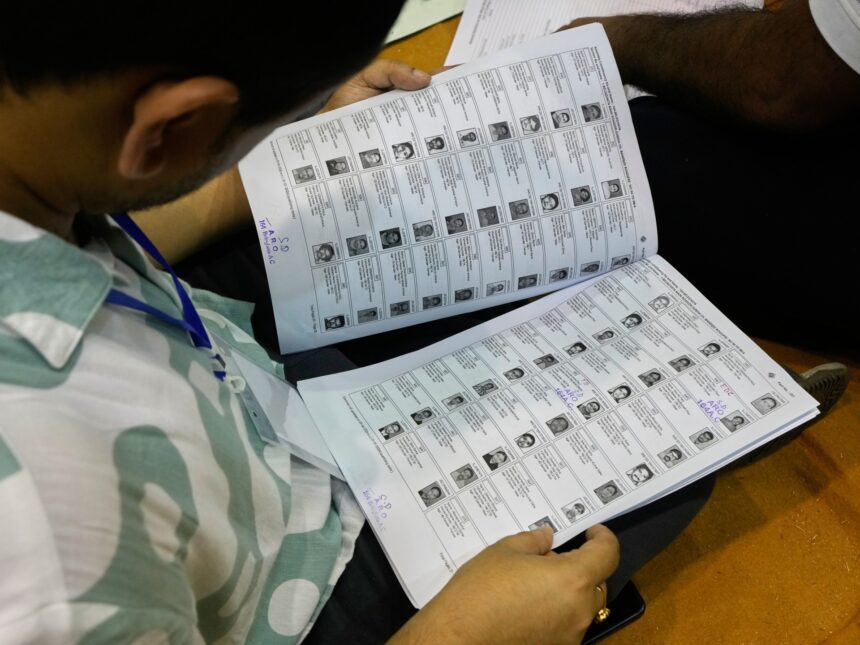
Antu Sheikh, a 40-year-old railway construction worker, finds himself amidst growing concerns after being removed from the electoral rolls just days before the recent elections in West Bengal. Sheikh is one of 9 million individuals affected by a nationwide Special Intensive Revision (SIR), which aims to remove deceased or duplicate voters but has drawn ire for its impact on minority groups. In West Bengal, home to over 100 million residents, 27% of whom are Muslim, experts have noted a troubling pattern: Muslim residents are disproportionately impacted by these deletions, especially in regions where they could influence electoral outcomes.
Following the BJP’s rise to power, the state government has tied welfare benefits—including essential subsidies for food—to the status of the electoral roll. Individuals like Sheikh fear that their removal from the rolls not only disenfranchises them but jeopardizes their access to basic necessities. In a recent government directive, those listed as excluded under the SIR will have their ration cards marked inactive, cutting off a vital lifeline.
Welfare Benefits at Risk
The implications of the SIR extend beyond voting rights, affecting crucial welfare schemes designed to support economically vulnerable citizens. An order issued by West Bengal’s Food and Supplies Department explicitly outlines that individuals whose names have been removed from the electoral rolls will also be ineligible for food rations and other benefits provided under the Public Distribution System (PDS). This decision has plunged many, including Sheikh and others like Sakeena Bano, into a state of uncertainty about their survival.
Bano, who has been denied access to vital food security measures following her unsuccessful appeal to a tribunal, expressed frustration regarding the system’s operation. With three children to care for, she relies heavily on these welfare programs. Similar sentiments are echoed by Imtiyaz Ahmed, who along with his brother, found themselves removed from the lists despite their long-standing involvement as election officials. They now fear their welfare support may also be revoked without fair explanation or justification.
The Broader Implications of SIR and Exclusion
Legal experts have raised significant concerns about the constitutionality of linking the status of electoral rolls to eligibility for government welfare. As noted by Sanjay Hegde, a lawyer and rights advocate, such actions risk institutionalizing a system where only voters receive state support, effectively marginalizing non-voters, including economically disadvantaged groups and children under 18. The recent SIR exercise has not only led to the unfair exclusion of millions but also presents a troubling precedent where governments may leverage welfare benefits to manipulate voter behavior, particularly against communities deemed less favorable politically.
Jean Dreze, an esteemed welfare economist, criticized the SIR as unreliable and authoritarian, emphasizing that using flawed methods to determine access to essential resources exacerbates the hardships faced by marginalized populations. The urgent need for a transparent and accountable process is evident, yet many individuals feel disenfranchised and hopeless as they navigate this complicated appeal system, which offers little promise of timely justice.
Why It Matters
The situation in West Bengal serves as a critical case study for understanding the political dynamics surrounding voter rights and welfare access in India. As electoral motivations shape policies that can significantly impact minority communities, the ongoing developments could set a dangerous precedent. The implications for social cohesion, economic stability, and the protection of human rights are profound, representing a shift in how governance is approached in a democratic society. If welfare becomes contingent on electoral participation, it threatens not just economic security but the fundamental rights of citizenship for millions.
Frequently Asked Questions
What is the Special Intensive Revision (SIR) process?
The SIR is an initiative by India’s Election Commission aimed at identifying and removing deceased, duplicate, or dubious voters from electoral rolls. In West Bengal, this process has been criticized for disproportionately affecting Muslim populations.
How does the SIR affect access to welfare programs?
The West Bengal government has linked eligibility for welfare benefits, such as food rations, to one’s status on the electoral roll. Those removed from the rolls under the SIR face the risk of losing access to these essential supports.
What rights do those removed from the electoral rolls have?
Individuals removed from the electoral rolls have the right to appeal their exclusion in special tribunals. However, many have reported that their cases are processed without proper hearings, leading to feelings of disenfranchisement.
What are the broader implications of these policies for society?
This situation raises significant concerns about the intersection of voter rights and welfare access, highlighting the potential for governmental abuse and societal division along political lines, especially among marginalized communities.