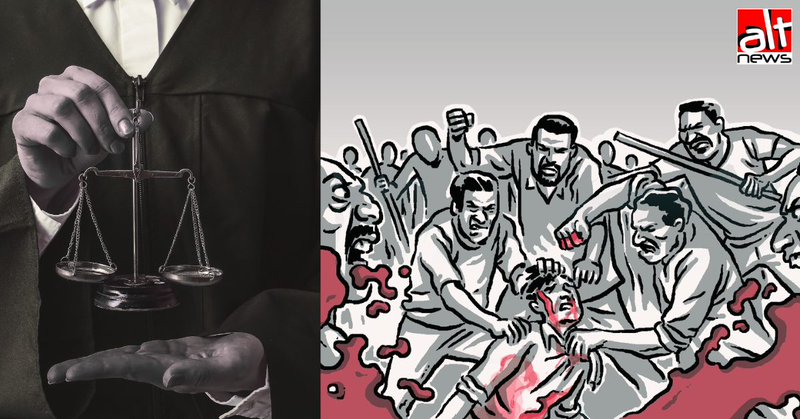

In a recent incident highlighting the tension between law enforcement and vigilante groups in India, Madhya Pradesh judge Tabassum Khan has become a target of threats following her verdict sentencing 14 cow vigilantes to life imprisonment for murder. The backlash, exemplified by a rape threat from one Vishal Thakur in Surat, signals a troubling trend of intimidation against judicial figures who enforce the law impartially.
Context of the Incident
On June 12, 2023, Judge Tabassum Khan sentenced 14 individuals to life imprisonment for their roles in the lynching of a Muslim truck driver in Madhya Pradesh. The incident, which took place in 2022, was reportedly conducted by cow vigilantes who claimed to be protecting cattle, which has become a charged issue in Indian society. This sentencing was not only a legal action but also a significant statement against mob justice and communal violence in a country increasingly polarized along religious lines.
Threats and Public Backlash
The reaction to this conviction has been alarming, with a wave of threats directed at Judge Khan. Vishal Thakur’s statement is particularly egregious, reflecting a broader societal issue where individuals who uphold the law are intimidated by those who feel empowered by communal ideologies. The threats against Khan resonate with a history of violence against members of the judiciary and civil society who attempt to challenge or dismantle entrenched socio-political structures.
The Role of Vigilantism in Indian Society
Vigilante justice is increasingly common in parts of India, where groups often take the law into their own hands under the guise of protecting cultural or religious values. The rise of cow vigilantism, in particular, has been linked to certain political ideologies that place emphasis on Hindu nationalism. This case underscores the dangerous intersection of law, politics, and community violence, as those who engage in vigilantism often enjoy support from segments of the political landscape.
Why This Matters
This incident has broad political implications for India as it raises questions about the independence of the judiciary and the safety of its members. The threats against Judge Tabassum Khan illustrate an alarming trend in which judicial decisions that conflict with popular or political sentiments provoke aggressive backlash. As communal tensions rise, protecting the integrity of the judiciary becomes critical to maintaining democratic norms. This episode could also deter other judges from making fair rulings, undermining the rule of law and exacerbating impunity for communal violence.
Frequently Asked Questions
What was the reason behind the death sentence for the cow vigilantes?
The cow vigilantes were sentenced for their involvement in the lynching of a Muslim truck driver, which resulted in severe public outrage and a legal crackdown on mob justice.
How has the judiciary in India been affected by communal tensions?
The judiciary faces increasing challenges as communal tensions rise; threats and violence against judges and legal practitioners threaten judicial independence and the rule of law.
What is the legal framework surrounding cow vigilantism in India?
While cow slaughter is banned in many states, the rise of vigilante groups claiming to protect cows has led to mob justice cases, often resulting in grave legal and moral dilemmas regarding law enforcement and community rights.
What implications does this incident have for future judicial rulings?
The intense backlash against Judge Khan may discourage other judges from making impartial decisions, particularly in cases involving sensitive communal issues, thereby impacting the legal landscape of India.