
Summary: The demolition of five mosques in Varanasi as part of a road widening project has raised concerns over the treatment of Muslim religious sites under the current Indian government. This action reflects broader issues of discrimination and marginalization that have emerged in the sociopolitical landscape, particularly affecting minority communities in India.
Demolition of Mosques in Varanasi: A Controversial Initiative
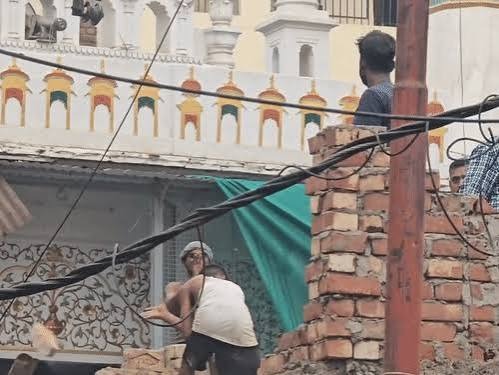
On July 1, 2026, the Varanasi district administration initiated the demolition of five mosques to facilitate the Dal Mandi road widening project, a significant infrastructure endeavor endorsed by Prime Minister Narendra Modi. This project aims to expand the road to a width of 17.5 meters, offering improved access to the Kashi Vishwanath Temple. The existing road, pivotal for commerce in a locality predominantly inhabited by Muslims, has been marred by encroachments over the years.
With the demolition of these religious sites, the project has evoked concerns among local Muslim communities. Despite agreements purportedly reached with five mosque management committees, critics argue that the demolitions reflect systemic efforts to marginalize Muslim identities and their cultural heritage within urban developments.
Security Measures and Local Reactions
The demolition operation commenced early morning, heavily guarded by police forces, including the Provincial Armed Constabulary and Rapid Action Force. Around 250 officers were deployed, accompanied by drone surveillance teams to monitor the operation. This show of force underscores the contentious nature of the demolition, provoking fears and apprehensions within the community.
Local shopkeepers, such as Hafizur Rahman, lament the imminent loss of both their places of worship and livelihoods. Rahman notes that around 250 to 300 individuals frequent the Mirza Karimullah Beg Mosque for prayers, highlighting the mosque’s role as a civic and spiritual hub. The emotional toll of losing a religious site is evident, with caretakers asserting the cultural and historical significance of these mosques, some dating back nearly 200 years.
Legal Proceedings and Future Implications
Amidst the demolition, the matter of the sixth mosque, Langde Hafiz Mosque, remains pending before the court, indicating an ongoing struggle for legal recognition and protection of minority religious sites. The local mosque management contemplates the potential for relocations, acknowledging the challenges in securing land in Varanasi, where Muslims have historically encountered obstacles to property ownership and access to public resources.
Syed Mohammed Yaseen, head of the committee managing the affected mosques, emphasizes that these sites are waqf properties, protected by Islamic law, which prohibits their transfer to governmental ownership without due process. The ongoing litigation reflects a broader tension within Indian society regarding the balance between urban development and the preservation of community identities.
Why It Matters
The actions taken by the Varanasi district administration highlight significant issues surrounding urban infrastructure improvement and its impact on minority religious sites. The demolitions may serve as a microcosm of larger structural disparities faced by Muslim communities in India, reflecting feelings of disenfranchisement and social exclusion. For developers and urban planners, this situation raises questions about the ethical considerations of development initiatives that may sideline cultural heritage and communal rights in favor of economic growth. The consequences of this project could set precedents for how similar developments are approached across India and may influence future urban policies.
Frequently Asked Questions
What is the Dal Mandi road widening project?
The Dal Mandi road widening project is an initiative to expand existing roads in Varanasi to improve infrastructure and access to the Kashi Vishwanath Temple, endorsed by the Indian government.
How many mosques were demolished in Varanasi during this operation?
Five mosques were demolished as part of the operation, with one mosque remaining due to ongoing court proceedings regarding its status.
What are the implications of demolishing religious sites for local communities?
The demolition of religious sites can lead to a loss of cultural and historical identity for communities, as well as economic impacts for local shopkeepers and residents who rely on these sites for their livelihoods.
Is there legal recourse for the affected mosque committees?
Yes, the affected mosque committees can pursue legal action, as evidenced by the pending case concerning the Langde Hafiz Mosque. However, securing legal protections can be complex and time-consuming.