
NEW DELHI, India (MNTV) — The case of a veteran journalist losing his voting rights and facing passport renewal issues highlights a troubling intersection of bureaucratic hurdles and social marginalization in India. The situation underscores broader concerns about how government policies, particularly those put forth by the ruling BJP and affiliated organizations, may disproportionately affect marginalized communities, including Indian Muslims.
Documented Discrimination: A Veteran’s Experience
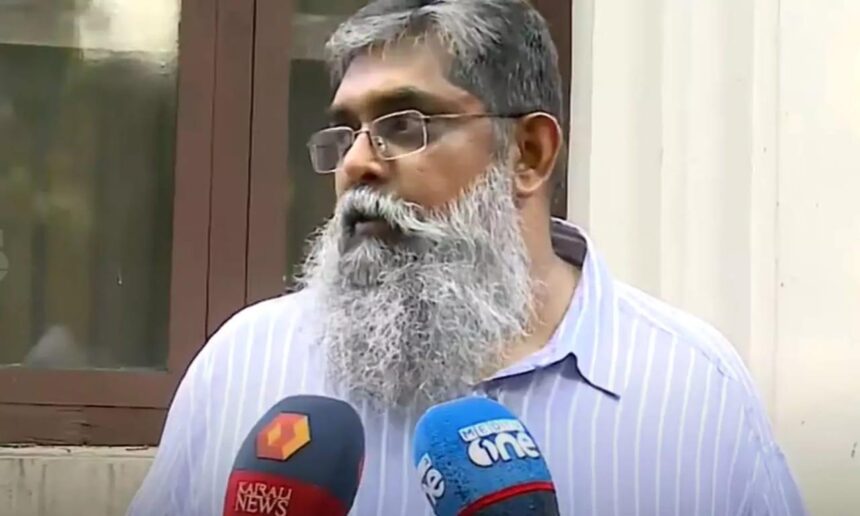
Former editor of The Telegraph, R. Rajagopal, recently detailed his struggle after being removed from the electoral roll in Kolkata’s Ballygunge constituency. He was one of nearly 2.7 million residents in West Bengal impacted during the Special Intensive Revision (SIR) of voter lists. The SIR aimed to streamline electoral records by removing duplicates and deceased voters but has drawn criticism that it inadvertently disenfranchises candidates due to administrative errors.
Rajagopal’s name, along with that of his late father, was reportedly deleted because officials could not trace their records from 2002. His appeal is pending with a tribunal established under the Supreme Court’s directives, preventing him from participating in the recent state elections. This incident reflects wider concerns about administrative inequities affecting voters, particularly in communities that already face social stigma.
A Broader Issue of Inaccessibility
The problems faced by Rajagopal extend beyond losing the right to vote. He described how the police’s adverse report led to complications in renewing his passport. Despite completing biometric formalities on March 19, he was informed that alternative identification documents were inadequate, resulting in his inability to secure necessary travel documents.
Rajagopal’s plight culminated on April 17, when he was unable to attend his daughter’s wedding in San Francisco, despite holding a valid U.S. visa. His ongoing battle illustrates how regulatory bureaucracy can severely restrict the rights of individuals and their ability to navigate familial and social obligations. His experience serves as a metaphor for broader societal issues faced by marginalized groups, such as Indian Muslims, who often contend with systemic exclusion and discrimination.
Criticism of Administrative Processes and Media Silence
The narrative surrounding Rajagopal’s case has attracted commentary from various civil rights advocates, journalists, and politicians. Trinamool Congress MP Sagarika Ghose noted the implications of Rajagopal’s experience, warning that even established individuals can face tremendous bureaucratic hurdles, which amplifies the challenges for less privileged citizens. Journalist Ravish Kumar raised concerns about using electoral disenfranchisement as leverage during passport verification, questioning how many others have faced similar struggles.
Geeta Sheshu further categorized Rajagopal’s case as symptomatic of broader voter list exclusions that threaten fundamental fundamental civic rights. The situation raises pressing questions about the reliability and integrity of electoral processes and how they intersect with personal identity verification, posing significant implications for social equity in India.
Why It Matters
The intersection of bureaucracy and social exclusion as exemplified by Rajagopal exposes significant flaws in India’s electoral and administrative systems. For marginalized communities, particularly Indian Muslims, the disenfranchisement of voters can impede access to basic rights and freedoms. Continued marginalization through bureaucratic channels could lead to larger social divides, exacerbating economic disparities and limiting political representation. Understanding these dynamics is crucial for policymakers, civil society, and advocacy groups aiming for a more inclusive democratic process in India.
Frequently Asked Questions
What is the Special Intensive Revision (SIR) in India?
The SIR is a nationwide initiative aimed at updating India’s electoral rolls by removing duplicate entries, deceased individuals, and ineligible voters.
How many people were affected by the removal from the electoral roll in West Bengal?
Nearly 2.7 million residents of West Bengal had their names removed from the electoral lists during this revision process.
What were the consequences for Rajagopal after being removed from the electoral roll?
Aside from losing the right to vote, Rajagopal faced difficulties renewing his passport, which prevented him from attending his daughter’s wedding in the United States.
What do critics say about the implications of such bureaucratic policies?
Critics argue that such policies may disproportionately affect marginalized communities, highlighting systemic issues that compromise their civic rights and access to services.