
Summary
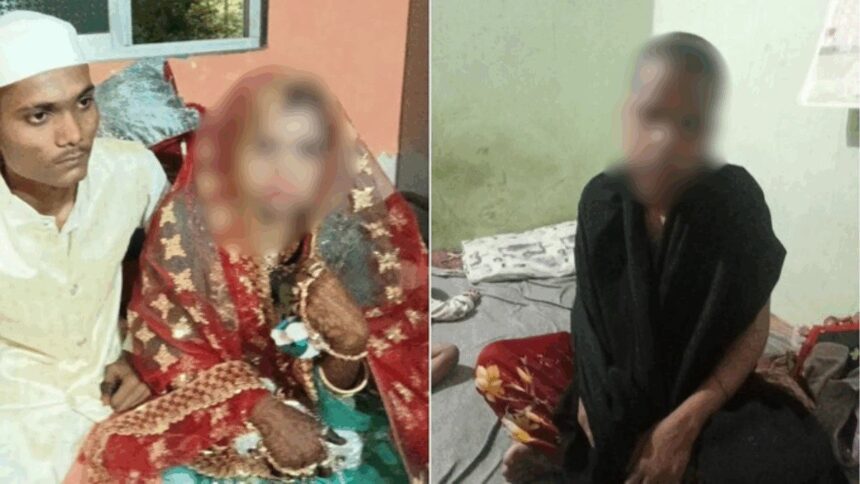
A 29-year-old woman from Maharashtra’s Kalyan has accused her husband and his family of severe physical and mental harassment, including dowry demands. Following a series of brutal incidents, she has sought refuge at a hospital, prompting police action against five family members as an investigation unfolds.
The Allegations of Harassment
Afsana, the woman in question, has leveled serious accusations against her husband, Sameer Ansari, and his family since their marriage in November 2025. Despite her family’s prior disclosure to the groom’s side regarding their financial difficulties and their inability to provide dowry, she reports that the situation quickly deteriorated. Soon after the wedding, pressure began mounting for money and gifts, leading to consistent violence and psychological torment during her pregnancy.
Her complaint details a grim pattern of abuse, including physical beatings by her husband and in-laws, as well as allegations of confinement and neglect. Such circumstances reflect not only personal suffering but also broader social issues tied to dowry-related violence, a concerning trend in many parts of India, especially impacting vulnerable women.
Details of Abuse During Pregnancy
Afsana’s ordeal extends beyond mere financial coercion. She claims she was subjected to starvation and isolated from her basic needs under the pretext of dowry issues. Notably, she described a harrowing incident where hot water was inflicted on her, resulting in severe burn injuries.
Among the most shocking of her claims is the alleged forced shaving of her hair by family members, who cited lice as an excuse. This act became a damaging symbol of control and humiliation. Following this incident, she was reportedly confined to a room for nearly a week, unable to seek help or escape her dire circumstances. These details underscore the lengths to which dowry-related domestic violence can extend, affecting women psychologically and physically.
The Escape and Legal Actions Initiated
Afsana’s bravery in escaping her oppressive household highlights an essential yet tragic narrative in contemporary Indian society. After managing to flee and reach her sister’s residence, she was admitted to Ulhasnagar’s Central Hospital, where her condition prompted medical intervention and a formal police report.
In response to her complaint, authorities have registered a case against five members of her husband’s family, marking a significant step towards addressing the allegations of dowry harassment and physical assault. Police are actively pursuing inquiries and will mark an important juncture in Afsana’s fight for justice, as well as an opportunity to raise awareness about similar domestic abuse cases lagging in the shadows due to stigma and fear.
Why It Matters
The ongoing legal and social issues surrounding dowry-related violence are crucial to understanding gender-based discrimination in India. This case exemplifies the severe risks that women, particularly from lower socio-economic backgrounds, face in the context of marital relationships. The regular occurrence of such incidents puts a spotlight on the failures of judicial systems to protect vulnerable populations. Furthermore, the case reflects broader social dynamics influenced by economic factors, family honor, and cultural norms that perpetuate violence against women.
For the global community, especially organizations working to combat gender-based violence, this situation serves as both a warning and a call to action. It outlines the urgent need for policy reform, cultural change, and support systems to ensure the safety and equality of women in India.
Frequently Asked Questions
What are the legal implications of dowry harassment in India?
Dowry harassment is a serious offense under Indian law, which can lead to criminal charges against the accused, including imprisonment. The Dowry Prohibition Act of 1961, along with sections of the Indian Penal Code, provides a legal framework to address complaints related to dowry demands, abuse, and violence.
How prevalent is dowry-related violence in India?
Dowry-related violence remains a widespread issue in India, affecting many women across socio-economic classes. Reports indicate that thousands of women are victims of dowry harassment annually, with many cases going unreported due to fear, stigma, and societal pressures.
What should someone do if they are a victim of domestic violence?
Victims of domestic violence are encouraged to seek help from local authorities, women’s rights organizations, or helplines. It is vital to document all incidents of abuse and to have a support system in place, whether from family or friends, to facilitate safety and recovery.
How can society help combat dowry-related violence?
Addressing dowry-related violence requires concerted efforts, including raising awareness, encouraging education about women’s rights, and advocating for legal reforms. Community support, involvement of non-profit organizations, and dialogues about changing cultural attitudes are essential in eradicating this deep-rooted issue.