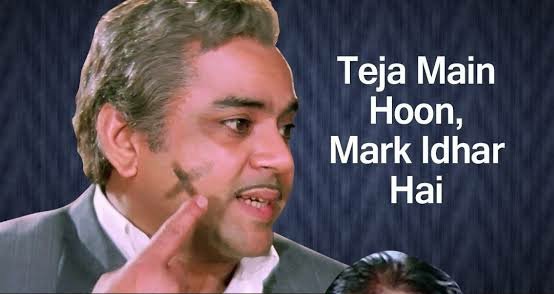

The recent online feud between prominent Indian political commentator Mohammed Zubair, known as @zoo_bear, and a parody account, sususwamy, has drawn attention. The feud escalated after the real Swamy’s Facebook account was blocked following a report, which led to a series of memes and trolling from the parody account, showcasing the contentious nature of online identities in the Indian political landscape.
Background of the Feud
In 2023, the online confrontation began when a Facebook account named sususwamy, managed by @zoo_bear, emerged. This account’s creation came after the original Swamy’s account was reportedly blocked by Facebook as a result of a report submitted by the real Swamy himself. In a bid to mock the situation, @zoo_bear posted a meme illustrating the stark difference in growth and popularity between the two accounts. This action not only highlighted the absurdity of the situation but also teased the dynamics of social media influence.
Growth of @zoo_bear
In a follow-up tweet, Mohammed Zubair reflected on the exponential growth of his account, stating that he created it in November 2017 and amassed 1.5 million followers by 2026. This staggering increase emphasizes the shift in public engagement towards independent fact-checking and commentary on social issues in India. Zubair expressed gratitude towards his followers, framing each follow as a ‘vote of trust,’ which underscores the vital role of social media in shaping public discourse.
Implications of Online Identity
The trolling by the sususwamy account raises pertinent questions about the authenticity and representation of individuals on social media platforms. This incident illustrates how parody accounts can manipulate narratives and influence perceptions in a digital age that often blurs the line between reality and satire. Such events reflect broader themes in Indian politics, where figures can be celebrated or denigrated based on their online personas, often detached from actual political actions or beliefs.
Why This Matters
This feud matters to Indian readers because it exemplifies the ongoing battle over information control, identity, and representation in a politically charged atmosphere. As social media continues to evolve as a platform for political discourse, incidents like these highlight the challenges faced by public figures in maintaining their credibility. Furthermore, the rise of parody accounts signals a cultural shift where humor intersects with political commentary, showcasing the resilience of satire as a tool for social critique in India.
Frequently Asked Questions
Who is Mohammed Zubair?
Mohammed Zubair, known as @zoo_bear, is a prominent Indian political commentator and co-founder of Alt News, which focuses on fact-checking and combating misinformation.
What caused the feud with the sususwamy account?
The feud started when a Facebook account named sususwamy, managed by Zubair, was reported and subsequently blocked, prompting Zubair to post a meme mocking the situation.
What significance do parody accounts have in Indian politics?
Parody accounts often function as vehicles for satire, allowing users to critique public figures and policies. They can shape narratives and influence public understanding in a unique way, often challenging traditional media representations.
How has social media impacted political discourse in India?
Social media platforms have become pivotal in Indian political discourse, offering a space for diverse opinions, independent journalism, and communal engagement, while also creating a battleground for misinformation and identity politics.