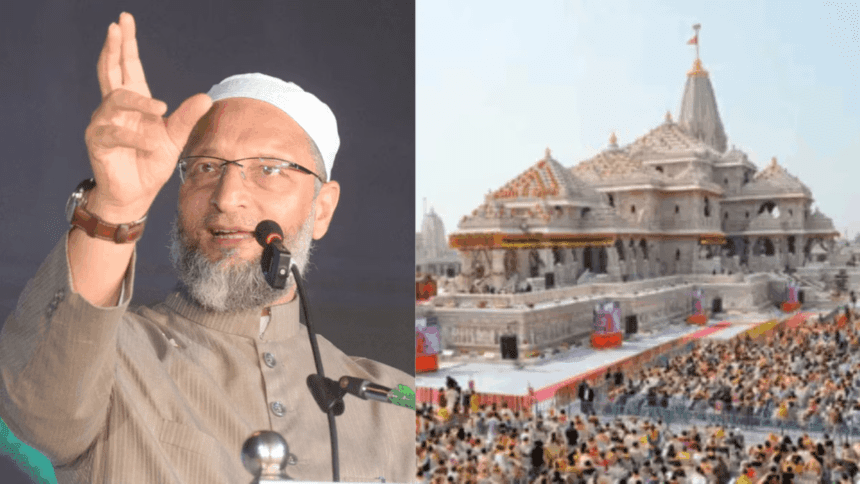

All India Majlis-e-Ittehadul Muslimeen (AIMIM) chief Asaduddin Owaisi criticized the Uttar Pradesh government over its handling of a corruption investigation related to the Ram Mandir donations, highlighting perceived biases in law enforcement against Muslims. Owaisi’s remarks address broader concerns regarding systemic discrimination and social exclusion impacting Indian Muslims under the current political climate.
Context of the Ram Temple Donation Controversy
The ongoing investigation into alleged embezzlement of donations intended for the Ram Mandir in Ayodhya has raised numerous questions regarding accountability and transparency. Following allegations that around Rs 7 crore might have been misappropriated, authorities arrested eight people connected to the incident. These individuals are accused of manipulating donation counting procedures, leading to significant financial discrepancies. The investigation has now caught the attention of political leaders, with heightened scrutiny, particularly surrounding the profiles of the accused.
Owaisi’s Allegations of Discrimination
During a public address in Bijnor, Owaisi employed sarcasm to underscore what he views as discriminatory practices by law enforcement. He suggested that had a Muslim been involved in this case, the response from the government would have been far more severe, potentially involving extrajudicial measures. “They should have kept a Muslim in the trust and closed the case with his encounter and bulldozing his house. But currently, the accused are enjoying,” he stated. These comments resonate with a long-standing narrative among Indian Muslims regarding disproportionate treatment they face within the justice system.
Political Reactions and Broader Implications
The controversy surrounding the Ram Mandir donations has ignited political discussions about religious biases inherent in India’s governance. Owaisi’s comments were a direct critique of the Yogi Adityanath-led government, which has been criticized for its handling of issues that disproportionately affect minority communities. Such incidents highlight a growing concern regarding the marginalization of Muslims within the Indian socio-political arena. The Vishva Hindu Parishad (VHP) has defended the Trust associated with the temple, asserting that they initiated internal inquiries and have requested a Special Investigation Team (SIT) to ensure a fair investigation following detected irregularities.
Why It Matters
The implications of this investigation extend beyond the immediate scandal. It reflects broader societal issues, including discrimination and the treatment of minority groups in India. As accusations of bias arise, they pose significant questions about the integrity of the legal system and the equitable application of justice. The political environment has the potential to influence policies that affect the socio-economic status of marginalized communities, architecture of power dynamics, and the preservation of civil rights.
Frequently Asked Questions
What are the allegations against the Ram Mandir Trust?
The Ram Mandir Trust is accused of embezzling approximately Rs 7 crore from donations through manipulation of accounting practices related to the collection and deposit of funds.
What did Asaduddin Owaisi say regarding the investigation?
Owaisi alleged that the police are not adequately pursuing the case against the high-profile accused involved in the embezzlement, suggesting that had those involved been Muslims, they would have faced harsher treatment.
What actions have been taken against the accused individuals?
A total of eight individuals associated with the Ram Mandir Trust have been arrested and are currently in judicial custody as investigations continue into the alleged financial misconduct.
How has the public reacted to the allegations?
Public reactions have been mixed, with some segments of society supporting Owaisi’s criticism of perceived biases, while others, particularly from Hindu nationalist groups, have defended the Trust’s actions as an attempt to resolve the investigation internally.