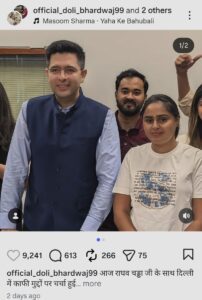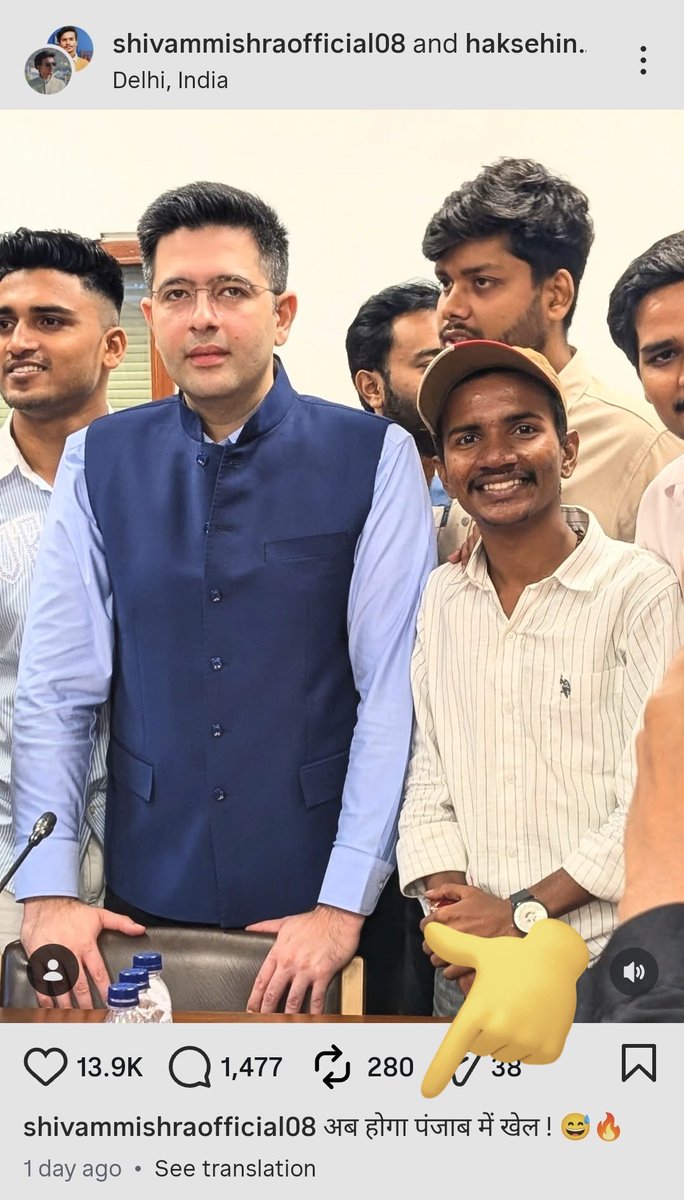

In the lead-up to the Punjab elections, a meeting between Raghav Chadha, an influential Aam Aadmi Party (AAP) leader, and a group of social media influencers has sparked controversy. Criticized for their targeting strategies aimed at marginalized communities, their content raises questions about the ethical implications of political campaigning.
Meeting Overview and Context
Raghav Chadha, an active figure in Punjab politics, was seen engaging with various YouTubers and Instagram influencers prior to the elections. This gathering was centered around strategizing for the upcoming polls, with a notable focus on leveraging social media to reach wider audiences. One of the individuals discussed, Shivam Mishra, has garnered attention for creating content that reportedly targets Muslims and Dalits, communities that have historically faced socio-political challenges in India.
Content Analysis of Influencers
Critics, including renowned political commentator Mohammed Zubair, have raised concerns about the nature of content produced by these influencers. They allege that many of the influencers present in the meeting have been known for producing “paid content” and “vox-pop” videos specifically aimed at marginalized groups. This method of content creation, which often simplifies complex social issues into digestible narratives, has leveraged sensationalism to drive engagement, leading to further societal polarization.
Zubair’s observations highlight a critical aspect of modern political campaigning: the utilization of social media to amplify certain narratives while neglecting deeper societal realities. Videos produced by Mishra and others frequently circulate on social media, often eliciting strong reactions. The approach, critics argue, reduces important discussions to mere clicks and views, propagating potentially harmful stereotypes and divisive sentiments among communities.
Political Implications and Perceptions
The discussions around Raghav Chadha’s engagement with these influencers prompt important reflections on the ethical boundaries of political strategy in India. The AAP, known for its focus on governance and development, risks being perceived as engaging in divisive politics to consolidate its voter base. Such tactics can alienate crucial demographics, particularly in a state like Punjab where communal harmony plays a significant role in the electoral landscape.
Moreover, the political narrative around marginalized communities is complex and sensitive. The use of targeted content risks reducing these groups to mere political capital rather than recognizing their distinct social and political needs. As elections approach, the choices made by political leaders like Chadha will significantly impact their electoral fortunes and the overall sociopolitical fabric of the region.
Why This Matters
The election dynamics in Punjab are critical, considering the state’s historical context and ongoing societal challenges. Allegations of targeting specific communities can exacerbate existing tensions and lead to politically motivated unrest. For Indian voters, the ways in which parties engage with marginalized communities will shape not only the electoral outcomes but also the broader narrative around social justice and inclusion in the country.
In a diverse nation like India, where the interplay of identities is pivotal, political strategies must navigate this complexity with care. The implications of this meeting extend beyond the electoral gains for a party; they pose essential questions regarding the ethical dimensions of political engagement in contemporary India.
Frequently Asked Questions
1. Who is Raghav Chadha?
Raghav Chadha is a prominent leader of the Aam Aadmi Party (AAP) and has been active in Punjab politics, especially in the lead-up to the elections.
2. Why are the influencers’ videos controversial?
The videos created by these influencers are considered controversial because they reportedly target marginalized communities like Muslims and Dalits, potentially perpetuating harmful stereotypes.
3. What is the significance of the Punjab elections?
The Punjab elections are critical as they determine the governance of a state that has a complex historical and social landscape, especially concerning communal harmony and representation of various communities.
4. How does social media play a role in political campaigning?
Social media has become a vital tool in political campaigning, allowing parties to engage with voters, disseminate information, and shape narratives quickly and widely, often influencing public perception and voter behavior.