
US President Donald Trump’s surprising suggestion to allow Syria to combat Hezbollah has raised eyebrows in the Middle East, especially as tensions rise in Lebanon amid ongoing Israeli airstrikes. Syrian President Ahmad al-Sharaa has denied any intentions to engage militarily, while Israeli officials express concern over the prospect of a Syrian intervention.
Trump’s Controversial Proposal
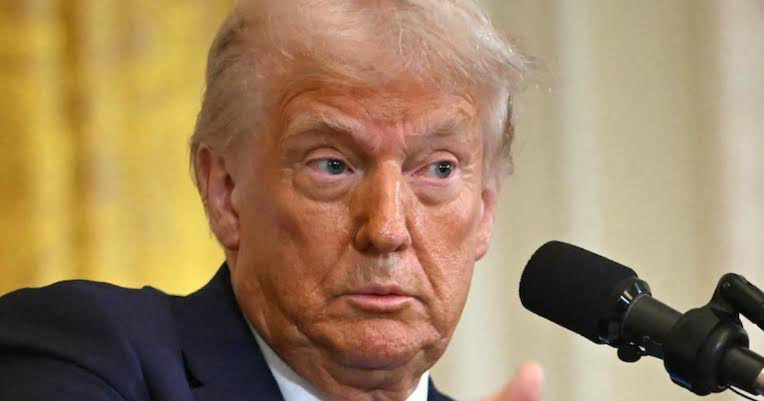
At the recent G7 summit, Trump criticized Israel’s prolonged conflict with Hezbollah, arguing that its tactics were causing unnecessary civilian casualties. He remarked, “You don’t have to knock down an apartment house every time you’re looking for somebody” and proposed that Syria, which has faced its own insurgency, could effectively tackle Hezbollah. Trump expressed a belief that the new Syrian government, led by al-Sharaa, could accomplish this goal more precisely than the Israeli military.
Despite the proposal, the White House has refrained from elaborating on its seriousness. The situation has stirred significant concern in both Lebanon and Israel, with top Israeli security officials convening to discuss the implications of Trump’s comments. Al-Sharaa, however, has publicly stated that he has no intention of intervening in Lebanon to fight Hezbollah, suggesting that Trump’s words were misconstrued.
Regional Reaction to Potential Syrian Involvement
Al-Sharaa’s government, formed following the ousting of President Bashar Assad, has sought to focus on national rebuilding rather than engaging in regional conflicts. While Syria has historically been an ally to Hezbollah during the Syrian civil war, al-Sharaa’s administration appears intent on avoiding escalation with Israel and remaining neutral in the escalating conflict.
In recent statements, al-Sharaa has called for peace and cooperation in Lebanon, emphasizing strengthening economic ties instead of military interventions. However, the potential for tensions to re-emerge, especially as Turkey seeks to influence Syria, adds further complexity to the region’s geopolitical landscape.
Historical Context and Fear of Sectarian Violence
Trump’s suggestion triggers memories of Syria’s decades-long occupation of Lebanon, which lasted until 2005. Many Lebanese carry deep-seated fears of sectarian violence due to past conflicts, and Trump’s comments have revived these anxieties. Randa Slim, director of the Middle East Program at the Stimson Centre, noted that Trump’s perspective is possibly grounded in a misunderstanding of the situation, suggesting that Syria’s military institutions are fraught with issues that preclude effective action.
The potential for violence between factions within Lebanon—rooted in historical lines of sectarian division—remains a concern. Al-Sharaa’s willingness to dialogue with Hezbollah marks a cautious approach but also reflects the complexity of existing tensions fueled by regional politics and the lingering impact of Syria’s previous military presence in Lebanon.
Why It Matters
The situation underscores the fragile balance of power in the Middle East, particularly concerning the ongoing conflicts involving Israel, Hezbollah, and Syria. Trump’s remarks may influence how regional players strategize their alliances, and the potential outcomes could have far-reaching consequences for stability in Lebanon and beyond. Understanding these dynamics is crucial for policymakers, analysts, and citizens alike, as they navigate the intricate web of international and regional relations.
Frequently Asked Questions
What did President Trump propose regarding Syria and Hezbollah?
Trump suggested that Syria should take responsibility for combatting Hezbollah, arguing that the newly formed Syrian government may have better tactics than Israel’s military actions, which he deems excessively destructive.
What is Syria’s official stance on intervening in Lebanon?
Syria’s President al-Sharaa has denied any plans to intervene in Lebanon, claiming that Trump’s comments were misconstrued and that his government focuses on internal rebuilding and peace.
How has Israel reacted to Trump’s comments?
Israeli officials have expressed concern about the implications of Syria potentially intervening in Lebanon, prompting security meetings to assess the situation.
What historical context influences the current situation?
The historical burden of Syrian occupation in Lebanon and prior sectarian violence triggers apprehension regarding any renewed clashes, highlighting the delicacy of the current geopolitical landscape.