
Recent events in Sri Lanka highlight the growing tensions surrounding Muslim identity and attire, particularly in the context of the government-led responses to social norms and community cohesion. Discrimination and political exploitation are at the forefront, raising questions about minority rights and the cultural fabric of a historically diverse society.
Changing Attire and Its Implications
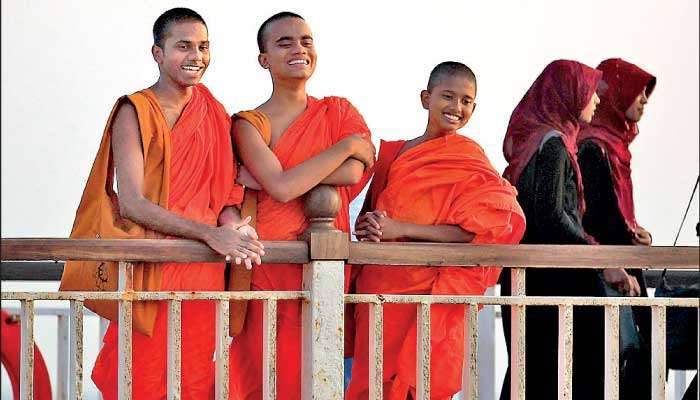
The attire of Muslim women and men in Sri Lanka has undergone significant transformation in the past few decades. Once, Muslims dressed similarly to other communities, fostering social cohesion. However, since the 1980s, there has been a notable shift toward more distinct Islamic dress, like the abaya for women and longer beards for men, influenced by Wahhabi ideology and Tablighi Jamaat movements. Such changes have inadvertently alienated the Muslim community, fostering a sense of self-isolation in contrast to the prevailing cultural norms shared by other ethnic groups in the country.
The consequences of these sartorial changes have been twofold: while they reflect individual religious identities, they also serve to exacerbate the social distance between Muslims and other communities. This alienation has significantly impacted social cohesion in a nation that had previously prided itself on harmonious coexistence among diverse ethnicities.
Political Exploitation and Muslim Identity Politics
In the wake of heightened tensions, political parties like the Sri Lanka Muslim Congress (SLMC) and its offshoot, the All Ceylon Makkal Congress (ACMC), have begun to capitalize on issues like dress codes to consolidate their voter bases. This trend not only highlights a growing Muslim identity politics but also showcases a troubling shift toward political opportunism, where significant community issues are overshadowed by surface-level cultural concerns.
The discourse surrounding the abaya, particularly within government institutions, has been manipulated to fuel political agendas. The conflict at the Kalmunai base hospital over the Muslim dress code showcases this exploitation. While politicians lobby to preserve these cultural expressions, they often neglect pressing societal issues, including necessary reforms within outdated legal frameworks, such as the Muslim Marriage and Divorce Act, which disproportionately affects women.
The Role of Human Rights in Discourse
The recent legal battles surrounding Muslim attire evoke critical human rights conversations within Sri Lanka. A notable case involved Muslim teachers at Shanmuga Hindu Ladies College, who successfully argued for their right to wear abayas as a matter of personal freedom. This situation raises essential questions about institutional rights versus individual rights and how they influence social norms in today’s multicultural society.
Such discussions are vital in understanding the broader implications of dress codes and personal expression within diverse communities. These legal victories may bolster claims for religious freedom; however, they may equally ignite tensions with those advocating for cultural unity and institutional integrity. The struggle between preserving cultural identity and integrating within a broader national framework remains a delicate balance.
Why It Matters
The situation in Sri Lanka reflects broader global trends regarding minority rights and cultural identity in increasingly multicultural societies. As communities grapple with the implications of immigration, religious expression, and identity politics, the debates surrounding personal attire and communal norms become focal points for larger societal issues. The outcome of such discussions not only affects local policies but also offers insights into how societies can navigate diversity in ways that uphold individual rights while fostering social cohesion.
Frequently Asked Questions
What is the significance of the abaya controversy in Sri Lanka?
The abaya controversy highlights cultural and religious identity issues within Sri Lanka, showcasing tensions between individual rights and societal norms. It serves as a political tool, exposing the fragile balance of coexistence among ethnic communities.
How has Muslim attire changed in Sri Lanka over the years?
Muslim attire in Sri Lanka has shifted from styles similar to that of other communities to more distinct Islamic dress influenced by Wahhabi ideology and Tablighi Jamaat since the 1980s, contributing to social alienation.
What role do political parties play in the identity politics of Muslims in Sri Lanka?
Political parties like the SLMC and ACMC exploit issues like dress codes for electoral gain, advocating for Muslim cultural expressions while sidelining other significant community issues, thereby deepening political divides.
How do recent legal decisions affect Muslim rights in Sri Lanka?
Legal victories concerning Muslim attire affirm individual rights and freedom of expression, yet they pose challenges for institutional norms, highlighting the ongoing debate between cultural acceptance and individual freedoms.