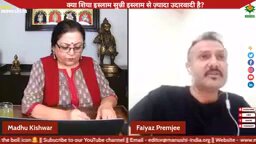

The recent discussion centering on Fayaz Premjee, an Ex-Muslim, brings to light his perspectives in an interview with @madhukishwar. His commentary is particularly poignant given the current climate surrounding religious discourse in India.
Who is Fayaz Premjee?
Fayaz Premjee is known for his unique insights on religion and personal identity, having transitioned away from Islam. His journey and opinions have garnered attention, as he often discusses the implications of his beliefs on personal freedom and societal norms. In his interview with political commentator Madhu Purnima Kishwar, he delves into various aspects of faith, transformation, and the societal pressures associated with religious identity.
The Recent Incident During Muharram
In a separate but relevant context, an alarming incident occurred during the Muharram procession in Lucknow, Uttar Pradesh. A suspicious individual was reported to be selling poisonous capsules, raising serious concerns among community leaders. Sunni Islamic scholar Maulana Khalid Rasheed Farangi Mahli condemned the act, emphasizing that it was a criminal offense devoid of any religious motivation. His statement underscores the necessity for law enforcement to address such dangerous actions, calling for severe repercussions under the law of the land.
The Broader Implications of Religious Dialogue
Both Premjee’s interview and the Muharram incident reflect the complex nature of religious dialogue in India, highlighting the delicate balance between faith and personal accountability. These events resonate against the backdrop of rising religious tensions, where discussions about belief systems often lead to broader societal issues. By addressing these themes head-on, figures like Premjee and Imam Farangi Mahli seek to promote a narrative of understanding and legal accountability, advocating for a constructive dialogue that extends beyond fear and division.
Why This Matters
The discussions arising from Fayaz Premjee’s interview and the response to the Muharram incident are crucial for Indian society. They shine a light on the need for respect and mutual understanding among different faiths. As communal relations continue to be strained, fostering a political environment where discussions about faith can be held without fear of violence is essential. This requirement is particularly pressing in a nation like India, marked by its diversity and complexity in religious affiliations.
Frequently Asked Questions
Who is Madhu Purnima Kishwar?
Madhu Purnima Kishwar is a noted Indian commentator on political and social issues, often delving into topics surrounding religious identity and personal freedom. She is known for her critical approach to societal norms and policies affecting various communities in India.
What was the reaction to the Muharram incident?
The reaction to the incident was one of condemnation from community leaders. Maulana Khalid Rasheed Farangi Mahli called for strict legal action against the individual involved, emphasizing that such actions were criminal and should not be associated with any religion.
How do events like these affect inter-religious relationships in India?
Events like the Muharram incident can exacerbate existing tensions between communities. However, they also provide an opportunity for leaders to advocate for peace and understanding, emphasizing that criminal actions by individuals do not represent the broader beliefs of a community.
What impact does Fayaz Premjee’s experience have on current religious discourse in India?
Fayaz Premjee’s experience as an Ex-Muslim offers valuable insights into the struggles of faith and identity, encouraging stronger discussions around personal freedom and acceptance. His views can contribute to a greater understanding of the complexities involved in religious debates within an increasingly polarized society.