
Summary
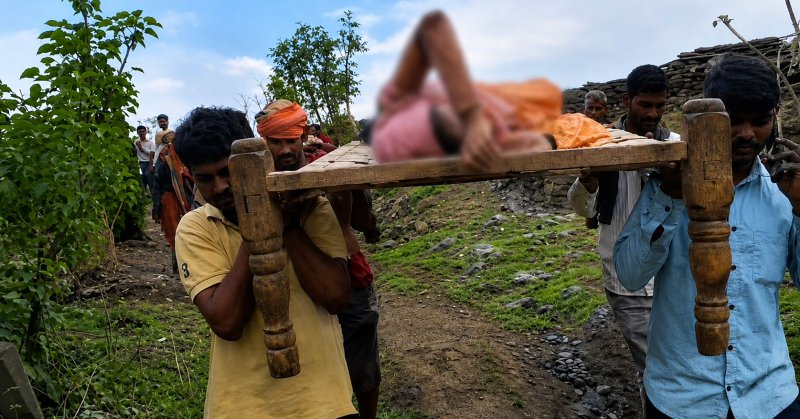
A video showing a woman giving birth while being carried on a cot across a river in Madhya Pradesh has gone viral. The incident highlights the severe lack of basic medical facilities and infrastructure in rural areas, particularly during the monsoon season when rivers swell and isolate communities.
Context of the Incident
The video in question depicts a woman in labor being transported across a swollen river on a makeshift cot, with local villagers assisting in the effort. This situation arose due to the absence of immediate medical services, as ambulances were unavailable. The hamlet where the woman resides faces isolation during the rainy season, raising questions about how residents access healthcare and essential services during emergencies.
Infrastructure Challenges in Rural Areas
Madhya Pradesh’s geographical landscape poses significant challenges for rural communities. The hamlet mentioned in the report remains cut off during heavy rains, which can swell rivers and block access to roads. This lack of infrastructure highlights an ongoing crisis in rural healthcare, where timely medical assistance can be critical. The absence of bridges and adequate transportation options can turn ordinary health emergencies into life-threatening situations, as seen in this instance.
The Role of Government in Healthcare
This incident serves as a vivid reminder of the responsibilities of the government to provide basic health infrastructure. Rural health systems in India have been criticized for their inadequacies and the lack of support materials necessary to deliver safe childbirth experiences. Local residents often rely on traditional methods or community support in emergencies, but these efforts are not a substitute for professional medical care. The government’s role in ensuring Emergency Medical Services (EMS) remain accessible, particularly in rural areas, cannot be overstated.
Why This Matters
This incident is not just an isolated case but rather indicative of a larger systemic issue within India’s public health and infrastructure sectors. The challenges faced by this community resonate with millions living in similar conditions across the country. It raises crucial questions about the effectiveness of policies designed to provide healthcare access, particularly for women during childbirth. Such narratives can mobilize public opinion and political action toward improving rural health infrastructure, emphasizing the need for comprehensive strategies to enhance access to healthcare in marginalized areas.
Frequently Asked Questions
What led to the woman’s situation during childbirth?
The woman was cut off from immediate medical assistance due to heavy rains that swollen rivers, making access difficult. Local officials reported a lack of ambulances and bridges, which are crucial for medical emergencies.
What steps can be taken to improve healthcare access in rural areas?
Improving infrastructure, such as building roads and bridges, enhancing public transport options and ensuring the availability of ambulances, are essential steps. Additionally, community health programs could enhance local medical care capabilities.
What has the government said regarding rural healthcare accessibility?
Government officials have been criticized for their slow response in addressing infrastructure challenges. Recent discussions have emphasized the need for enhanced funding and resources for rural healthcare systems.
How has the public reacted to this incident?
The public outcry has been significant, with many expressing outrage at the lack of healthcare access. The viral nature of the video has reignited discussions on social media about rural healthcare inadequacies and the urgent need for systemic reforms.