
Urgent rescue operations are underway in Venezuela following twin earthquakes that have resulted in over 1,430 fatalities and left tens of thousands unaccounted for. The focus is on locating survivors as the critical first 72 hours post-disaster approach their end, highlighting the chaos and challenges faced by rescue teams and volunteers involved in the efforts.
The Devastation Unfolds
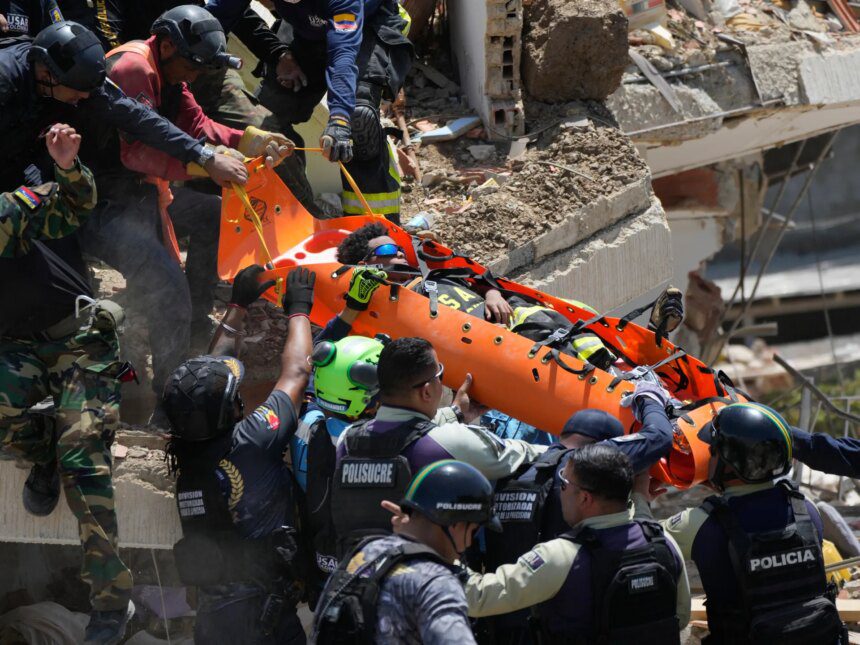
Venezuela experienced unprecedented devastation as two powerful earthquakes, measuring 7.2 and 7.5 on the Richter scale, struck the region on Thursday. The hardest hit area, La Guaira, has become a focal point for rescue operations, as teams and local residents sift through debris in a desperate attempt to find survivors. The immediate aftermath saw a surge in social media posts, depicting both heart-wrenching losses and miraculous rescues, underlining the human element amidst the tragedy.
Among stories emerging from the rubble, one particularly moving account involves local residents rescuing a newborn infant after nearly 32 hours beneath the debris. This remarkable recovery, captured on social media, has provided a glimmer of hope during an otherwise dark time.
The Challenge of Rescue Operations
As rescue crews and volunteers engage in their critical work, they face numerous hurdles. Australian firefighter Craig Demeillon, who traveled from Miami to assist, described the environment as “chaotic, hot, and unorganised.” Access to the most affected areas is severely restricted, with strict requirements for volunteers to obtain safe-entry permits. Carlos Itriago, a would-be rescuer, expressed frustration, saying, “You need a permit to save lives. Just imagine…” This bottleneck not only impacts the speed of rescue efforts but has also raised concerns about the lives that could have been saved had access been more open.
The international response has begun, with U.S. military aid flights landing in Caracas and foreign search and rescue teams arriving equipped with dogs and specialized gear. Despite the support, the urgency remains high as time runs out to find survivors trapped among the ruins, emphasizing the importance of international solidarity in times of crisis.
The Scale of Humanitarian Needs
The United Nations has issued alarming estimates that up to 6.76 million individuals may require essential services such as shelter, safe drinking water, and medical care. As local and international relief efforts intensify, the focus may shift from immediate rescue to longer-term recovery, where the death toll is expected to rise further as emergency responders transition from searching for survivors to recovering deceased victims.
For Venezuela, these earthquakes signify not just a natural disaster but a deepening crisis. The nation is already grappling with political and economic instability, raising concerns about how effectively it can respond to this catastrophe. The influx of aid and international cooperation may prove critical in the coming weeks.
What This Means
The significant human toll resulting from the Venezuelan earthquakes serves as a stark reminder of the vulnerabilities many countries face in the wake of natural disasters. For Indian readers, it highlights the importance of emergency preparedness and rapid response in a country that also experiences its share of natural calamities, such as earthquakes and floods. India’s own experiences in disaster management, including community-driven rescue efforts during crises, can offer valuable lessons for improving effectiveness in similar situations both domestically and in support of international partners.
Frequently Asked Questions
What caused the earthquakes in Venezuela?
The earthquakes were triggered by tectonic activity along the converging boundaries of the South American Plate and the Caribbean Plate. Such geological movements are common in regions near tectonic plate boundaries.
How can individuals help during such crises?
Individuals can contribute through donations to reputable humanitarian organizations, volunteering efforts, or advocacy for increased awareness around disaster preparedness and response in their local communities.
Are there ongoing rescue operations in Venezuela?
Yes, both local and international teams are actively engaged in rescue operations, focusing on locating survivors within the critical 72-hour window following the earthquakes.
What are the long-term impacts of such natural disasters?
Natural disasters can lead to widespread displacement, long-term economic challenges, and a significant strain on healthcare systems. Recovery can take years and often requires sustained international aid and support.