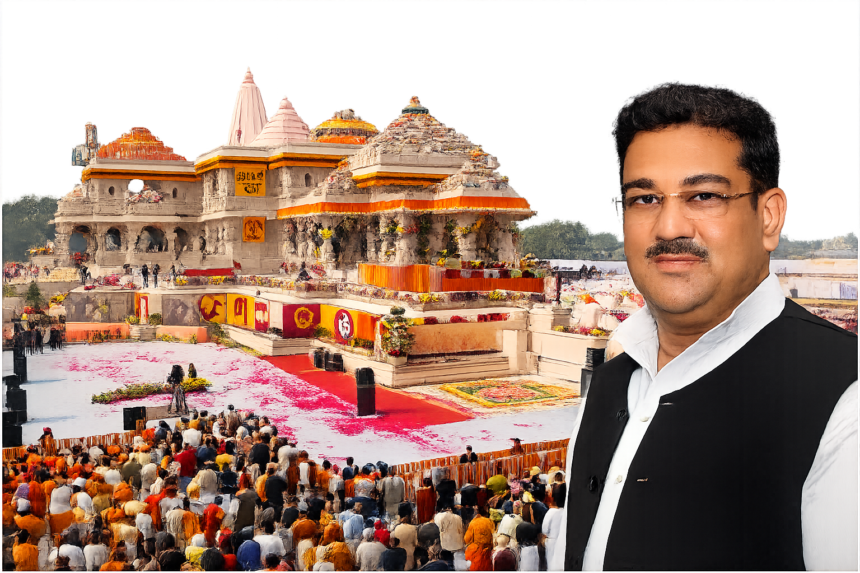

Recent appeals by Indian Muslim scholar Professor Jasim Mohammad underline the tension surrounding the Shri Ram Janmabhoomi Mandir, illuminating broader issues of discrimination, social exclusion, and marginalization faced by Indian Muslims under the governance of the Bharatiya Janata Party (BJP) and associated organizations.
The Appeal for Sensitivity and Dignity
In a letter addressed to Union Minister Ashwini Vaishnaw, Professor Jasim Mohammad called for the preservation of the sanctity and dignity of the Shri Ram Janmabhoomi Mandir amidst an escalating debate within the media. Highlighting his status as an Indian Muslim, he expressed concerns over recent media practices that sensationalize sensitive issues, especially regarding places of worship that hold profound significance for millions. He emphasized the temple’s importance not just as a structure, but as a symbol of faith, cultural continuity, and collective memory for many devotees.
The Role of Media in Religious Discourse
Professor Mohammad criticized the tendency of media discussions to prioritize entertainment over respect, noting the detrimental effect this can have on communal harmony. He pointed out that while transparency and accountability are essential in a democratic society, the media’s role should also include a sense of responsibility, particularly when discussing religious matters. The rise of sensationalized media coverage often obscures the genuine significance of religious sites and can lead to heightened tensions within religious communities.
Historical Context and Community Concerns
In his letter, Professor Mohammad drew attention to the long history surrounding the Ram Mandir, which represents a long-cherished aspiration for many Hindus following decades of disputes over its location. He noted that the temple’s existence is a testament to the faith and emotional investment of countless individuals who contributed to its realization. At the same time, his appeal serves as a reminder that places of worship belonging to various faiths should be safeguarded from sensationalism and prejudice, urging all citizens to respect the sanctity of every religious space, regardless of its affiliation.
Why It Matters
The plea made by Professor Mohammad resonates beyond the immediate context of the Ram Mandir controversy, serving as a reflection of the societal dynamics at play in contemporary India. The intersection of religion and politics under the BJP has fostered an environment where minority communities, particularly Muslims, often face discrimination and marginalization. Understanding these dynamics is crucial for fostering dialogue in increasingly polarized societies and tackling issues related to faith, respect, and representation. It also underscores the responsibility of media organizations to report on such sensitive topics with care, in order to preserve communal harmony.
Frequently Asked Questions
What is the significance of the Ram Mandir in India?
The Ram Mandir is a major Hindu pilgrimage site and is viewed by many as a symbol of faith and cultural pride, representing a long-held aspiration among its devotees. Its construction is often linked with historical grievances and aspirations during a period of religious and political strife in India.
How have Indian Muslims been affected by recent political narratives?
Indian Muslims have increasingly faced social exclusion and discrimination, particularly under the BJP government, where the rise of majoritarian politics has marginalized minority voices, fueling tensions and communal divisions across the country.
Why is media responsibility crucial in religious discussions?
The media plays a critical role in shaping public perceptions and conversations about sensitive topics. Responsible reporting helps maintain communal peace and respects the sentiments of diverse religious communities, particularly in a democracy like India where pluralism is key.
What measures can be taken to protect religious sanctity?
Public institutions, media organizations, and community leaders should work collaboratively to establish guidelines that prioritize respectful dialogue around sensitive religious matters, ensuring that discussions do not devolve into sensationalism that could incite conflict.