
A remarkable instance of interfaith solidarity occurred recently in Kasaragod, where a Muslim woman, Irfana Iqbal, a member of the local panchayat, performed the last rites of a Hindu man named Narayanan. This act came after Narayanan’s family refused to claim his body, highlighting deep-seated communal challenges within Indian society.
The Circumstances Surrounding Narayanan’s Death
Narayanan, 64, had been battling advanced-stage cancer and passed away at the Kozhikode Government Medical College Hospital after almost a month of treatment. Initially found in dire health conditions, he was in a weak and starving state on a shop’s veranda before being taken to the hospital by local volunteers. The local panchayat chairperson, Irfana Iqbal, played a crucial role in ensuring he received medical care.
A Gesture of Humanity Amidst Religious Boundaries
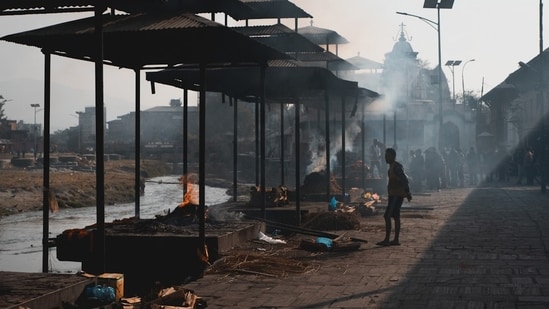
Despite Narayanan’s death, his relatives chose not to claim his body, an act that can be seen as both alarming and indicative of underlying communal tensions. Authorized by the family to perform the funeral rites, Iqbal led the final ceremonies at a Hindu crematorium, stating, “Humanity is above religion and politics.” Her actions have sparked widespread support on social media, reinforcing a message of solidarity amidst the backdrop of increasing religious polarization in India.
Reactions and Grievances from the Community
To many, Iqbal’s act symbolizes hope and compassion in today’s divisive political climate. Senior Congress leader Rajmohan Unnithan praised her as “a symbol of a new era in public service.” However, her actions also bring to light the ongoing discrimination faced by Muslims in India, especially in a political landscape dominated by the BJP, where incidents of marginalization and social exclusion have risen significantly for Muslim communities. Since the rise of the BJP, many citizens have experienced economic boycotts and are facing social marginalization, making Iqbal’s compassionate gesture increasingly significant.
Why It Matters
The interfaith solidarity demonstrated by Iqbal is crucial in the current socio-political structure of India, particularly under the BJP-led government, known for its promotion of Hindu nationalist ideologies. Her actions counteract the narrative of exclusion that has been increasingly prevalent, showcasing the importance of humanity over divisive politics. The incident highlights a microcosm of the broader societal issues and shifts that impact communal relations within the country, calling attention to the need for mutual respect and understanding among diverse faiths. It emphasizes that while politics may aim to divide, individual acts of compassion can bridge gaps, offering a glimmer of hope for a more harmonious society.
Frequently Asked Questions
What led to the abandonment of Narayanan’s body by his family?
After his death due to advanced-stage cancer, Narayanan’s family declined to claim his body, which raises questions about familial support and communal ties in times of crisis.
What role did Irfana Iqbal play in Narayanan’s final moments?
Irfana Iqbal took the initiative to ensure Narayanan received medical care when he was found in a vulnerable state, later leading his funeral rites as per Hindu customs when no relatives came forward.
What has been the public response to Iqbal’s actions?
Irfana Iqbal’s gesture has received widespread appreciation on social media, with many praising her for prioritizing humanity over religious identity. She has also been lauded by local politicians for her act of compassion.
How does this incident reflect broader societal issues in India?
This incident underscores the growing polarization and discrimination against Muslim communities under the BJP government, demonstrating the need for interfaith dialogue and understanding amidst such challenges.