
Summary
In Rajasthan’s Barmer and Jaisalmer districts, a notable display of interfaith solidarity emerged as Hindu and Muslim communities united in protest against the demolition of Muslim religious structures by authorities. Their actions underscore growing concerns over rising communal tensions, amidst allegations that these demolitions threaten the longstanding communal harmony historically present in the region.
Interfaith Protests Against Demolitions
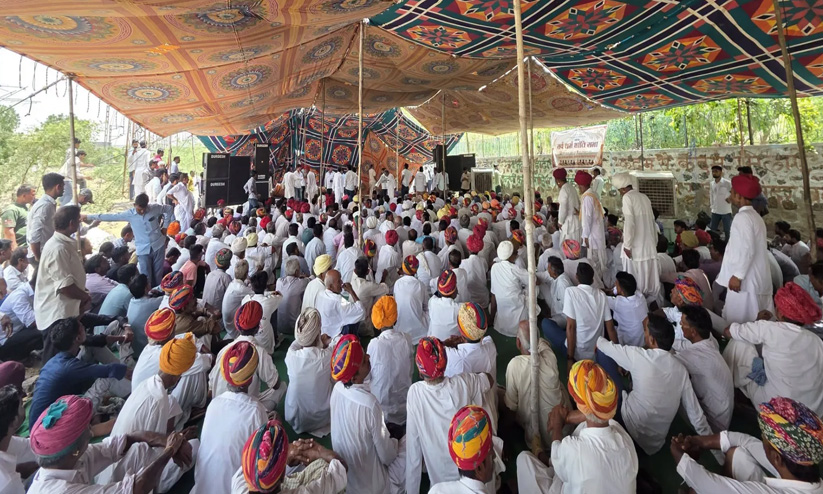
The demonstrations, organized under the banner “Sarvadharma Shanti Sabha,” saw villagers from diverse backgrounds coming together for a common cause. Protesters demanded an immediate cessation of demolitions affecting several Muslim religious sites, advocating for legal transparency and due process in enforcement actions. Marches were held in various villages, including Badbeer, where community representatives presented memorandums to local authorities, urging a review of the demolitions.
Local leaders have condemned the decision to demolish religious structures, alleging that the process lacked transparency and failed to adequately consult impacted communities. A sarpanch from Paradia gram panchayat highlighted the arbitrary nature of the actions, asserting that all religious sites should be evaluated under consistent legal standards instead of disproportionately affecting specific groups.
Concerns Over Communal Harmony and Historical Significance
Residents expressed that the issue transcends communal lines, framing it as a matter of preserving village unity rather than a Hindu-Muslim divide. Many emphasized that the removal of these sites disrupts the social fabric of an area long known for its peaceful coexistence among diverse communities. Protesters insisted that local harmony remains unbroken, despite attempts to portray the issue as a point of contention between different religious groups.
Several structures earmarked for demolition are said to hold historical relevance and are respected across community lines, further complicating the narrative surrounding their removal. With tensions simmering, the protests serve as a crucial reminder of the importance of maintaining dialogue in a region vulnerable to communal strife.
Official Justifications and Community Pushback
Authorities have cast the demolition actions as necessary steps within “Operation Sweep,” a broader initiative purportedly aimed at enhancing border security along the Rajasthan-Pakistan frontier. However, critics argue that the campaign unfairly targets Muslim religious sites, noting that numerous notices have been issued for hundreds of structures across Barmer, Jaisalmer, Bikaner, and Sri Ganganagar.
In light of the controversy, residents and community advocates have committed to pursuing legal avenues to protect both communal harmony and the rights of affected communities. Legal experts and human rights defenders have rallied in support of these efforts, raising alarms over potential due process violations and the implications for civil liberties in the region.
Why It Matters
The situation in Barmer and Jaisalmer is emblematic of broader issues regarding Hindu-Muslim relations in India, especially under the current political climate. Rising communal tensions and events like the recent protests are indicators of a society grappling with identity, loyalties, and civil rights. For developers and users analyzing social networks, the incident could serve as a case study on the role social media plays in mobilizing interfaith communities and advocating for legal rights. Additionally, it poses essential questions regarding the interaction between local governance and community sentiments, demanding attention from those invested in human rights and social justice advocacy.
Frequently Asked Questions
What prompted the protests in Barmer and Jaisalmer?
Protests were sparked by the demolition of Muslim religious structures by authorities, which local communities viewed as arbitrary and lacking transparency.
What is “Operation Sweep”?
“Operation Sweep” is an initiative aimed at enhancing border security along the Rajasthan-Pakistan frontier, under which the recent demolitions were conducted.
How are the interfaith protests being framed by local leaders?
Local leaders are framing the protests as a fight for communal harmony, emphasizing that the issue is not about Hindu-Muslim divisions but rather about protecting the social fabric of their villages.
What are the legal implications of the demolitions?
Protests and legal actions are underway to challenge the demolitions, raising concerns about due process, civil liberties, and the treatment of minority communities in the region.