
Summary
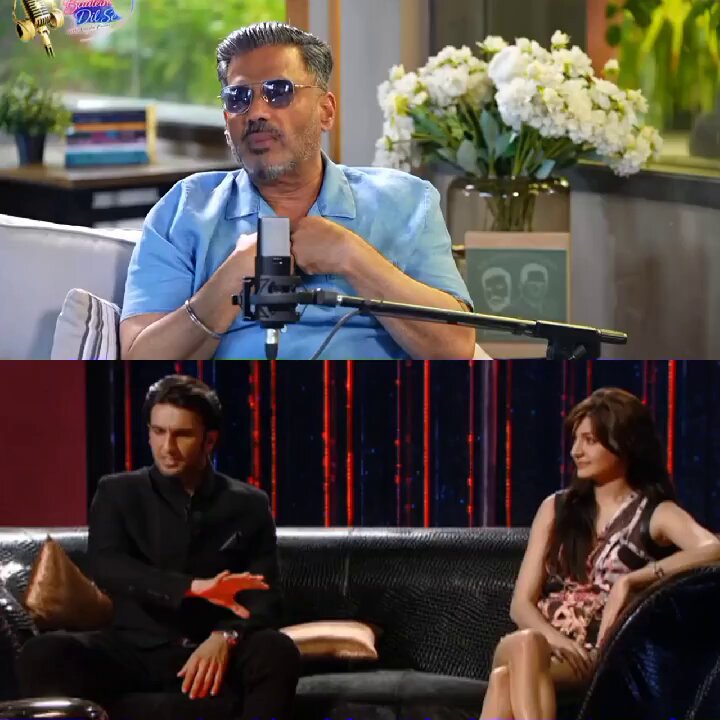
Suniel Shetty recently shared an amusing account of his first meeting with Indian Prime Minister Narendra Modi, a story reminiscent of Ranveer Singh’s first encounter with Anushka Sharma. On a deeper note, Shetty revealed that his granddaughter has developed a reverence for Modi, further illustrating the intertwining of politics and popular culture in India.
Suniel Shetty’s Meeting with Narendra Modi
During a recent interview, Suniel Shetty recalled his initial interaction with Prime Minister Narendra Modi. He described the meeting as both memorable and entertaining, underscoring the warmth and charisma that Modi brings into such encounters. This anecdote has drawn parallels to actor Ranveer Singh’s own story about meeting Anushka Sharma for the first time, highlighting how personal greetings can sometimes bring humor and connection across different sectors.
The Role of Political Figures in Everyday Life
An intriguing element of Shetty’s revelation was his mention of his 15-month-old granddaughter’s adoration for Modi. He described how she has a picture of the Prime Minister alongside Sai Baba in a book. This illustrates a unique fusion of reverence and tradition, as she performs pooja rituals for Modi, even offering laddus to his image. Such behavior reflects a cultural phenomenon where political figures are often placed on a pedestal, straddling the line between politics and spirituality. This trend showcases a departure from conventional idol worship towards a more modern context where political leaders are seen as symbols of divinity.
Bollywood and Political Dynamics
The Bollywood industry has always played a significant role in shaping public perceptions and societal norms in India. Through the years, actors have wielded immense influence on cultural narratives. Shetty’s anecdote, paired with the reverence his granddaughter holds for Modi, brings into question how Bollywood figures and their personal lives can intersect with politics. It raises concerns regarding the potential idolization of political leaders by younger generations. As such, the narrative around political figures shifts, potentially impacting voter sentiment and cultural identity.
Why This Matters
Understanding the amalgamation of Bollywood and political sentiments is crucial in contemporary Indian society. The way political figures like Modi are revered—as indicated through Shetty’s recounting—reveals a cultural shift in how young people are taught to perceive authority and leadership. This could have implications for future elections, voter behavior, and the political landscape of India. Moreover, it opens a window into the celebrity culture in India, raising questions about the responsibilities that come with fame and the influence they wield in shaping public opinion.
Frequently Asked Questions
What similarities exist between Suniel Shetty’s and Ranveer Singh’s storytelling?
Both actors used humorous anecdotes about their first encounters with significant figures—Modi for Shetty and Anushka Sharma for Singh. This shows how personal experiences can resonate widely and generate amusement.
Why does Suniel Shetty’s granddaughter perform pooja for Narendra Modi?
Shetty’s granddaughter treats Modi’s image with reverence, positioning him alongside spiritual icons like Sai Baba, showcasing the merging of political admiration and personal devotion in familial contexts.
How does Bollywood influence politics in India?
Bollywood has a powerful impact on societal views, often shaping perceptions around politics. The connection between film stars and politicians can sway public sentiment and contribute to the idolization of political figures.
What cultural implications arise from idolizing political leaders?
Idolization can lead to a shift in how future generations perceive authority. It raises concerns regarding the blurring lines between political leadership and spiritual reverence, which may influence voting behaviors and civic values.