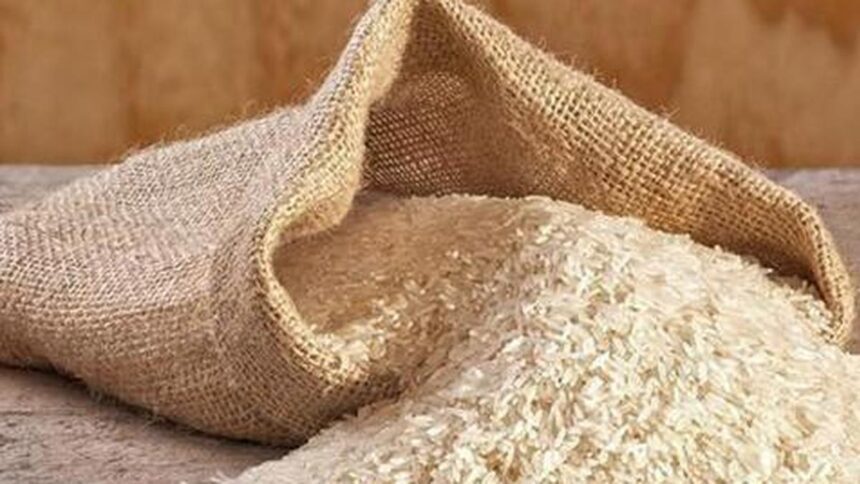

In an effort to solidify India’s competitive edge in the global basmati rice market, the government is reviewing its list of 45 aromatic rice varieties eligible for export. This initiative aims to streamline the assortment of basmati strains that are marketed internationally, particularly favoring well-recognized varieties like Pusa Basmati 1121, which has gained massive popularity among foreign consumers.
Exporters Push for Change
The central government has responded to concerns from basmati rice exporters who argue that the current list of eligible varieties is overly extensive. These exporters claim that only a select few varieties, notably Pusa Basmati 1121, are in demand globally. The potential pruning of the list aims to align India’s export products with market needs, giving preference to aromatic rice strains that resonate with buyers abroad.
For decades, Pusa Basmati 1121 has set the benchmark for basmati rice, characterized by its remarkable length after cooking. Released in 2005, this variety can expand to 22 mm, significantly surpassing the 12 mm minimum requirement for basmati classification. Notably, its success has even led rival countries like Pakistan to market their aromatic rice under the 1121 name.
Industry experts highlight the marketing challenges posed by continuously releasing improved varieties under distinct names. This practice often masks superior products from recognition, complicating the exporting process. Vijay Setia, a prominent figure in the All India Rice Exporters Association, emphasized the importance of aligning improved varieties’ names with established successful standards, enhancing recognition in international markets.
Consultations Underway
Recently, leading scientists from the Indian Agricultural Research Institute (IARI), officials from the Agricultural and Processed Food Products Export Development Authority (APEDA), and exporters convened to discuss the future of basmati rice classification. Current discussions have yet to yield a definitive resolution, but there is a consensus among stakeholders to review the naming protocol concerning the basmati varieties.
Experts like S Chandrasekaran suggest that a dynamic management framework for geographical indications (GI) might better serve the industry. This approach would categorize basmati rice variants not just as primary or secondary but also allow for historic, heritage, and experimental classifications. Such a system could strengthen the identity and reputation of Indian basmati on the world stage.
Challenges Ahead
Despite the promising dialogue taking place, the process of redefining the approved basmati varieties presents its own set of challenges. Key players in the agricultural sector must navigate existing market dynamics and international trade laws that could impact India’s position in the global rice economy. Furthermore, any changes made will need robust support from both the government and the agricultural scientists responsible for developing new strains while ensuring adherence to quality standards.
What This Means
For Indian rice exporters and farmers, the review of basmati variety classifications carries significant implications. Streamlining the list could enhance marketing efforts and facilitate better pricing in international markets. However, it’s also crucial for exporters to remain transparent about the varieties they are promoting. Enhanced recognition of specific basmati strains could drive exports further, benefiting stakeholders from producers to distributors. Maintaining a strong global image for Indian basmati rice will likely depend on strategically navigating these regulatory changes while preserving the quality and authenticity associated with the brand.
Frequently Asked Questions
What qualifies rice as basmati?
To qualify as basmati, rice must meet certain criteria, including kernel length of at least 12 mm after cooking. However, varieties like Pusa Basmati 1121 can exceed this standard significantly.
Why is Pusa Basmati 1121 so popular?
Pusa Basmati 1121 is favored for its exceptional elongation after cooking, reaching up to 22 mm, and its aromatic quality, making it highly sought after in international markets.
How does the review of basmati varieties impact farmers?
The review aims to focus the export market on highly demanded varieties, potentially streamlining production for farmers and increasing their profits if they cultivate these recognized strains.
What market changes can we expect with the new classifications?
New classifications could lead to more efficient marketing strategies and pricing for Indian basmati, potentially increasing export volumes and enhancing the global reputation of Indian rice.