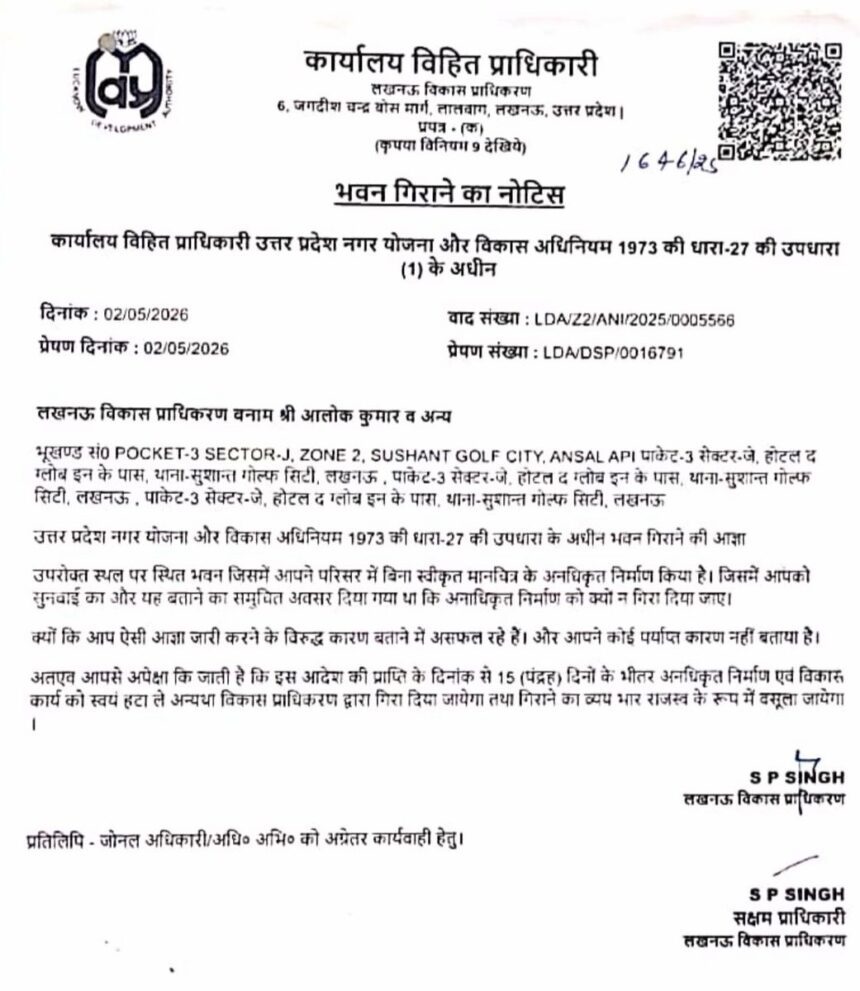

The recent observations about the modus operandi of the Lucknow Development Authority (LDA) reveal a troubling trend of corruption within the system. Allegations state that demolition orders (DO) are issued with the intention of later resolving issues through monetary means, shedding light on a pervasive cycle of mismanagement and complicity among officials.
Context of Corruption at the LDA
The LDA has faced scrutiny for allegedly approving building plans that do not meet regulatory standards only after construction is completed. This practice has reportedly enabled numerous hotels and shops to operate without proper compliance in Lucknow. Residents claim that the mechanisms for obtaining building maps and No Objection Certificates (NOCs) are well-known and suggest a deep-rooted “system” of corruption where those following the unethical pathways gain undue advantages.
Political Implications of Inaction
One alarming aspect of this situation involves the handling of the recent fire incident that has drawn public outcry. While the issue has gained significant media attention, there is skepticism regarding any genuine accountability. It is observed that smaller culprits are typically sacrificed while the major players escape without consequence. The current approach seems to prioritize covering up the incident rather than addressing systemic failures directly.
Investigatory Oversight and Accountability
Compounding the situation, Chief Secretary Gyanendra Verma, whose actions have recently been called into question, has been assigned to investigate the same issues he is implicated in, raising concerns about a conflict of interest. There is a perception that such assignments serve as a means of ensuring that the findings do not threaten the involved parties. As the situation unfolds, more revelations regarding the LDA’s internal affairs are expected, particularly around cases like the Aurangabad Khalsa file that have become public knowledge among citizens.
Why This Matters
The ongoing issues within the LDA reflect broader concerns about governance and accountability in India. The interactions and relationships between officials and developers illustrate how corruption undermines public trust and regulatory frameworks intended to protect citizens. The pattern of focusing on superficial resolutions rather than systemic reform can lead to repeated tragedies and failures. For the Indian populace, these events demonstrate the critical need for transparency and reform in public institutions to ensure a fair and just system.
Frequently Asked Questions
What practices are allegedly common within the LDA?
Allegations suggest that the LDA often issues demolition orders with the expectation that issues will be resolved through payments, highlighting a cycle of corruption.
What happened after the recent fire incident?
While there has been public outcry regarding the fire incident, skepticism persists regarding the accountability of significant figures, with expectations that major culprits may escape justice.
Who is Gyanendra Verma and what role does he play?
Gyanendra Verma is the Chief Secretary who has been implicated in various allegations related to corruption within the LDA and is currently tasked with investigating the issues he’s involved in.
Why is the LDA’s approval process controversial?
The approval process is controversial because it allows buildings to be constructed without meeting regulatory standards, contributing to widespread violations and hazards.