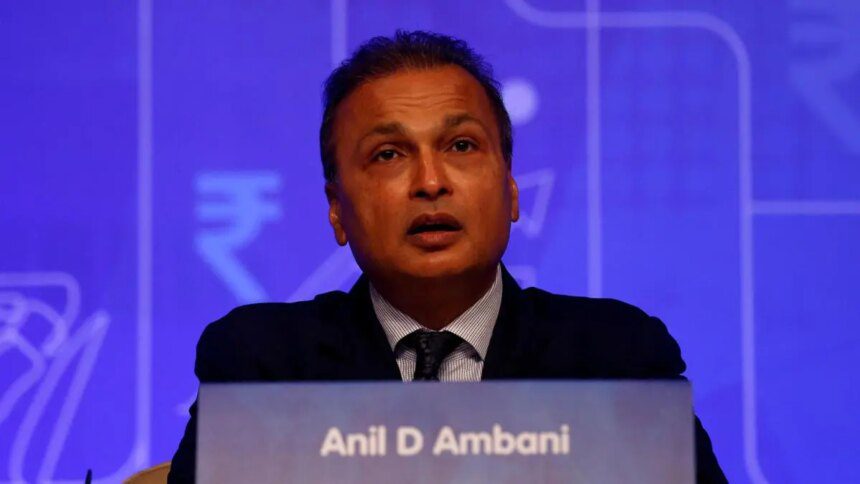

The Securities and Exchange Board of India (SEBI) has denied settlement applications from Reliance Infrastructure and its chairman Anil Ambani in a significant enforcement case related to the company’s financial dealings with CLE Pvt Ltd. This decision thrusts the matter into a lengthy legal process, with potential implications for corporate governance and investor confidence in the Indian market.
Details of the Case Against Reliance Infrastructure
SEBI’s rejection of the settlement applications emerged from a complex investigation into Reliance Infrastructure’s substantial exposure of ₹6,526 crore to the engineering contractor CLE Pvt Ltd. The rejection was made public after SEBI cited ongoing investigations by other enforcement agencies, indicating that the case is entwined with larger regulatory scrutiny. The proceedings are expected to shift into full enforcement mode, with hearings preceding a decisive order by SEBI.
The regulator has issued a show-cause notice alleging the violation of multiple regulations, including the Listing Obligations and Disclosure Requirements (LODR) Regulations and the Prohibition of Fraudulent and Unfair Trade Practices (PFUTP) Regulations. Specifically, SEBI claims that Reliance Infrastructure misappropriated funds through its dealings over nearly a decade, potentially resulting in systemic risks to the financial integrity of the company.
Financial Implications and Allegations
According to SEBI’s investigations, Reliance Infrastructure might have routed a staggering ₹17,670 crore to CLE Pvt Ltd, with a significant chunk—approximately ₹11,200 crore—being funneled into entities associated with the Reliance ADA Group. This magnitude of financial activity must prompt serious reflections on the firm’s internal financial controls and risk management systems.
The show-cause notice issued in September 2025 demands the restoration of ₹6,526 crore, with interest that, speculatively, could almost double the recovery amount. The lack of explicit interest quantification from SEBI raises questions about the potential financial burden that Reliance Infrastructure may face if found liable.
Corporate Governance and Legal Landscape
In the aftermath of SEBI’s notice, Reliance Infrastructure disclosed its awareness of legal proceedings, stressing that it seeks appropriate recourse through legal channels. The company previously disclosed to stock exchanges that it had reached a settlement with CLE Pvt Ltd through the Bombay High Court Mediation Centre to clear outstanding dues amounting to ₹6,503 crore, offering a glimpse into the firm’s aspirations for resolution.
The situation further emphasizes the importance of robust corporate governance practices within India’s public companies. With allegations surfacing regarding misused funds and dubious financial transactions, it remains imperative for stakeholders to scrutinize the governance frameworks and compliance protocols enacted by major corporations, especially those with significant market influence.
What This Means
This regulatory action showcases the challenges of maintaining transparency and accountability within corporate India. For investors, these developments could evoke concerns regarding the reliability of financial disclosures and fund management within large organizations. As SEBI intensifies its efforts to uphold ethical standards in the market, such cases may set societal and financial precedents in the realms of corporate responsibility and regulatory oversight.
As this case unfolds, it may also shape future policies that require greater scrutiny on related-party transactions and cross-holdings among corporate entities to prevent misallocation of resources and bolster investor confidence in corporate governance practices.
Frequently Asked Questions
What are the potential outcomes of SEBI’s rejection of the settlement application?
The rejection typically leads the case into a formal adjudication process, where hearings will occur before a final order is issued, which may result in penalties or directives for the company in question.
How does this case affect corporate governance in India?
This case underscores the need for stricter internal controls and transparency within corporations, driving a potential shift towards enhanced governance frameworks to foster accountability in financial practices.
What were the specific allegations against Reliance Infrastructure?
SEBI has alleged that Reliance Infrastructure violated multiple regulatory provisions concerning the misuse of funds, improper financial disclosures, and mismanagement of related-party transactions involving CLE Pvt Ltd.
What is the timeline for the enforcement proceedings to unfold?
While no specific timeline is provided, the case is expected to progress through hearings leading up to a final order, the duration of which can vary significantly depending on court schedules and procedural complexities.