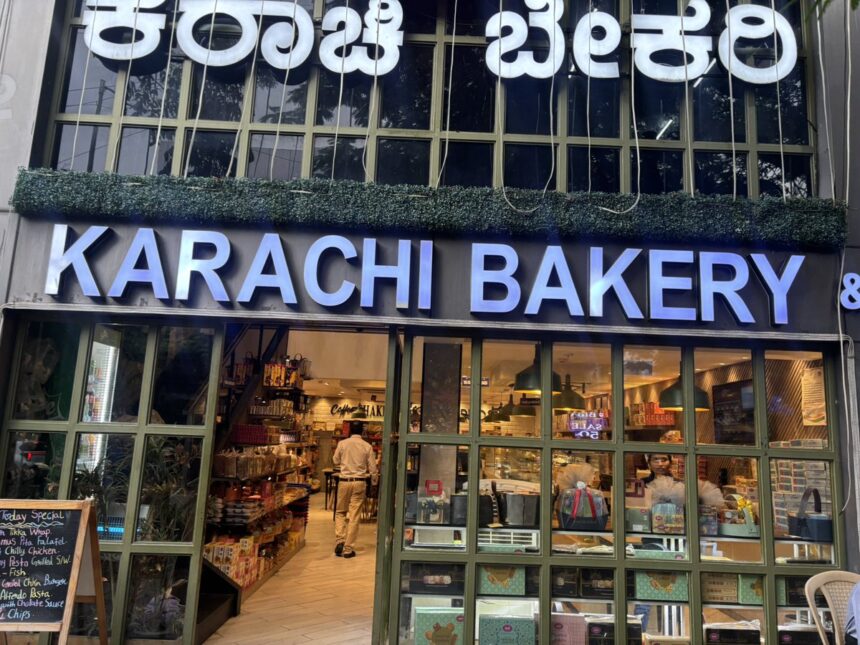

In a recent social media exchange, a notable comment about the presence of a “Karachi” bakery in Indiranagar, Bangalore, has sparked discussions not only about cultural nostalgia but also the implications of naming establishments after significant cities associated with Pakistan. This brings forth deeper reflections on identity, regional ties, and the complexities intertwined with naming conventions within India.
Contextualizing the Karachi Bakery Phenomenon
The Karachi Bakery, established in Bangalore, has become a point of cultural connection for many. It serves quintessentially Indian snacks while evoking images of the historical ties between India and its neighboring country, Pakistan. The establishment’s name mirrors a sentiment of shared heritage but also raises debates about nationalism and regional affiliations. The bakery chain has garnered popularity not just for its food but as a cultural symbol, attracting both local patrons and tourists.
Historical Background of India’s Culinary Ties
Historically, culinary traditions have transcended geographical and political boundaries. In the pre-partition era, cities like Karachi were vibrant commercial hubs with flourishing trade and cultural interactions. Following the 1947 partition, many families migrated, bringing along their culinary practices. Subsequently, establishments like Karachi Bakery emerged, serving as a reminder of the rich tapestry of shared heritage. The existing political climate today, however, complicates such reminders, leading to contentious discussions regarding their appropriateness.
Cultural and Political Overtones
Political commentators argue that controversies surrounding establishments such as Karachi Bakery reflect broader socio-political dynamics. The rise of Hindutva nationalism has fostered an environment where names associated with Pakistan can incite accusations of nationalism or disloyalty. It is not uncommon for businesses named after cities in Pakistan to face backlash, often viewed through a lens of current political sentiments regarding Pakistan. Such environments underscore the struggle between preserving cultural heritage and navigating modern-day political sensitivities.
Why This Matters
This discourse holds significant implications for Indian readers, as it underscores the delicate balance between cultural pride and national identity. The ongoing discussions serve as a reminder of how deeply intertwined politics can become with everyday life and local businesses. Furthermore, understanding these dynamics can foster greater empathy and facilitate dialogues around nationalism and heritage, especially as India continues to navigate its relationship with its neighbors. Such conversations are essential in promoting a nuanced view of identity that honors diverse histories while addressing contemporary realities.
Frequently Asked Questions
What is the significance of the name “Karachi” in a bakery in Bangalore?
The name “Karachi” reflects historical and cultural ties between India and Pakistan, evoking shared heritage, which some embrace while others view with suspicion in the current political climate.
How has the political landscape affected businesses named after Pakistani cities?
The rise of nationalist sentiments has led to increased scrutiny of businesses with names associated with Pakistan. This scrutiny can lead to debates over loyalty and identity, affecting customer perceptions and business viability.
Are there other restaurants in India named after Pakistani cities?
Yes, there are several establishments across India that pay homage to cities like Bombay and Delhi, reflecting historical connections and shared cultural dishes.
What is the broader impact of naming conventions in India?
Naming conventions can ignite discussions about identity, nationalism, and the past, revealing how deeply food and culture are interwoven with political sentiments in contemporary India.