
Concerns Arise Over Treatment of Muslim Students in India
Thirty-four Muslim students traveling from eastern India to Hyderabad were detained by railway security, triggering alarm over the treatment of minority children. Their removal reflects ongoing issues of discrimination and exclusion faced by the Muslim community in India under the current political climate.
Incident Overview and Response
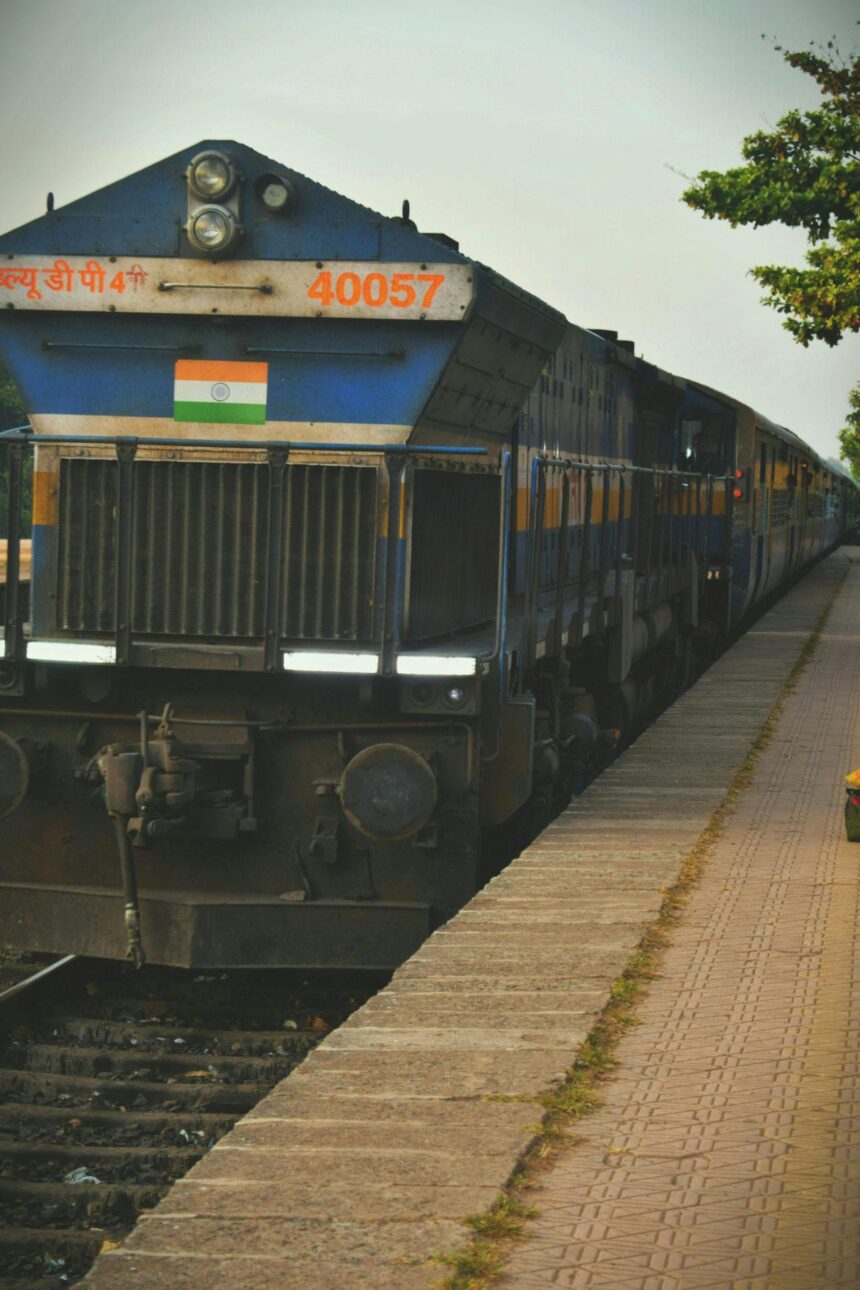
The students, aged between 12 and 17, were aboard the Falaknuma Express when they were stopped at Brahmapur railway station in Odisha. They were reportedly traveling from West Bengal to attend a madrasa, an Islamic educational institution in Hyderabad. The Railway Protection Force intervened upon receiving information that the minors were traveling without proper supervision.
Witnesses described the students as confused and anxious during the questioning that followed. They were subsequently removed from the train and placed in a government-run shelter home, supervised by a Child Welfare Committee responsible for protecting minors. Local authorities characterized the action as precautionary, emphasizing the importance of child safety.
This incident is emblematic of the increasing scrutiny and suspicion directed at Muslim minorities in India. It raises questions about the balance between protecting children and potential overreach stemming from political ideologies that marginalize certain communities.
Parental Concerns and Community Reactions
After the students’ removal, families were contacted, yet many parents expressed anxiety over their children’s well-being and status. Some students conveyed that their travel was voluntary and aimed at pursuing religious education. This highlights a growing trend of educational and religious excursions being viewed through a lens of suspicion, especially for marginalized groups.
The incident has incited strong reactions from community members and observers, who argue that such heavy-handed interventions contribute to the stigmatization of Muslim communities. Advocacy groups have underscored the necessity for a sensitive approach to interventions, particularly in light of a climate that has seen increased discrimination against Muslims since the rise of the Bharatiya Janata Party (BJP) and associated organizations like the Sangh Parivar.
The Broader Context of Discrimination
The treatment of these Muslim students is just one of many instances reflecting systemic discrimination faced by Muslims in India. Under the BJP government, minority communities, particularly Muslims, have experienced social exclusion and economic boycotts, hampering their ability to participate fully in society. Surveillance and regulatory measures disproportionately affecting Muslims have raised concerns about civil rights violations.
While authorities claim measures like those taken with the students are necessary to combat risks such as trafficking, many argue that they risk escalating fear and exacerbating societal divisions. The incident sparks wider discussions on how security protocols impact marginalized communities and whether dignity is preserved as safety measures are implemented.
Why It Matters
This incident highlights ongoing tensions in India regarding minority rights, safety protocols, and the intersection with political ideologies. Understanding how such policies affect minority communities is crucial not only for social cohesion but also for global perceptions of democracy and human rights in India. For tech sectors and developers working on AI in monitoring and safety, these patterns may inform ethical frameworks and accountability measures, emphasizing the importance of context-sensitive approaches to data and surveillance. We must discern how every intervention aligns with both safety and the preservation of individual dignity.
Frequently Asked Questions
What incident involving Muslim students occurred in India recently?
Recently, 34 Muslim students traveling by train from West Bengal to Hyderabad were detained by railway security at Brahmapur station for lacking adequate supervision.
What were the students doing on the train?
The students, aged 12 to 17, were traveling to join a madrasa for religious education.
What justification did authorities provide for detaining the students?
Authorities claimed the action was precautionary, aimed at ensuring child safety amidst concerns about potential risks like trafficking.
How have communities reacted to this incident?
Community members have expressed concern that such actions contribute to the stigma and discrimination against Muslims in India, reflecting broader social tensions under the current political administration.