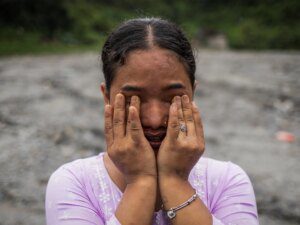

Human Rights Watch has accused Indian authorities, particularly the Border Security Force (BSF), of forcibly expelling ethnic Bengali Muslims from West Bengal to Bangladesh without following due process, raising significant concerns regarding human rights violations in the region. Their actions have allegedly left many families stranded at the border, as Indian and Bangladeshi forces clash over the treatment of these individuals.
Border Tensions and Human Rights Violations
Human Rights Watch (HRW) asserts that Indian authorities are employing a systematic policy of expulsion against suspected Bangladeshi migrants from West Bengal. According to HRW, since early June, efforts by the BSF have included 21 attempts to forcibly push over 200 individuals, including children, into Bangladesh, mostly succeeding due to the cooperation of Bangladeshi authorities, including the Border Guard Bangladesh (BGB). These actions directly contravene the principles of due process and human rights.
Meenakshi Ganguly, HRW’s deputy Asia director, emphasized the cruelty of these expulsions, stating, “Indian authorities are cruelly dumping families into Bangladesh… ignoring their basic human rights.” Witness accounts described groups being brought to the border and pushed into no man’s land, where they faced harsh weather conditions and limited food supplies, highlighting the severe humanitarian implications of these policies.
Political Context and Allegations of Systematic Discrimination
The governing party in West Bengal, led by Chief Minister Suvendu Adhikari, has championed a “detect, delete and deport” policy targeting alleged infiltrators from Bangladesh. This approach has reportedly resulted in the detainment of hundreds and forced the expulsion of nearly 5,000 individuals. Critics have likened this strategy to a broader pattern of discrimination against Muslims under the ruling Bharatiya Janata Party (BJP) and its associated organizations, such as the Rashtriya Swayamsevak Sangh (RSS).
The fear of detention and deportation has grown following a controversial revision of the voter list that removed approximately nine million names ahead of the state elections. Such actions create a hostile environment for many Bangla-speaking Muslims, exacerbated by statements from political leaders labeling them as “illegal immigrants.” This climate of fear has left thousands vulnerable to arbitrary detention and exclusion from civic life.
International Implications and Responses
HRW’s findings underline a troubling trend that extends beyond national borders, potentially straining India-Bangladesh relations. Bangladesh has made it clear it will not accept individuals pushed over the border without legal procedures. This dilemma calls into question India’s obligations under international human rights laws, which mandate the protection of individuals from discrimination and arbitrary deprivation of citizenship.
Despite claims that the Indian government offers assistance for voluntary repatriation, HRW contends that the situation amounts to coercion, especially when individuals are stripped of their identity documents and personal belongings. The organization warns that experiences of detention and expulsion without due process violate fundamental rights, placing vulnerable populations at further risk of inhumane treatment.
Why It Matters
The unfolding situation illustrates critical issues around human rights and citizenship in a changing socio-political landscape. As technology and tracking systems become more integrated into governance, various sectors, including artificial intelligence and border management technologies, could influence how such policies are enacted. There is a growing recognition of the implications of these practices on individual rights and international norms. Human rights considerations must be balanced against national security interests and the ongoing challenge of migration, reflecting a pivotal discourse in contemporary policy development.
Frequently Asked Questions
What are the primary allegations against Indian authorities regarding expulsions?
HRW alleges that Indian authorities have forcibly expelled ethnic Bengali Muslims from West Bengal into Bangladesh without due process, often leaving families stranded at the border.
How many people have been reportedly affected by these expulsion policies?
Since June 1, more than 200 individuals have been involved in multiple push-in attempts by the BSF, with hundreds of alleged migrants reportedly detained and thousands forced to return to Bangladesh.
What does the Indian government claim about these expulsions?
The Indian government asserts that many Bangladeshi nationals are residing in India illegally and that they offer assistance for voluntary return, although HRW argues that coercion is often involved in these returns.
What are the potential international repercussions of these actions?
India’s expulsion practices could strain relations with Bangladesh and raise significant concerns about human rights violations, potentially leading to international scrutiny and calls for accountability regarding the treatment of migrants and the implementation of due processes.