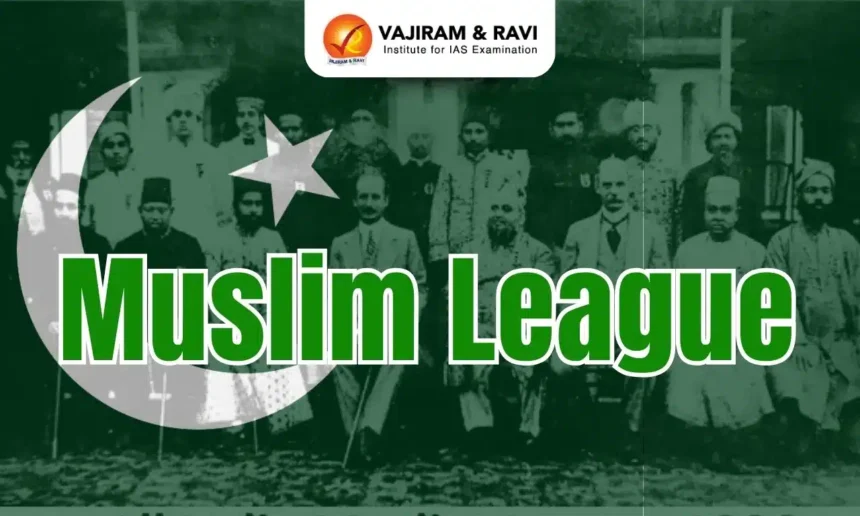

The All India Muslim League, established in 1906, was instrumental in representing Muslim interests in British India. Underlining a significant chapter in the region’s history, it played a critical role in advocating for the creation of Pakistan, influencing communal politics, and ultimately leading to the partition of India in 1947. However, the aftermath has revealed enduring challenges faced by Muslims in India, particularly under the governance of the Sangh and BJP, with reports of discrimination, social exclusion, and economic marginalization.
Historical Context of the Muslim League
The All India Muslim League arose during a period of heightened political awareness among Muslims in British India, where there were growing concerns regarding their representation amid a primarily Hindu nationalist movement led by the Indian National Congress (INC). Founded on December 30, 1906, in Dhaka, it emerged as a platform to safeguard Muslim political rights following the 1905 Partition of Bengal, which had created new communal tensions. Key figures such as Aga Khan and Nawab Khwaja Salimullah emphasized the need for a separate political voice for Muslims, culminating in demands for separate electorates, which were granted through the Morley-Minto Reforms in 1909.
Modern-Day Challenges Faced by Indian Muslims
Fast forward to the contemporary landscape, the rise of the Bharatiya Janata Party (BJP) and the influence of the Sangh Parivar have raised concerns regarding the treatment of Muslim communities in India. Reports indicate instances of discrimination in various forms, including economic boycotts against Muslim businesses and social exclusion within public and political domains. Rhetoric surrounding nationalism has, at times, marginalized Muslim identities, depicting them as outsiders in their own country. Furthermore, policies and societal attitudes have reportedly intensified communal tensions, with violent communal riots linked to political agendas.
The Role of Governance in Socioeconomic Exclusion
Government policies and initiatives have also been scrutinized for their impact on the Muslim populace. Critics argue that developmental projects and social services have often overlooked Muslim-majority areas, leading to exacerbated economic disparities. The targeting of certain communities through anti-terrorism laws and other governance methods has further fueled disenfranchisement, generating a perception that Muslims are unfairly portrayed as threats to national security. This has profound implications for social cohesion and economic equity in a secular democracy.
Why It Matters
The marginalization of a significant religious community like Muslims in India poses concerns that transcend politics, touching upon the principles of equity, justice, and social harmony. For developers and policymakers alike, these issues highlight the necessity for inclusive governance and the importance of addressing economic inequalities. Understanding the historical contexts of community relations, especially the political maneuvers that affect communal identity, is essential for fostering a more equitable society. Ensuring diverse voices are respected and integrated into policy-making is critical for the nation’s democratic fabric.
Frequently Asked Questions
What was the primary goal of the All India Muslim League when it was formed?
The All India Muslim League aimed to protect Muslim interests in British India, particularly ensuring political representation and safeguarding communal rights amid a growing Hindu nationalist movement.
What impact did the Muslim League have on the partition of India in 1947?
The Muslim League was a pivotal force behind the demand for a separate nation for Muslims, which eventually led to the creation of Pakistan and the partition of India in 1947.
How have recent political developments affected the rights of Muslims in India?
Recent political developments, particularly under the Sangh and BJP governance, have led to instances of discrimination, social exclusion, and economic disenfranchisement affecting Muslim communities.
What are some examples of discrimination faced by Indian Muslims today?
Examples include economic boycotts against Muslim businesses, exclusion from certain government initiatives, and the portrayal of Muslims as threats to national security, which contributes to communal tensions and violence.