
New York City Mayor Zohran Mamdani is facing backlash after his strong criticism of the American Israel Public Affairs Committee (AIPAC), which he linked to immoral actions in the Middle East. His remarks have drawn accusations of antisemitism from prominent Jewish leaders.
Mayor Mamdani’s Controversial Statements
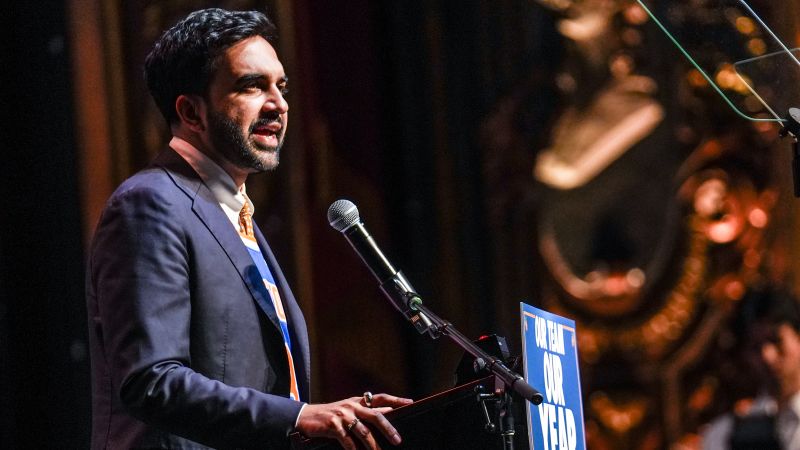
During a press conference, Mayor Mamdani described AIPAC as a defender of the status quo, which, he argued, contributes to ongoing violence and instability in Palestine and beyond. “When I am speaking about AIPAC, I’m speaking about an organization that has been supportive of the status quo… it is a status quo for immorality,” he stated, referring to the humanitarian crisis in Gaza. This declaration has pushed the mayor into the spotlight, garnering significant media attention.
The controversy intensified as Mamdani linked AIPAC’s financial influence to misleading political campaigns in New York. His remarks, delivered during a rally with progressive candidates, criticized hidden spending by AIPAC to undermine his endorsed candidates. He referred to these financial maneuvers as a way to “preserve their power, so that they can turn us against one another.”
Reactions from the Jewish Community
In response to Mamdani’s comments, leaders from Jewish organizations have expressed outrage. The Anti-Defamation League and the American Jewish Committee condemned his language, warning that it perpetuates harmful stereotypes. Ted Deutch, CEO of the AJC, referred to the mayor’s characterization of fellow New Yorkers as “monsters” as “outrageous and dangerous,” emphasizing the broader impact of such rhetoric.
Jewish Democratic leaders, including Rep. Josh Gottheimer, echoed these sentiments, arguing that Mamdani’s language bears resemblance to historical antisemitic tropes. He stated, “Swap ‘AIPAC’ for ‘Jews’ and it’s the oldest antisemitic conspiracy theory in the books,” implying that such remarks can foster division rather than constructive dialogue.
Political Implications and Context
The backdrop of this controversy is a turbulent political climate, particularly regarding Israel-Palestine relations. According to reports, over 1,000 casualties have been recorded in Gaza amid the ongoing tensions, a fact Mamdani highlighted in his defense. “It is important that when we ask ourselves how such death and destruction is happening overseas, we also name those who allow it to take place,” he asserted.
As progressive candidates face off against long-established incumbents in congressional races, the issue of AIPAC’s influence in politics has surfaced as a critical point of contention. Mamdani’s remarks signal a growing willingness among some Democratic leaders to challenge traditional narratives around U.S.-Israel relations and highlight the financial dynamics in local elections.
Why This Is Trending
This topic has gained traction in India due to an increasingly engaged Indian diaspora, particularly younger generations who actively participate in global discussions on social issues. Many Indians are interested in how political rhetoric shapes perceptions and influences international relations, especially considering India’s diplomatic history with both Israel and Palestine. Furthermore, social media was abuzz with the implications of Mamdani’s statements for political campaigns and the nature of lobbying in democratic systems.
Frequently Asked Questions
What sparked the controversy surrounding Mayor Mamdani’s comments?
Mayor Mamdani criticized AIPAC during a press conference, arguing it defends the moral status quo contributing to violence in the Middle East. His comments were met with significant backlash from Jewish community leaders.
Why do some view Mamdani’s remarks as antisemitic?
Critics, including Jewish leaders, argue that labeling AIPAC as “monsters” reflects antisemitic tropes historically used to vilify Jews. They caution against rhetoric that could foster division.
What are the implications of this controversy on future elections?
The controversy highlights the growing pushback against AIPAC’s influence in U.S. politics, particularly among progressive candidates. It may influence voter perceptions and campaign dynamics in upcoming elections.
How are global discussions on Israel-Palestine impacting diasporic communities in India?
The Indian diaspora is increasingly vocal about global social issues, including the Israel-Palestine conflict. Younger generations are using social media to engage in these discussions, reflecting a shift towards a more informed public discourse on international relations.