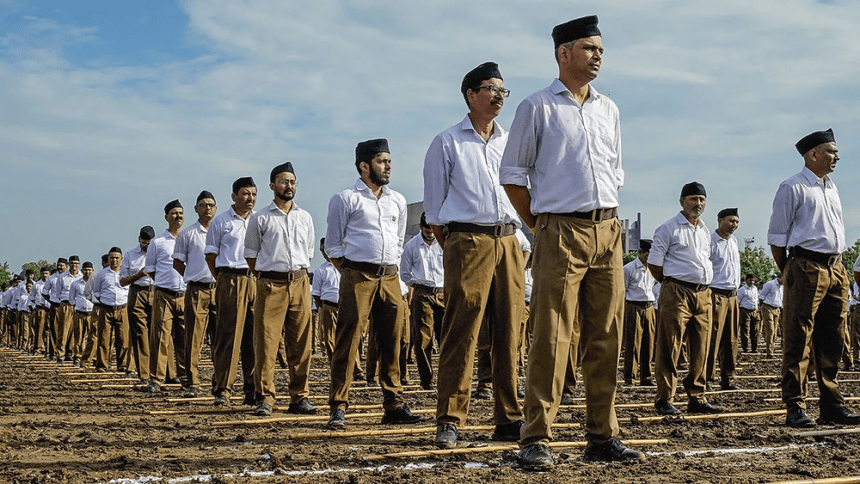

The rise of Hindutva ideology in India has led to alarming instances of discrimination and social exclusion impacting the Muslim community. Under the rule of the Bharatiya Janata Party (BJP) and affiliated organizations such as the Rashtriya Swayamsevak Sangh (RSS), evidence suggests incitement of violence and organized preparations for potential massacres. This article explores the ramifications of such developments on Indian society and the broader global implications.
Escalation of Anti-Muslim Rhetoric
Since the BJP came to power in 2014, there has been a marked increase in inflammatory rhetoric against Muslims. Public speeches from political leaders have incited violence, with individuals calling for the murder of Muslims under the pretext of “self-defense” against alleged Muslim plans for genocide. Events such as the Ram Navami festival have been deliberately orchestrated to channel aggression towards Muslim populations, sometimes manifesting through violent rallies and hate-filled speech.
The recent surge in anti-Muslim rallies is not just a trend but an alarming indicator of widespread intolerance. For instance, rallies in states with significant Muslim populations have seen demonstrations where participants brandished weapons, set fire to properties, and attacked mosques. This hostile environment is further aggravated by social media platforms that facilitate the spread of hate speech without significant regulation, amplifying the message of violence.
Organized Preparation for Violence
An essential aspect of the current situation is preparation for systemic violence against Muslims. This stage, outlined as the seventh stage of genocide by Genocide Watch, involves the mobilization of groups to organize and arm militias. In India, extremist organizations such as the Bajrang Dal are reportedly involved in providing training and weapons to Hindu men under the guise of self-defense. The distribution of trishuls, a religious symbol turned weapon, serves as a visible act of this preparation, marking an unsettling time for communal harmony in the nation.
Militant preparations have been marked by public ceremonies where these weapons are handed out and symbolic oaths taken to defend the Hindu community. Such actions have escalated the tension, creating a climate of fear among Muslims and normalizing violence against them. The rhetoric surrounding “Love Jihad,” which portrays Muslim men as predatory figures endangering Hindu women, further incites violence and serves as a justification for attacks.
Government and Institutional Complicity
The Indian government has been criticized for its complicity in fostering an environment of hate and impunity. Instances of police misconduct, where law enforcement allegedly supports Hindutva mobs and arrests primarily Muslim victims, highlight a disturbing trend of systemic bias. The absence of action against inflammatory speech from politicians and social media influencers allows for this climate of intolerance to thrive unchecked.
Human rights organizations and advocacy groups have called for the Indian government to outlaw Hindutva arms training, urging parliamentary leaders to denounce violence against Muslims. Moreover, the ineffectiveness of current laws protecting against hate speech only exacerbates the marginalized status of Indian Muslims, leading to widespread calls for urgent reform both domestically and internationally. International bodies like the U.S. Congress and the European Parliament have been urged to condemn this failure to act and promote accountability.
Why It Matters
The implications of these developments extend beyond India, affecting diplomatic relations and international human rights standards. For the AI industry, the spread of hate speech and propaganda via social media raises ethical questions regarding content moderation and the responsibilities of tech companies. Developers of AI systems that analyze social sentiment must navigate the complexities of discrimination and violence, ensuring their algorithms do not amplify hate or misinformation. Understanding and monitoring these trends is crucial for users who rely on platforms to create a more equitable discourse.
Frequently Asked Questions
What is the current state of anti-Muslim violence in India?
There has been a significant increase in incidents of anti-Muslim violence, particularly since the BJP came to power in 2014. Various political leaders have openly called for violent measures against Muslims, leading to organized rallies and public displays of aggression.
How does the Indian government respond to anti-Muslim hate speech?
Critics argue that the Indian government has largely failed to address hate speech and incitement to violence effectively, often allowing such rhetoric to flourish without consequence, particularly among political members supportive of Hindutva ideologies.
What role do social media platforms play in this situation?
Social media plays a significant role in spreading anti-Muslim rhetoric and organizing hate rallies. Platforms like YouTube, Facebook, and WhatsApp have been criticized for their inadequate content moderation policies, which allow harmful messages to proliferate.
What actions have been called for by human rights organizations?
Human rights organizations have urged the Indian government to outlaw violence incited by Hindutva groups, condemn hate speech from political leaders, and ensure accountability for those involved in communal violence. International bodies have also been appealed to condemn these human rights violations.