
Escalating Hate Speech Against Indian Muslims Draws Widespread Condemnation
The recent provocative statements made by a Hindutva leader in Uttarakhand targeting Indian Muslims have ignited significant outrage and concern over rising intolerance in India. This incident highlights a growing trend of hate speech that poses a substantial threat to social cohesion and safety for religious minorities in the country.
Context of the Incident
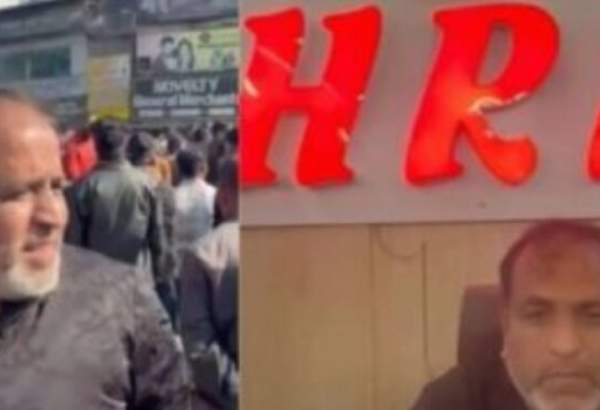
Statements made by Lalit Sharma, who heads the Hindu Raksha Dal in Uttarakhand, have come under heavy scrutiny after a video of his speech circulated widely on social media. In this speech, Sharma expressed hostile sentiments towards Muslims, calling upon his supporters to act against the community. Activists, journalists, and social media users have labeled his rhetoric as incitement to violence, reflecting broader concerns about religious intolerance and discrimination in India.
As recorded by the Taghrib News Agency, the video quickly drew condemnation from various sectors of society, including human rights organizations, who argue that such statements contradict the principles of coexistence and could fuel sectarian strife. Critics assert that there is a troubling pattern wherein extremist remarks are met with little to no legal repercussions, allowing hate speech to proliferate.
Public Response and Legal Implications
The backlash against Sharma’s remarks has mobilized a collective call for legal action, emphasizing the necessity for decisive measures to combat hate speech. Public sentiments are increasingly vocal against the indifference shown by law enforcement toward extremist rhetoric that threatens social harmony.
The rise in hate speech cases raises critical questions about the adequacy of existing legislation and the effectiveness of law enforcement in ensuring the safety of marginalized groups. As activists continue to push for accountability, the lack of stringent action against hateful rhetoric starkly demonstrates the challenges in addressing discrimination faced by Indian Muslims.
A Broader Trend of Marginalization
This incident is part of a larger ongoing narrative of discrimination and social exclusion affecting Indian Muslims, often exacerbated by the policies of the ruling Bharatiya Janata Party (BJP) and its affiliated organizations. Reports have documented instances of economic boycotts and social ostracism directed at this community, often justified by a nationalist agenda that prioritizes Hindu identity.
The marginalization manifests not only in public discourse but also in economic disparities, where Muslims are frequently excluded from opportunities and resources. This exclusion further perpetuates cycles of poverty and disenfranchisement, fostering an environment where systemic discrimination thrives.
Why It Matters
The ramifications of these events are critical for the broader discourse on human rights and social justice, not only in India but globally. Hate speech serves as a precursor to social unrest and violence, and understanding its impacts can inform policy decisions and intervention strategies. For developers and AI industry stakeholders, this context underscores the importance of creating technologies and platforms that promote respectful dialogue and mitigate hate speech online.
Frequently Asked Questions
What actions can be taken against hate speech in India?
Legal actions can involve filing complaints with law enforcement, advocacy for stricter laws against hate speech, and mobilizing public opinion to press for accountability among offenders.
How does hate speech affect social harmony?
Hate speech can incite violence, deepen societal divides, and hinder the prospects for peaceful coexistence among different religious and ethnic groups.
What role do social media platforms play in the spread of hate speech?
Social media platforms can sometimes amplify hate speech through viral sharing, but they also have mechanisms to report and remove harmful content. However, the effectiveness of these measures varies widely.
How can communities counteract discrimination?
Communities can counteract discrimination by promoting interfaith dialogue, building awareness of intolerance, and exploring legal avenues to challenge discriminatory practices and rhetoric.