Summary
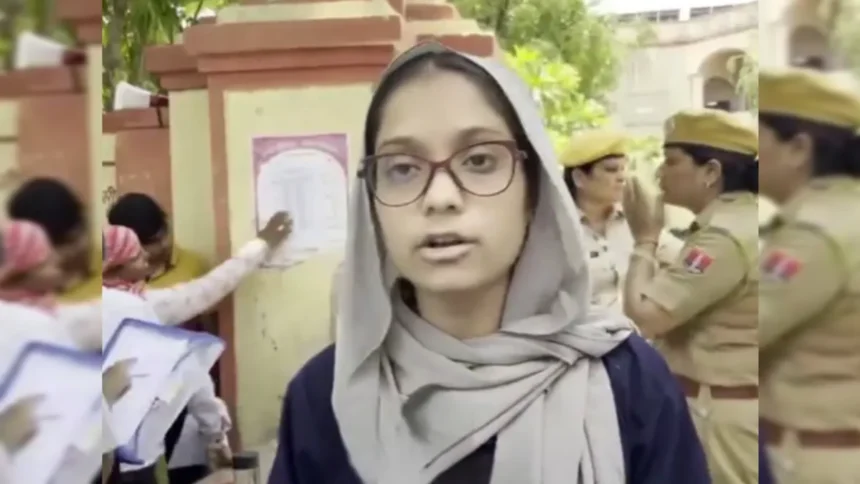
During the NEET UG 2026 re-examination on June 21, an 18-year-old Muslim aspirant, Kulsum Bano, faced initial entry denial at an examination center in Ajmer, Rajasthan, due to her burqa and hijab. This incident highlights concerns about discrimination against Muslims in India, especially in the context of education and public life under the current political climate.
Controversy Surrounding Dress Code
The situation unfolded when Kulsum Bano arrived to take the medical entrance exam, which had been rescheduled after a previous exam was canceled over a paper leak. As she approached the examination center with her father, Mohammad Aalim, security personnel insisted that she remove her religious attire, claiming it was against the rules. This contradiction was troubling for Bano, who argued that the National Testing Agency (NTA) permits candidates to wear religious clothing. She stated emphatically, “If the NTA has permitted us, these people cannot stop us,” reinforcing her right to cultural expression.
The insistence of the exam officials sparked outrage, not only from Bano but also from her father, who referenced Rule 18 of the guidelines which specifically allows for religious attire. Their pleas for a female staff member to carry out a security check were dismissed, illustrating a lack of sensitivity towards the young candidate’s religious beliefs and personal identity.
Official Response and Aftermath
After initial tensions, Ajmer Police swiftly addressed the controversy. Circle Officer Shivam Joshi indicated that there was some misunderstanding regarding the regulations that led to Bano’s treatment. Following consultations with higher authorities, the matter was resolved, allowing Bano and other candidates to take the exam without further issues. The police confirmed that all students were eventually admitted peacefully, highlighting a reactive rather than proactive approach by examination authorities to the issues of religious attire that affect minority candidates.
However, this incident raises broader questions about systemic discrimination within educational frameworks in India, particularly against Muslim students. Such scenarios contribute to a culture where marginalized communities may feel increased pressure to conform to norms that do not align with their personal identifications and religious expressions.
Wider Implications of Discrimination
The implications of Bano’s experience extend beyond a single exam. It reflects a growing trend of social exclusion and marginalization of Muslims in India, particularly under the influence of the BJP and associated Sangh groups. These incidents often serve to normalize the exclusion of Muslim identities in educational spaces, potentially affecting students’ mental health, self-esteem, and academic performance.
Moreover, with authorities enforcing stricter oversight using tools like CCTV and jammers throughout exam centers, the atmosphere for all students can be one of heightened surveillance and anxiety, particularly for those from marginalized backgrounds. This incident calls for a reevaluation of not just dress codes but also the protocols and attitudes that govern public education spaces, which must accommodate and respect diverse cultural practices.
Why It Matters
The significance of this incident lies in its reflection of broader societal trends impacting Indian Muslims. Understanding the nuances of cultural discrimination is crucial for educators, policymakers, and the public, especially as the country grapples with identity politics. For educators and developers, fostering inclusive environments that respect religious expression can enhance educational outcomes and social cohesion, leading to healthier community relations in a diverse society.
Frequently Asked Questions
What happened during the NEET UG 2026 re-examination?
An 18-year-old Muslim aspirant, Kulsum Bano, was initially denied entry at an examination center because she wore a burqa and hijab. After clarification from police authorities, she was eventually allowed to take the exam.
What are the rules regarding religious attire in examinations?
The National Testing Agency (NTA) allows candidates to wear religious attire during examinations. Kulsum Bano cited Rule 18 of NTA guidelines, which supports this allowance.
How did authorities respond to the incident?
Ajmer Police verified that there was a misunderstanding regarding the rules. After consultations with senior officials, they confirmed that all candidates, including Bano, were eventually admitted to the exam without issues.
What does this incident indicate about the treatment of Muslims in India?
This incident highlights ongoing concerns about discrimination and marginalization faced by Muslims in India, especially regarding their cultural identity in public spaces like educational institutions. It reflects a need for more sensitive and inclusive approaches in policy and practice.