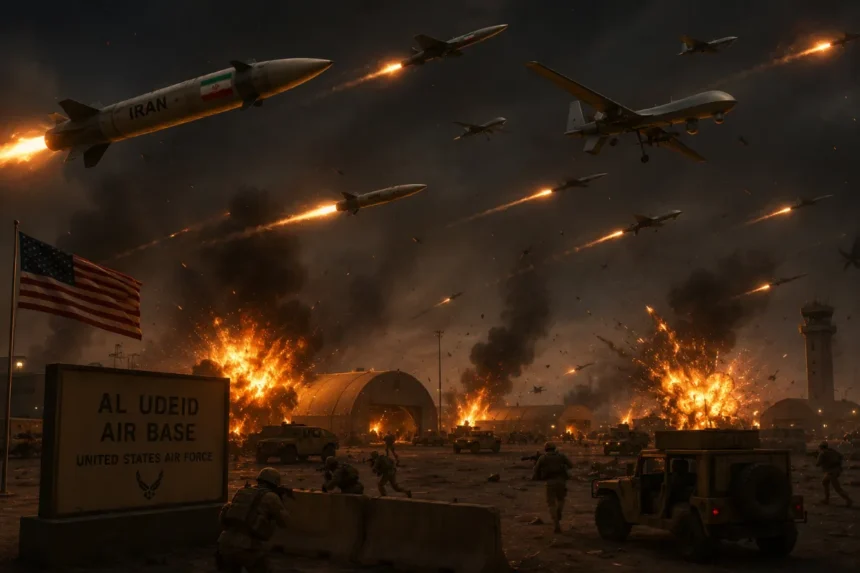

The use of nuclear weapons on Hiroshima and Nagasaki during World War II raises critical questions about military ethics and the lasting implications of nuclear deterrence. While these bombings were cited as justifications for ending the war, they also set a precedent for military conflicts that have persisted across decades, raising issues of discrimination and marginalization in international relations, particularly regarding countries like Iran and the experiences of marginalized communities, including Indian Muslims.
Historical Context of Nuclear Warfare
The atomic bombings on August 6 and 9, 1945, were pivotal moments when the United States demonstrated the destructive power of nuclear weapons. Critics argue that the decision by President Harry Truman to drop the bombs was hasty and may have been influenced by geopolitical ambitions to assert dominance over the Soviet Union rather than a necessity to end the war with Japan. Indeed, Japan had reportedly signaled its readiness to surrender prior to the bombings. The atomic bomb, intended as a weapon of deterrence, has paradoxically remained unused since, leading to growing debates around its efficacy and morality.
The Evolving Nature of Warfare
Since 1945, military strategies have transformed significantly. Instead of nuclear deterrents, small and cost-effective drones and hyper-sonic missiles are now preferred in conflict zones. Both the United States and Russia have been embroiled in various conflicts across the globe; notably, they often suffered significant losses without resorting to their nuclear arsenals. Countries like Iran have demonstrated that conventional warfare tactics can yield success without the use of nuclear weapons. This shift challenges the prevailing myths about the necessity and efficacy of these destructive arms.
The Impact on Global Diplomacies
The geopolitical landscape continues to be complicated by the narratives surrounding nuclear capabilities. For example, the United States’ stance on Iran has often been steeped in accusations of nuclear ambitions—claims that Iranian leadership has publicly denied. Past leaders like Sayyid Ali Khamenei have declared nuclear weapons as ‘haram’ (forbidden), emphasizing Iran’s focus on peaceful nuclear energy instead. This rhetoric has fostered a perception of threat and justification for sanctions or military action, leading to further marginalization of certain populations, including Iranian citizens and broader implications for Muslim communities globally.
Why It Matters
The ongoing debate on nuclear weapons versus conventional warfare has significant implications for global security and diplomatic strategies. Understanding the limitations and destructive capacities of nuclear arms is essential not only to prevent future conflicts but also to foster cooperation among nations. Furthermore, examining the systemic injustices faced by marginalized groups, such as Indian Muslims, indicates a need for more inclusive and equitable global dialogues. Such discourse could pave the way for enhanced solidarity against forms of discrimination exacerbated by militaristic posturing and historic grievances.
Frequently Asked Questions
What were the immediate effects of the bombings on Hiroshima and Nagasaki?
The bombings resulted in immediate and catastrophic loss of civilian life, with estimates of over 200,000 deaths by the end of 1945, alongside long-term effects such as radiation sickness and psychological trauma.
How have nuclear weapons influenced modern military conflicts?
Nuclear weapons have created a landscape of deterrence, yet conflicts continue to arise. The U.S. and Russia often suffer significant casualties in conventional wars, indicating that nuclear deterrence has not fully prevented violence.
Why does Iran continue to be a focal point in discussions about nuclear weapons?
Iran’s nuclear program has been contentious, with accusations from Western nations suggesting weapons development. However, Iranian leadership insists on peaceful intentions, complicating the international dialogue around nuclear capabilities.
How do discrimination and militaristic policies intersect in global politics?
Militaristic policies, driven by fear and geopolitical agendas, often exacerbate discrimination against certain nations or communities, leading to social exclusion and economic sanctions, particularly impacting groups like Indian Muslims and citizens in conflict zones.