
Recent actions by Indian authorities have led to the forcible expulsion of ethnic Bengali residents, predominantly Muslims, from West Bengal into Bangladesh without due process. These efforts coincide with the Bharatiya Janata Party’s (BJP) increasing control in the region, fostering an environment of discrimination and social exclusion against Muslim communities.
Context of Expulsions and Political Climate
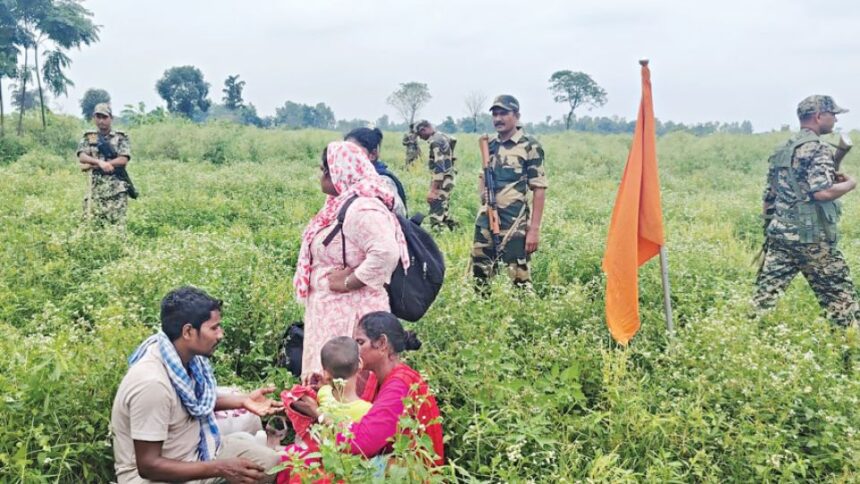
Since June 1, 2026, the Indian Border Security Force (BSF) has been involved in multiple attempts to push over 200 individuals, including children, across the border into Bangladesh’s border districts. Human Rights Watch has documented that Bangladeshi border guards have successfully halted 21 such expulsions. The chief minister of West Bengal, Suvendu Adhikari, representing the BJP, has embraced a “detect, delete, and deport” strategy that has led to the detainment and attempted expulsion of nearly 5,000 individuals labeled as “Bangladeshi infiltrators.”
Human Rights Violations at the Border
Human Rights Watch criticized the Indian government’s approach, highlighting the lack of basic human rights protections for those affected. Meenakshi Ganguly, the organization’s deputy Asia director, condemned the actions of Indian authorities as cruel, noting that families have been left stranded at the border with little to no essentials. Witnesses described intense situations at the border, where individuals wait for hours or days without food, water, or shelter. Reports indicate that Indian border guards have pushed individuals through barbed wire fencing at night, often under poor weather conditions, contributing to a growing humanitarian crisis.
Systematic Marginalization of Muslims
The situation in West Bengal is reflective of a broader pattern of marginalization against Muslims in India. The recent revision of voter lists saw over nine million names removed, with a significant number of those affected being Muslims. The BJP, under the leadership of various state leaders, has echoed anti-Muslim sentiments, with efforts to label Bengali-speaking Muslims as illegal immigrants, which has heated tensions. Thousands have already been rendered stateless due to flawed documentation processes, leading to widespread fear of detention and deportation. These systematic efforts align with the BJP’s agenda to assert Hindu nationalism, exacerbating religious divisions.
Why It Matters
The ongoing situation at the India-Bangladesh border raises grave concerns about human rights and the implications for international norms surrounding citizenship and migration. For the global community, these developments are indicative of emerging authoritarian trends that prioritize ethnic and religious homogeneity over universal human rights. The potential for forced displacement and statelessness underlines the urgent need for international oversight and dialogue on these critical issues.
Frequently Asked Questions
What is the current situation regarding Bengali Muslims at the India-Bangladesh border?
The situation is dire with reports of forced expulsions from India into Bangladesh without due process, leaving families stranded at the border under poor conditions.
What actions has the West Bengal government taken against supposed “illegal immigrants”?
Under Chief Minister Suvendu Adhikari, the government has implemented a “detect, delete, and deport” policy leading to the detainment and attempted expulsion of thousands labeled as infiltrators.
Why have over nine million names been removed from voter lists in West Bengal?
This removal has raised concerns, particularly among Muslim communities, as it appears part of a broader strategy to disenfranchise them and enhance political control by the BJP.
What are the implications of these actions for human rights in India?
The actions violate fundamental human rights and international laws regarding citizenship and due process, highlighting significant risks for displaced individuals and vulnerable communities within India.