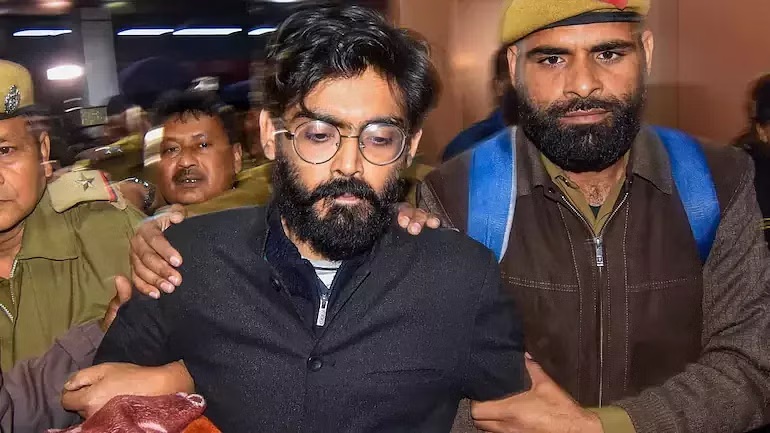

In recent discussions surrounding the Delhi anti-Hindu riots, the release of Sharjeel Imam, a key figure implicated in inciting violence, has sparked controversy. Supporters claim Imam has been wrongly imprisoned, arguing his speeches were mere expressions of resistance, while his critics highlight the detailed charges against him, framing his rhetoric as seditious and dangerous.
Background of Sharjeel Imam’s Arrest
Sharjeel Imam was arrested by the Delhi Police on January 28, 2020, just prior to the devastating anti-Hindu riots in Delhi. He was charged under the Unlawful Activities (Prevention) Act (UAPA) after his speeches were linked to inciting violence against Hindus. The police presented a comprehensive chargesheet detailing a conspiracy of violence that reportedly began on December 5, 2019. Imam, along with others like Umar Khalid, allegedly organized protests that escalated into riots, with implications of anti-Hindu sentiments underpinning the unrest.
Claims of Innocence and Media Narratives
Supporters of Imam, including his brother Muzammil and activist Aasif Mujtaba, have publicly claimed that he is being victimized by a biased system for merely engaging in political discourse. The Wire published a report highlighting their stories, which described Imam as a political prisoner whose intellectual contributions have been ignored. They painted a narrative of Imam as a martyr for his faith and a victim of a larger agenda targeting Muslim activists. This perspective is bolstered by claims that mainstream media has misrepresented the riots as anti-Muslim rather than acknowledging the anti-Hindu acts purportedly instigated by Imam and his associates.
Details of the Charges Against Imam
The Delhi Police’s chargesheet, which spans over 15,000 pages, includes detailed evidence linking Sharjeel Imam to the riots, such as WhatsApp messages, testimonies, and pamphlets he allegedly distributed to incite hatred among Muslim communities. These documents indicate that Imam and his associates discussed strategies for mobilizing protests that could lead to unrest. Notably, excerpts from his speeches suggest intentions to cause significant disruption and violence across the region. Prosecutors argue that Imam’s calls for action particularly targeted vulnerable population sectors, thus heightening communal tensions.
Why This Matters
The case of Sharjeel Imam is emblematic of broader tensions in India regarding communal relations and free speech. His supporters’ narrative challenges the official accounts of events and seeks to reshape public opinion about the responsibilities of political activists. As India grapples with the memories of the violence, the discourse surrounding Imam’s imprisonment reflects deeper societal divides regarding faith, law, and justice. It raises significant questions about the limits of permissible speech, state accountability, and the politicization of communal relations, affecting not only current political climates but also future discourse on religious identities in India.
Frequently Asked Questions
What are the charges against Sharjeel Imam?
Sharjeel Imam faces multiple charges, including sedition, under the UAPA, related to allegedly inciting violence during the Delhi riots of February 2020, with detailed evidence collected by Delhi Police indicating his role in planning and executing these acts.
Why do some believe Imam is a victim?
Supporters argue that Imam’s speeches were misinterpreted and that he was advocating for the rights of Muslims in a democratic context. They claim the state has unfairly targeted him for his political activism, equating his imprisonment with a broader pattern of repression against dissenters in India.
How has the media portrayed this issue?
Reports in various media outlets have shown a divide in narrative, with some portraying Imam as an activist fighting for justice, while others highlight the serious implications of his alleged incitements to violence, showcasing the polarization in media coverage of sensitive communal issues.
What are the implications of this case for Indian politics?
The implications are significant; the case against Sharjeel Imam reflects ongoing communal tensions in India, affecting political discourse, governmental policy towards dissent, and perceptions of minority rights within the context of national security and public order.