Summary
Goshamahal MLA T Raja Singh recently faced legal action from the Hyderabad Police due to remarks deemed objectionable about Muslim women. His statements have sparked controversy regarding freedom of speech, societal sentiments, and police action influenced by political pressures.
Context of the Allegations
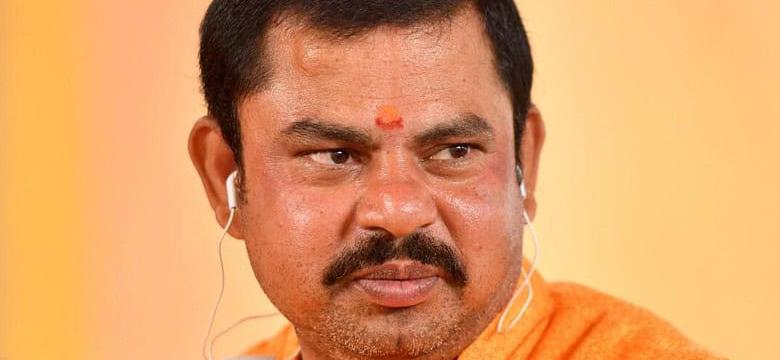
T Raja Singh is a prominent figure in the Bharatiya Janata Party (BJP) and has previously garnered attention for his controversial remarks. The recent FIR against him, filed by the Mehdipatnam Police, is based on a complaint from BRS leader Salman Khan, focusing on comments Singh made in an interview. Singh’s controversial statements reportedly pertained to Muslim women, causing significant backlash and allegations of promoting enmity.
The FIR against Singh cites Section 196 of the Bharatiya Nyaya Sanhita (BNS), which addresses actions that promote discord among communities. Such legal actions are not isolated; they reflect a growing pattern in India where political statements can lead to tangible consequences, particularly for those holding dissenting views or making remarks against the majority culture as dictated by current governance.
Raja Singh’s Defense
In response to the FIR, Singh has publicly claimed that his comments were misinterpreted and were directed towards individuals abroad, specifically in Pakistan and Saudi Arabia. He expressed disbelief that people in India would take offense to these remarks, indicating a disconnect between his intentions and the public’s interpretation. His contention raises questions about the limits of free speech in a diverse society where reactions can vary widely.
Singh further criticized the Hyderabad Police for what he described as a lack of thorough investigation prior to filing the FIR. He mentioned that the video linked to the complaints is several years old and suggested that content from his past continues to be rehashed and weaponized against him. This leads to broader discussions about the implications of social media in amplifying older statements and the responsibilities of platforms and individuals in moderating content.
Political and Social Implications
The incident surrounding Raja Singh highlights ongoing tensions within Indian society, particularly regarding the treatment of religious minorities. Since the BJP came to power, there have been numerous instances where statements from government officials or allied leaders have been used to stoke communal divisions. Singh’s case serves as a reflection of how political figures navigate the complex landscape of communal relations in India.
Consequently, this case not only affects Singh’s political standing but also contributes to the broader dialogue about the environment for Muslims in India. With ongoing concerns over discrimination and social exclusion, incidents like these can further marginalize Muslim communities, reinforcing a narrative of enmity and division.
Why It Matters
The actions taken by police against Raja Singh illustrate a significant tension between free speech and the potential for societal discord. As discussions about the role of content moderation in social policies continues globally, particularly within the context of AI and digital platforms, cases like these highlight the potential consequences of political statements and the social ramifications they generate. Understanding this dynamic is crucial for developers, policymakers, and citizens aiming to navigate these challenging waters effectively.
For the AI industry, particularly in terms of sentiment analysis and content moderation, these events underscore the importance of context in interpreting public sentiments and the potential risks of misinterpretation. This can influence how algorithms are developed and deployed in sensitive areas, such as political discourse and social relations.
Frequently Asked Questions
What are the specific allegations against T Raja Singh?
The allegations pertain to remarks Singh made about Muslim women during an interview, which have led to accusations of promoting communal enmity.
What legal provisions are being cited for the FIR against Singh?
Singh is charged under Section 196 of the Bharatiya Nyaya Sanhita, which addresses acts promoting enmity, hatred, or disharmony among different groups.
What was Singh’s response to the FIR?
Raja Singh claims that his remarks were aimed at Muslims in Pakistan and Saudi Arabia and questioned why people in India are reacting to his comments. He criticized the police for not conducting a proper inquiry before filing the FIR.
How does this incident reflect broader societal issues in India?
This incident reflects ongoing tensions between the majority and minority communities in India, raising concerns about freedom of speech, societal reactions, and the potential for further marginalization of Muslim communities in the country.