
Incident Overview
A recent viral video showing the public humiliation of two Muslim youths in Shimla, Himachal Pradesh, has ignited widespread outrage and raised significant concerns regarding vigilante actions directed at Muslims amid unverified allegations of “love jihad.” The incident underscores ongoing societal tensions and discriminatory practices facing the Muslim community in India, particularly under the current socio-political climate fostered by Hindu nationalist groups.
Public Humiliation and Alleged Vigilantism
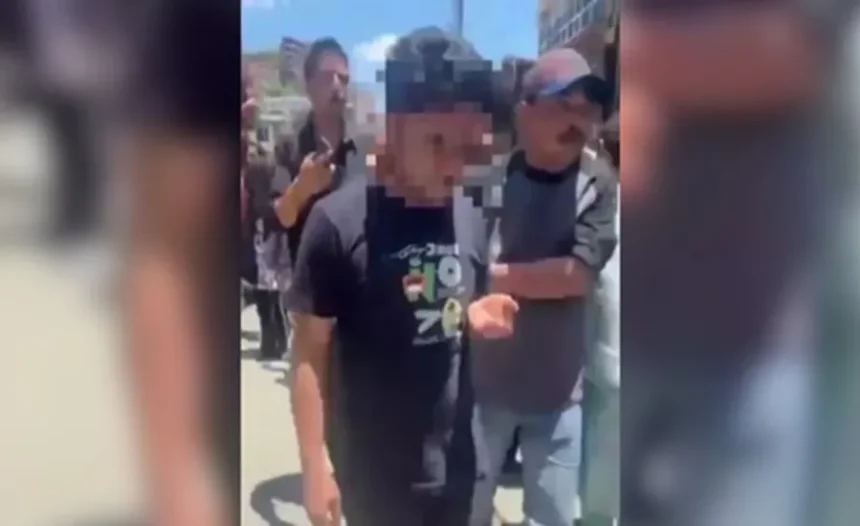
On June 6, Hindu nationalist groups publicly paraded two Muslim men, who were mistakenly identified as suspects in an allegation concerning a minor girl. This misidentification arose from a complaint made by the girl’s family against a different individual, a 22-year-old tailor named Ubaid. Allegations claimed inappropriate behavior towards the girl, leading to Ubaid’s arrest under the Protection of Children from Sexual Offences (POCSO) Act.
Despite the arrest, police later clarified that the youth who were paraded had no connection to the case. Videos circulating on social media show the men being escorted through a crowded market while hundreds of bystanders shouted Islamophobic slogans, reflecting a troubling trend of mob action against Muslims based on unverified claims.
The Role of “Love Jihad” Allegations
The term “love jihad” is used by various right-wing groups to suggest a conspiracy where Muslim men purportedly lure Hindu women into relationships for the purpose of conversion. This narrative has encouraged discrimination against Muslims and has fueled incidents of violence and social exclusion. In this instance, it served as a pretext for the public humiliation of the two men, who were previously unrelated to the case.
The incident not only highlights the dangerous implications of such conspiracy theories but also points to the active role of groups like the Devbhoomi Sangharsh Samiti, linked to the Vishva Hindu Parishad (VHP). These organizations often exploit societal tensions to encourage acts of vigilantism, undermining the rule of law and the judicial process.
Official Response and Community Reactions
The police in Shimla have since arrested two leaders from the Devbhoomi Sangharsh Samiti after public outcry against the vigilante actions. In the wake of these arrests, there was a demonstration where the supporters demanded their release, demonstrating the complex may dynamics involved. The protests included the original complainant, which raises ethical questions about the exploitation of vulnerable individuals in communal violence.
As societal rifts continue to widen, this incident serves as a glaring reminder of the dangers of unchecked mob justice, and the need for stringent action against those who incite communal hatred. Law enforcement agencies have warned against spreading misinformation regarding the case, indicating that the authorities are aware of the tension it has caused.
Why It Matters
This incident is significant as it reflects broader trends of discrimination and marginalization faced by the Muslim community in India, driven by right-wing rhetoric and actions. The targeting of individuals based on unverified allegations and conspiracy theories raises serious concerns about the fabric of Indian society—questions of justice, equality, and communal harmony are at the forefront. Furthermore, as these dynamics unfold, the potential for increased social unrest becomes pronounced, posing challenges for governance and societal stability.
Frequently Asked Questions
What is “love jihad”?
“Love jihad” is a conspiracy theory promoted by some right-wing Hindu groups, alleging that Muslim men lure Hindu women into relationships that lead to conversion to Islam.
What legal actions were taken after the incident?
Following the public humiliation of the two Muslim men, police arrested two leaders of the Devbhoomi Sangharsh Samiti. An investigation into the original complaint against Ubaid, the tailor, is ongoing.
Why were the two men paraded publicly?
The two men were publicly paraded due to their mistaken identification as suspects in a case involving a minor girl. However, they were not connected to the allegations made by the girl’s family.
How has the community responded to this incident?
The incident has sparked widespread outrage, bringing to light the issue of mob justice and the discriminatory practices faced by Muslims in India. Community members have condemned the actions of the vigilante groups and called for justice.