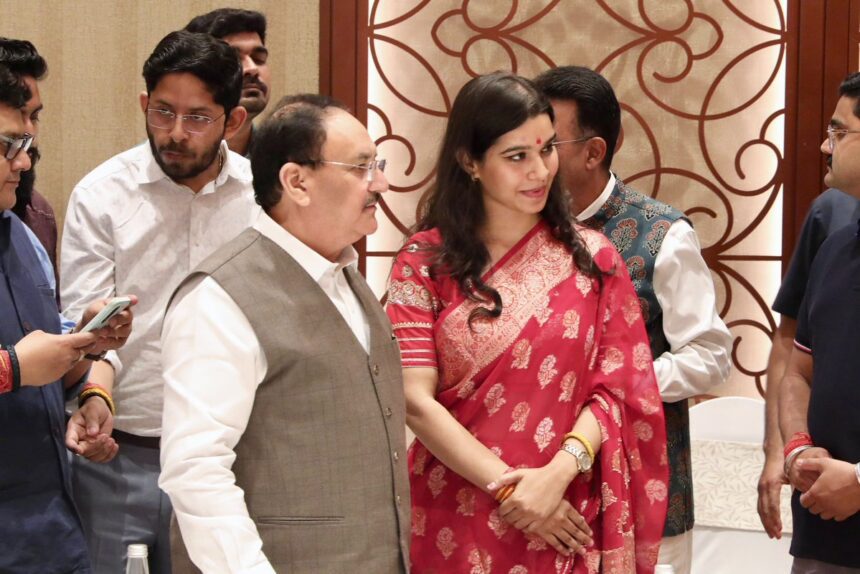

Recent remarks by Maharashtra’s Nitesh Rane, who referred to Muslims as “green snakes” and threatened violence against them, have led to numerous FIRs against him. Despite these controversies, he was appointed as a Cabinet minister in the state government, raising concerns over the implications of hate speech in politics.
Context of the Remarks
Nitesh Rane, a leader associated with the Bharatiya Janata Party (BJP), made headlines when he delivered inflammatory comments targeting the Muslim community. His remarks were part of a series of hate speeches that have proliferated in certain political circles. As a result of these comments, the police initiated 20 FIRs against him for promoting communal hatred. However, the swift political advancement he received raises questions about the accountability measures in place for such statements.
Political Repercussions and Support
Rane’s elevation to a Cabinet position shortly after making these comments has sparked outrage among various sections of society. Critics argue that it sends a strong message that hate speech can lead to political rewards instead of consequences. This pattern appears to be part of a larger trend where politicians gain popularity by targeting minority communities, suggesting that such tactics are not only tolerated but encouraged within certain political frameworks. The acceptance and promotion of individuals like Rane highlight a concerning normalization of hate speech in Indian politics.
Social Media and Political Ecosystem
The rise of social media as a platform for political discourse has played a crucial role in this dynamic. In a tweet by political commentator Mohammed Zubair, the notion that spreading hatred against Muslims can lead to political access and recognition by the BJP leadership was emphasized. The tweet pointed out how individuals engaging in anti-Muslim rhetoric are often celebrated and invited to meet with top party members, effectively endorsing their harmful messages. This interaction between social media, hate speech, and political legitimacy illustrates a troubling cycle where hateful narratives gain traction and foster an environment ripe for division.
Why This Matters
The political climate in India is increasingly influenced by narratives that marginalize minority communities, particularly Muslims. The actions and appointments of political figures like Nitesh Rane not only reflect a tolerance for hate speech but also set a precedent that could embolden others to voice similar sentiments without fear of repercussions. As the country grapples with issues of communal harmony and inclusivity, the acceptance of hate-filled rhetoric signals a critical moment for Indian democracy. The development raises alarm bells about the erosion of civil discourse and the potentially dangerous implications for communal relationships within the country.
Frequently Asked Questions
What were the exact comments made by Nitesh Rane?
Nitesh Rane made derogatory comments referring to Muslims as “green snakes” and threatened to enter mosques to attack them, sparking outrage and leading to multiple FIRs against him.
How many FIRs were filed against Rane?
Twenty FIRs were lodged against Nitesh Rane for his hate speech against the Muslim community.
What is the political implication of Rane’s appointment as a Cabinet minister?
Rane’s appointment despite the controversy suggests a political environment where individuals can gain recognition and position of power by engaging in hate speech, raising serious concerns about accountability and communal harmony in India.
What does the tweet by Mohammed Zubair indicate?
The tweet by Mohammed Zubair highlights a disturbing trend in Indian politics where those who spread hatred against Muslims receive political rewards and recognition, thus normalizing and incentivizing hate speech in the political landscape.