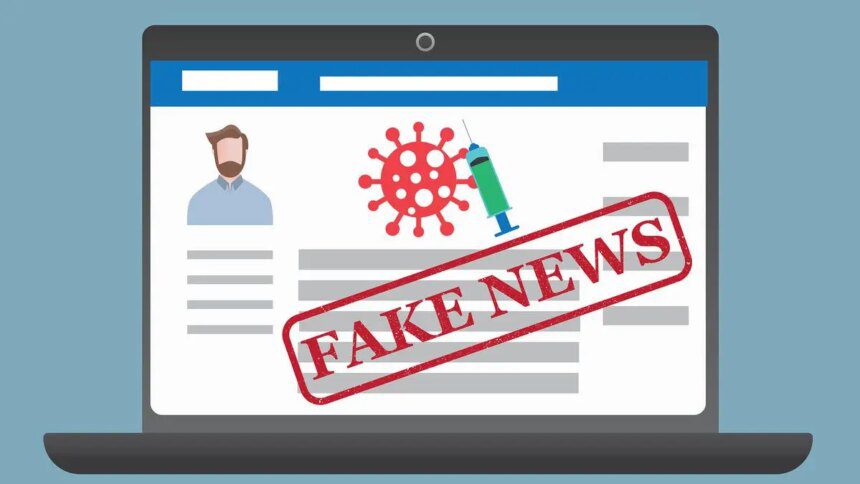

A pivotal 2018 study from the Massachusetts Institute of Technology, published in Science, revealed that misinformation on Twitter (now X) disseminates far more rapidly and thoroughly than factual information. Analyzing data from 2006 to 2017, researchers discovered that false news is 70% more likely to be retweeted and can reach audiences up to six times faster than legitimate stories. The adage, “A lie can travel halfway around the world while the truth is putting on its shoes,” appears to be verified by evidence. False health information not only competes with scientific facts but also surpasses them. In India, where health literacy is often lacking, this issue is particularly pronounced. Patients often consult me, convinced they need immediate surgery due to alarming claims spread via WhatsApp; in nearly 60% of these cases, their symptoms improve with suitable medical management.
India bears the world’s largest tuberculosis burden, with roughly 2.8 million new cases each year, according to the World Health Organization’s Global TB Report. Research conducted in states such as Assam, Maharashtra, Tamil Nadu, and West Bengal indicates significant delays in seeking care and obtaining diagnoses. The time from symptom onset to treatment initiation averages between 7 to 9 weeks—far beyond acceptable limits for controlling infectious diseases. Many patients first turn to informal providers, unqualified practitioners, or follow advice on social media advocating steam inhalation, dietary regimens, or unproven herbal remedies. Stigma also contributes to delayed care.
When patients finally seek treatment from qualified facilities, 30-60% face substantial out-of-pocket costs arising from these preventable diagnostic delays. The World Health Organization estimates that tuberculosis costs India nearly $24 billion annually in lost productivity and related healthcare expenses. Each week of delay driven by misinformation represents not just a clinical shortcoming, but also a preventable financial drain. The incapacitation of a breadwinner can thrust an entire household into poverty, resulting in children leaving school and families resorting to high-interest loans. The economic impact is both measurable and avoidable.
Cancer conveys a similarly concerning narrative. Misinformation flourishes as social media algorithms favor engagement, leading to heightened attention for “miracle cures.” Indian oncologists frequently report that patients often arrive at later stages of the disease after attempting unproven treatments. A study published in JAMA Oncology indicated that cancer patients relying on alternative therapies—especially when they delayed or rejected conventional medical options—exhibited considerably poorer survival rates. Even slight percentage differences can represent tens of thousands of preventable deaths on a population scale.
The Covid-19 pandemic exacerbated these issues, highlighting a surreal peak in misinformation. Many products, touted as “evidence-based cures,” gained aggressive promotion despite lacking rigorous scientific validation, sometimes even claiming government endorsement before regulatory interventions forced their withdrawal or revision. This situation underscored the pressing necessity for more stringent scientific evaluation and disciplined communication.
To combat misinformation effectively, early intervention is critical. Finland provides a noteworthy model, wherein its education system integrates media literacy at all educational levels. As one senior communications official stated, “The first line of defense against fake news is the kindergarten teacher.” India could replicate this model using its extensive network of ASHA workers, anganwadi centers, and government schools. While the distribution framework is in place, a concerted focus on curricular intent is needed. Health literacy, including the capability to identify medical misinformation, should be foundational rather than incidental.
Another approach, termed “prebunking,” has gained support from research initiatives at Harvard Kennedy School and others. This strategy involves exposing individuals to weaker forms of misinformation ahead of time, enhancing their psychological resilience. Similar to vaccination, a slight “dose” of falsehood prepares individuals to recognize and reject misinformation later.
Public health communication must transition from reactive correction to proactive inoculation. Short, culturally relevant videos in regional languages could illustrate how misinformation is crafted, what emotional triggers it exploits, and how scientific evidence counters it. Trusted community figures, including doctors and ASHA workers, should disseminate these messages before misinformation fills the void.
It is essential to approach health communication with the same rigor applied to drug approvals, surgical protocols, and infection control. In a landscape dominated by algorithmic amplification, a viral myth can pose a greater risk than the diseases it misrepresents.
(The author is a cardiac surgeon and Chairman of the Asian Heart Institute. Views expressed are personal.)
Published on April 6, 2026.