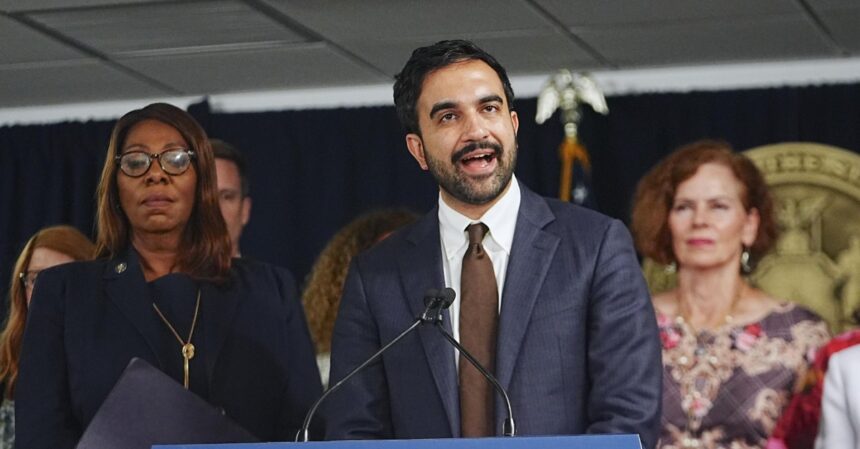

New York Mayor Zohran Mamdani’s recent comments about Mohan Bhagwat, leader of the Hindu nationalist organization, RSS, have ignited a debate over rising religious nationalism and its implications for minorities, particularly Muslims. Mamdani’s criticism reflects broader concerns about the normalization of exclusionary ideologies in both India and the diaspora.
Background on Mohan Bhagwat and RSS
Mohan Bhagwat has been the President of the Rashtriya Swayamsevak Sangh (RSS) since 2009. Founded in 1925 during British colonial rule, RSS promotes a vision of India as a Hindu-centric nation. Critics argue that the organization operates as a right-wing paramilitary group, often associated with violence and discrimination against religious minorities, particularly Muslims and Christians.
Under Bhagwat’s leadership, the RSS plays a crucial role in rallying support for the ruling Bharatiya Janata Party (BJP), providing ideological and logistical backing that influences India’s political landscape. This relationship has raised alarm among various activists, who fear the mainstreaming of Hindu nationalism threatens the secular fabric of the country.
Impact on Indian Muslims and Other Minorities
Indian Muslims have faced increasing persecution, marked by discrimination, violence, and social exclusion. Numerous reports detail how the RSS and BJP’s policies reflect a nationalist agenda that marginalizes Muslims, inviting widespread condemnation from human rights organizations and activists. The societal impact has been alarming, as everyday acts of violence and religious policing have become prevalent, creating an atmosphere of fear.
Mamdani’s opposition to Bhagwat’s upcoming event reflects the frustrations of minority communities who feel threatened by the rise of Hindu nationalism. This sentiment resonates across various demographics, leading to organized protests calling for equitable treatment and the safeguarding of civil rights for all religious groups, especially Muslims.
Mamdani’s Critique and the Muslim Perspective
As a public figure and political leader of mixed heritage, Mamdani’s critique goes beyond personal context; he leverages his upbringing and political activism to highlight the dynamics between different religious groups in India. He emphasizes that his condemnation of Hindu nationalism is not a blanket statement against all Hindus but is a call to confront the specific ideologies and actions of extremist factions that undermine pluralism.
His consistent advocacy for minority rights positions him uniquely to address the violence perpetrated under the guise of cultural nationalism. For many, his stance is emblematic of a broader need for solidarity and coalition-building among diverse communities facing marginalization.
Why It Matters
Understanding the rise of Hindu nationalism and its impact on religious minorities is critical not only in India but also for the global community. As the ideology gains traction in diaspora communities, it raises questions about the future of pluralism and social justice. Awareness of these dynamics is essential for fostering inclusive dialogue and promoting policies that protect the rights of marginalized groups. The normalization of exclusionary ideologies serves as a warning sign of potential far-reaching consequences, emphasizing the need for vigilance in safeguarding democratic values.
Frequently Asked Questions
What is RSS and its role in India?
The Rashtriya Swayamsevak Sangh (RSS) is a Hindu nationalist organization in India that advocates for a vision of India as a Hindu-centric nation and is considered a major influence on the ruling Bharatiya Janata Party (BJP).
How are Indian Muslims affected by these ideologies?
Indian Muslims face increasing discrimination, violence, and social exclusion due to the rise of Hindu nationalism, which has resulted in a climate of fear and hostility towards religious minorities.
What is Mamdani’s stance on these issues?
Mayor Zohran Mamdani critiques Hindu nationalism and its implications for minority rights, advocating for a more inclusive society while drawing attention to the violence and discrimination faced by Muslims and other marginalized communities.
Why is this debate significant in the diaspora?
The debate highlights the growing influence of Hindu nationalism in diaspora communities and raises concerns about the potential erosion of pluralism and social cohesion in countries like the United States.