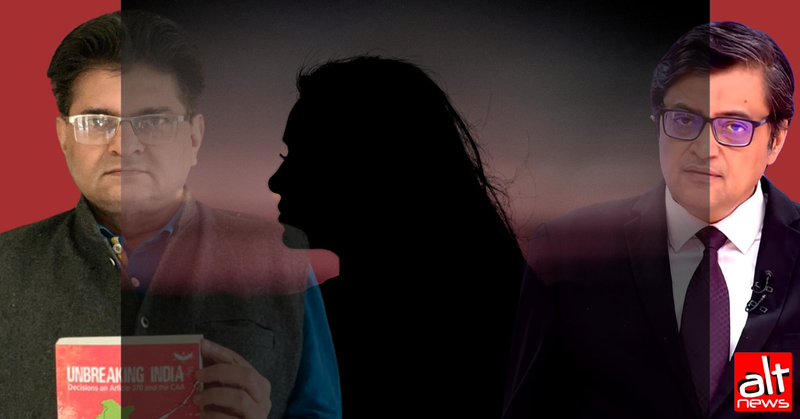

Weeks after the Citizenship Amendment Act (CAA) protests, a disturbing trend emerges as women protesters face severe online harassment. They have been targeted, doxxed, and threatened by right-wing social media accounts while mainstream media figures contributed to the harassment by publicly discussing these women.
Background of the Protests
The protests organized by the Citizens for Justice and Peace (CJP) have spotlighted significant opposition against the Citizenship Amendment Act in India. Aimed at offering citizenship to non-Muslim refugees from neighboring countries, the CAA has met with widespread allegations of fostering discrimination. Activists, particularly women, have played a crucial role in voicing their dissent, demonstrating the vibrant and diverse opposition to the controversial law. However, as the protests gained traction, a backlash emerged targeting these activists, leading to serious concerns regarding their safety and well-being.
The Online Harassment Campaign
Following the protests, an organized campaign commenced on online platforms aimed specifically at women protesters. Social media accounts associated with right-wing ideologies circulated personal details, videos, and abusive content directed at these individuals. Notably, several women activists, such as @shinjineemjmdr, @onkeyta_, and @prantik_ali, were subjected to this relentless harassment. The situation became exacerbated as certain prominent television anchors joined in, showcasing the protesters on their programs and further legitimizing the vitriol against them.
Media’s Role in Persecution
Media coverage in India has increasingly become a double-edged sword. While it has the potential to amplify voices of dissent, it can also contribute to the backlash against those very voices. The involvement of ‘star’ anchors in scrutinizing and vilifying women protesters highlights a troubling trend where media becomes a platform for inciting hate rather than promoting dialogue. This convergence of online vitriol and mainstream media harassment poses serious questions about journalistic ethics and responsibility in a democratic society.
Why This Matters
For Indian readers, this ongoing saga underscores the precarious state of civil liberties and the rights of dissenters in contemporary India. The targeted harassment of women activists serves not only to silence their voices but also sends a chilling message to others who might dare to speak against the government or established norms. Understanding this dynamic is critical for fostering an inclusive and participatory democratic environment where diverse opinions can coexist without fear of retribution.
Frequently Asked Questions
What is the Citizenship Amendment Act (CAA)?
The Citizenship Amendment Act is a controversial Indian law that provides a pathway for non-Muslim refugees from Afghanistan, Bangladesh, and Pakistan to attain Indian citizenship. Critics argue that it discriminates based on religion.
Who are the women CJP protesters being targeted?
The women protesters involved with the Citizens for Justice and Peace (CJP) are activists who have taken a stand against the CAA. They have been vocal in opposing what they see as discriminatory practices in the law.
How has social media played a role in this harassment?
Social media platforms have served as a breeding ground for harassment, allowing users to share personal information about the protesters, instigate abuse, and create a hostile environment that threatens their safety and well-being.
What are the implications for media ethics in India?
The involvement of mainstream media in the persecution of dissenters raises significant questions about ethical responsibilities. Media should act as a watchdog, promoting public interest rather than participating in outrage campaigns that endanger vulnerable individuals.