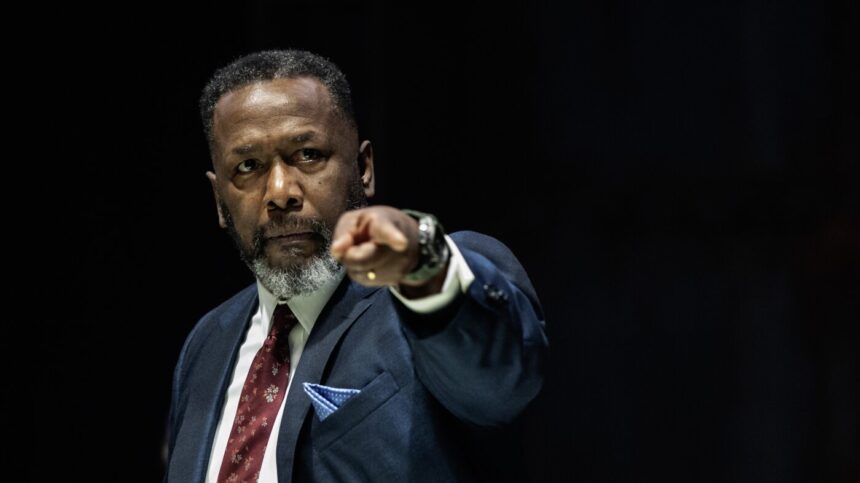

Wendell Pierce, renowned for his roles in iconic shows like The Wire and Treme, is making headlines with his portrayal of Othello in Washington, D.C., and his candid reflections on the challenges Black actors face in the entertainment industry. His insights delve into the complexities of representational narratives and highlight the impact of personal experiences on his acting career.
Pierce’s Journey in Acting
Wendell Pierce’s career has been characterized by significant milestones, including his groundbreaking portrayal of Willy Loman in the recent Broadway revival of Death of a Salesman. As a dedicated actor, Pierce embraces the journey of “the journeyman actor,” focusing not just on a series of roles but on the intentionality behind each project. Reflecting on his trajectory, he has humorously described the five stages of an actor’s career, highlighting the cyclical nature of recognition in Hollywood.
Approaching Shakespeare with a Modern Lens
While starring in Othello, Pierce likens tackling Shakespeare to a form of detective work. He emphasizes the significance of understanding the text while simultaneously connecting on an emotional level with the character. Drawing parallels between jazz improvisation and Shakespeare’s structure, he notes that both forms allow for freedom within established boundaries. This perspective has not only enhanced his performance but also opened up Shakespeare’s works to new interpretations, making them relevant to contemporary audiences.
Social Responsibility and Representation
Pierce’s work in The Wire has stirred critical conversations about representation in media, particularly regarding the portrayal of Black life. He acknowledges the criticism surrounding the show’s depiction of crime in African American communities but counters it by illustrating the positive narratives that also exist. His heartfelt encounters—like a young actress from the show expressing her admiration—serve as reminders of the multifaceted stories that need to be told. He passionately advocates for a balance in representation that includes both struggles and triumphs within Black communities.
Why This Is Trending
Wendell Pierce’s insights resonate deeply, especially with the current global focus on representation and storytelling in media. As the Indian audience increasingly engages with diverse narratives, Pierce’s perspective sheds light on broader issues of identity and intersectionality that reflect in many societies, including India. His ability to challenge stereotypes while celebrating culture makes him an influential figure in ongoing conversations about art, history, and social justice.
Frequently Asked Questions
What challenges has Wendell Pierce faced in his career?
Pierce has faced challenges such as navigating stereotypes and criticism related to the portrayal of Black characters, particularly in series like The Wire. He emphasizes the importance of representing a more holistic view of Black life in media.
How does Pierce connect jazz to Shakespeare?
Pierce describes an epiphany he had while watching a jazz performance, realizing that, similar to jazz improvisation, Shakespeare allows for emotional expression within a structured framework. This comparison helps him approach Shakespeare’s texts with a newfound appreciation for their complexity.
What role does Pierce currently play on television?
Pierce stars as a captain in CBS’s Elsbeth and continues to perform in various films while also headlining the production of Othello at the Shakespeare Theatre Company in D.C.
Why is there an emphasis on representation in media now?
The ongoing global conversations about social justice, identity, and representation have made it increasingly important to depict accurate narratives. Artists like Wendell Pierce advocate for stories that not only highlight struggles but also celebrate achievements within communities.