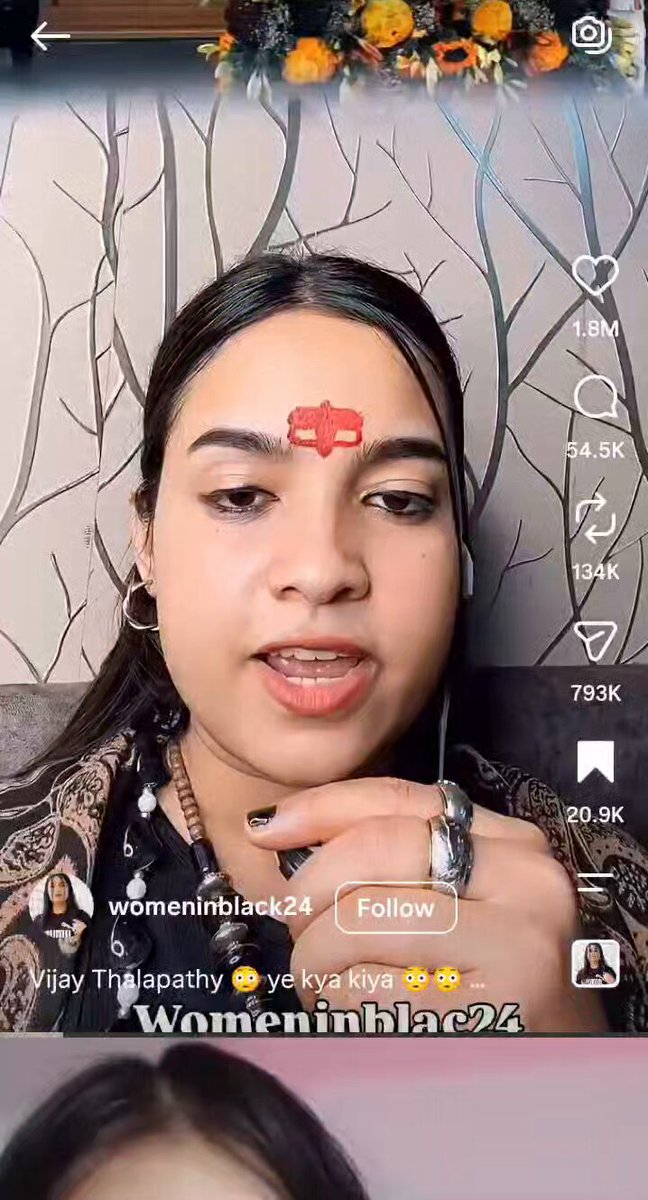

“Ab ye Kya Kardiya Vijay Thalapathy ne” 😂😂 The claim circulating among several Hindi influencers states that Chief Minister Vijay Thalapathy ordered the removal of temple donation boxes to redirect funds to government schools and hospitals. However, there has been no official statement from CM Vijay or his administration regarding this action.
Context of the Claim
The claim originates from various social media discussions and has gained traction among users, highlighting a supposed initiative by CM Vijay aimed at reallocating donations from temples to support the education and healthcare sectors. This assertion rests on the popular narrative that government funds should be diverted from religious institutions to more “socially beneficial” uses, particularly in a state with significant socio-economic challenges.
However, such claims often thrive in the environment of political competitiveness, where leaders from different parties scrutinize each other’s decisions meticulously. In this case, the suggestion that CM Vijay would act against temple traditions raises eyebrows and possibly inflames communal tensions.
The Role of Social Media
Social media platforms like Twitter play a crucial role in disseminating information rapidly. Influencers and public figures amplify these claims, leading to widespread misconceptions. This particular narrative reportedly received a substantial number of views, as indicated by the reaction it garnered. The ability of influencers to shape political narratives cannot be downplayed in today’s digital age, where misinformation can take root and spread unchecked.
While engaging with such content is natural, it is vital to approach it critically. The absence of corroborative sources or official statements significantly undermines the credibility of the claim. As rumors circulate, they often morph into accepted truths, affecting public perception and potentially influencing policy discussions.
Official Stance and Lack of Evidence
Despite the widespread discussion, there has yet to be any official communication from CM Vijay or his office regarding the removal or redirection of temple donation boxes. This absence of a clear stance raises questions about the reliability of the claims circulating on social media.
In similar instances, misinformation can stem from misinterpretations of governmental announcements or completely fabricated stories. In this case, the lack of a formal directive from CM Vijay suggests that the narrative may be unfounded. Furthermore, an inquiry into the details shows no historical precedent for such actions being taken by the CM or any other government officials in the past.
Why This Matters
The discussion around these claims highlights broader themes in Indian politics, particularly the intersection of religion and government. In a diverse nation such as India, where various communities uphold religious tenets, any move to alter religious practices or traditions can lead to significant backlash.
Moreover, the conversation reflects on crucial issues such as poverty alleviation and social inequity, which are at the forefront of political agendas. Misleading claims can distract from genuine policy discussions and hinder progress in addressing pressing societal concerns.
Understanding the veracity of claims like these is essential for civic awareness and responsible consumption of media. As misinformation can complicate the landscape of public opinion and policy-making, the need for critical analysis has never been more urgent.
Frequently Asked Questions
What exactly was claimed about CM Vijay regarding temple donation boxes?
The claim suggests that CM Vijay ordered the removal of temple donation boxes to be redirected to government institutions like schools and hospitals.
Is there any evidence to support this claim?
No, there has been no official statement from CM Vijay or his office confirming this claim, which casts doubt on its validity.
Why do such claims gain traction on social media?
Claims often gain traction due to influencers amplifying them, combined with public interest in political narratives, particularly those involving religion and social policies.
What should the public do if they encounter similar claims?
It is crucial for the public to verify such claims through credible sources and official statements before forming opinions or sharing the information further.