Authorities in Varanasi have initiated the partial demolition of five mosques to facilitate a road-widening project, raising questions about community impact and legal precedents regarding religious sites in India. This action follows a court ruling permitting such demolitions, reflecting broader concerns of discrimination and marginalization affecting Indian Muslims under government policies.
Background of the Project
The Dalmandi road-widening initiative in Varanasi, Uttar Pradesh, involves the acquisition of 181 properties, including six mosques. Out of these, the management committees of five mosques consented to the partial removal of their structures after discussions with local authorities. However, the management of Langde Hafiz Mosque has opted not to consent, highlighting a divide within the community regarding the redevelopment efforts.
Court Ruling and Reactions
The Allahabad High Court recently dismissed a petition aimed at halting the road-widening project. The court emphasized that the Places of Worship (Special Provisions) Act, 1991 does not restrict the government from acquiring religious properties when pursuing public infrastructure projects. This legal stance has prompted concern among community leaders and activists who fear it sets a precedent for the marginalization of religious minorities in India, particularly Muslims, under the current political landscape.
Security Measures and Implementation
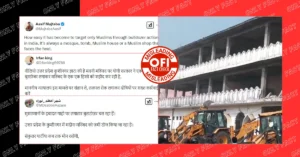
The demolition process has been accompanied by heightened security, with nearly 1,900 personnel deployed to manage the site. Access roads were sealed, and public and media access was restricted to limit dissent and maintain order during the operation. This military-like response reflects the sensitive nature of religious structures in the Indian socio-political context, where communal tensions can easily escalate.
Why It Matters
The developments in Varanasi highlight ongoing tensions between government infrastructure initiatives and religious communities, particularly Muslims. These actions could reinforce the perception of systemic discrimination against religious minorities and raise questions regarding the protection of places of worship in legal frameworks. For global observers, this case serves as a critical example of how local governance intersects with national policy in a diverse country, calling into question the implications for communal harmony and the treatment of minority communities under laws purportedly meant to safeguard religious sites.
Frequently Asked Questions
What is the Dalmandi road-widening project?
The Dalmandi road-widening project in Varanasi aims to expand the roadway to improve public infrastructure, impacting 181 properties, including five mosques.
What did the Allahabad High Court rule regarding the demolitions?
The Allahabad High Court ruled that the Places of Worship (Special Provisions) Act does not prevent the state from acquiring religious properties for public infrastructure projects, allowing the demolitions to proceed.
What has been the community’s response to the demolitions?
Many community representatives expressed concern over the demolitions, particularly regarding the Langde Hafiz Mosque, which refused consent. The agreed demolitions were presented as necessary for long-planned road expansion but have drawn criticism regarding the treatment of minority religious sites.
Why are security measures heightened during the demolition?
Authorities deployed security personnel to manage potential unrest and mitigate public dissent during the demolition of religious structures, given the sensitive nature of such actions in a diverse society like India.