
The Uttarakhand government, on July 1, 2026, dissolved the state Madrasa Board, replacing it with the Uttarakhand State Minority Education Authority (USMEA). This initiative aims to regulate educational institutions across six minority communities uniformly, potentially affecting educational access and standards for Muslim students, among others.
USMEA Established: A New Regulatory Framework
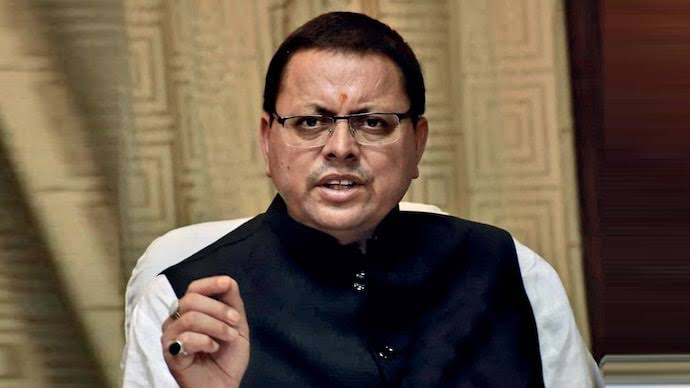
The establishment of the USMEA is significant, as it consolidates the regulatory framework for educational institutions catering to Muslims, Sikhs, Jains, Buddhists, Christians, and Parsis. Chief Minister Pushkar Singh Dhami inaugurated the authority in Dehradun, framing it as a progressive step toward enhancing educational quality and moral development among children. However, the broader implications of this change may raise concerns, particularly around how minority communities, especially Muslims, will be affected by this new educational governance.
Dhami compared the USMEA to the Uniform Civil Code (UCC), advocating for “One Nation, One Education.” While this may promote unity, it also invites scrutiny regarding the nuances of cultural preservation for various religious communities, especially those that have historically faced marginalization and discrimination. The effectiveness of this initiative will depend on its implementation and the extent to which it respects and integrates local cultural identities.
Impact on Minority Rights and Cultural Identity
The Chief Minister asserted that the formation of the USMEA is not designed to interfere with religious identity, intending instead to enhance access to modern education. However, the rhetoric surrounding striking a balance between faith and modernity may overlook the systemic issues that stakeholders from minority communities, particularly Muslims, face in education.
Educational access for Muslims in India has been historically fraught with challenges. Efforts like the USMEA raise questions about whether they are genuine attempts at inclusivity or merely symbolic gestures that do not address underlying socio-economic disparities. As the first state to introduce a uniform recognition system for minority communities, Uttarakhand’s actions could set a precedent. Still, if not implemented sensitively, such initiatives could further alienate already marginalized groups.
Implementation and Governance Concerns
Under the Uttarakhand Minority Education Act, 2025, USMEA aims to enhance educational standards, teacher training, and transparency while implementing the National Education Policy (NEP). However, Secretary of Minority Affairs, Parag Madhukar Dhakate’s statements indicate that institutions must first seek affiliation from the state Education Department before they can apply for minority status online. This requirement raises concerns regarding bureaucratic gatekeeping, which could disproportionately affect smaller minority institutions, particularly those serving Muslim communities, who may lack resources and networks to navigate this system.
The USMEA’s commitment to higher educational standards could lead to positive changes, but if access to minority status becomes another hurdle, it may inadvertently reinforce existing inequalities. The focus on modern education must be balanced with an understanding of the unique challenges faced by various minority communities. There is also the risk that educational policies may overlook the socio-economic context of these communities, leaving them further marginalized.
Why It Matters
The establishment of USMEA signifies a crucial turn in handling minority education in India. However, the effectiveness of such moves hinges on equitable implementation and consideration of socio-cultural contexts. For developers and policymakers, understanding these dynamics is essential as they create education technology solutions that integrate into local frameworks without exacerbating existing inequalities. As the global education sector increasingly focuses on inclusivity, observing the outcomes of USMEA can provide valuable insights into best practices and pitfalls in educational reform.
Frequently Asked Questions
What is USMEA?
The Uttarakhand State Minority Education Authority (USMEA) is a new regulatory body formed to enhance and unify educational governance for six minority communities, including Muslims, in Uttarakhand.
Why was the Madrasa Board dissolved?
The Madrasa Board was replaced by USMEA to create a uniform regulatory framework aimed at improving educational standards and access for minority communities.
How does this affect Muslim educational institutions?
The impact on Muslim educational institutions is uncertain; while it aims to improve access and educational standards, concerns about bureaucratic challenges and cultural identity remain.
What are the implications for minority rights?
The implications for minority rights depend on the fair implementation of USMEA policies. If not handled sensitively, it may exacerbate existing socio-economic disparities rather than alleviate them.