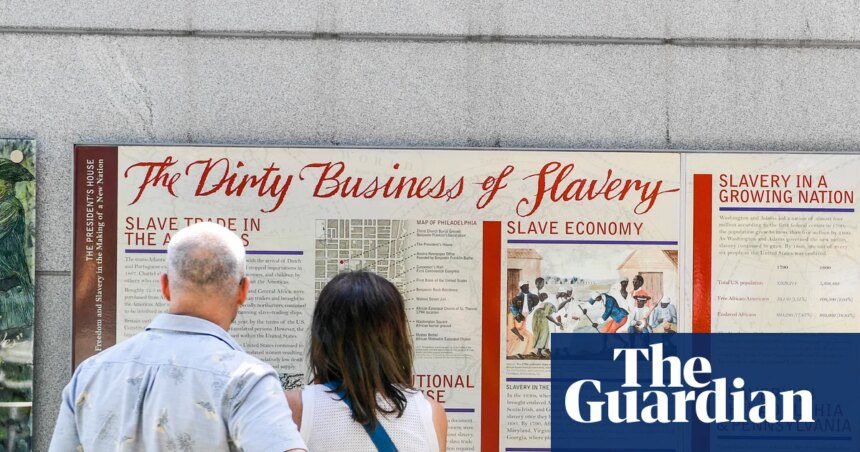

US Court Orders Restoration of Historical Narratives
A US district court judge has ruled against the Trump administration’s efforts to censor historical and scientific materials from national monuments, emphasizing the need for a complete and truthful representation of American history. This decision is viewed as a victory for preservationists and advocates of historical accuracy, reaffirming the importance of diverse narratives in public spaces.
Background of the Censorship Controversy
In March 2025, former President Donald Trump signed an executive order titled “restoring truth and sanity to American history,” aiming to examine and potentially alter monuments and memorials that had been changed post-January 2020, particularly those related to the national dialogue on race. This period saw significant protests for racial justice, resulting in the removal of many statues linked to Confederate leaders—a move that drew anger from Trump’s administration.
The executive order was part of a broader strategy by the Trump White House against what they termed “wokeism,” and sought to dismantle policies promoting diversity, equity, and inclusion (DEI). Critics argued that the administration aimed to sweep uncomfortable historical truths under the rug, thus compromising educational integrity at national parks and cultural institutions by removing materials that discussed slavery, civil rights, and other crucial aspects of American history.
Legal Victory for Preservationists
The ruling by Massachusetts district judge Angel Kelley sided with conservation organizations that filed a lawsuit against the Trump administration. Kelley criticized the administration’s actions as an attempt to promote a limited historical narrative that omitted essential truths. In her decision, she articulated, “Under the guise of promoting American dignity, this administration seeks to share a limited history.”
The plaintiffs included notable organizations such as the National Parks Conservation Association (NPCA) and the American Association for State and Local History, which collectively argued for the restoration of comprehensive educational materials in national parks. Such narratives, they contended, should encompass both the exalted and painful episodes of American history, providing a fuller context for visitors.
Response from Advocates and Implications
Following the ruling, Alan Spears, a senior director at NPC, expressed relief, stating, “Americans count on national parks to help us understand our full, rich history.” The sentiment was echoed by Emily Thompson, executive director of the Coalition to Protect America’s National Parks, who noted that it is crucial parks preserve the entirety of the American story, not just comfortable chapters.
The Trump administration has been given 21 days to comply with the judge’s order, paving the way for the restoration of educational materials removed under the controversial executive directive. This outcome could set a significant precedent regarding the representation of history in public spaces, impacting how future administrations approach historical narratives in national parks.
Why This Is Trending
The recent ruling resonates with Indians as the global discourse around inclusion, representation, and historical narratives intensifies. In a culturally diverse nation like India, debates surrounding historical representation in monuments often mirror those in the United States, compelling Indian audiences to reflect on their own historical and cultural narratives. The ruling has sparked conversations about the importance of accurate representations of history in public spaces worldwide, which is relevant for nations grappling with similar issues of identity and narrative control.
Frequently Asked Questions
What was the basis of the lawsuit against the Trump administration?
The lawsuit was based on claims that the Trump administration’s actions to remove historical materials from national monuments constituted censorship and compromised educational integrity.
What topics were targeted for removal under the executive order?
The executive order sought to remove information related to slavery, civil rights, Indigenous history, and climate change from exhibits in national parks and memorials.
Who were the plaintiffs in the case?
The plaintiffs included the National Parks Conservation Association, the Association of National Park Rangers, and the American Association for State and Local History, among others.
What are the implications of this ruling for future administrations?
This ruling may set a precedent that emphasizes the importance of including diverse historical narratives in national discussions and may influence how future leaders approach history in public education and representation.