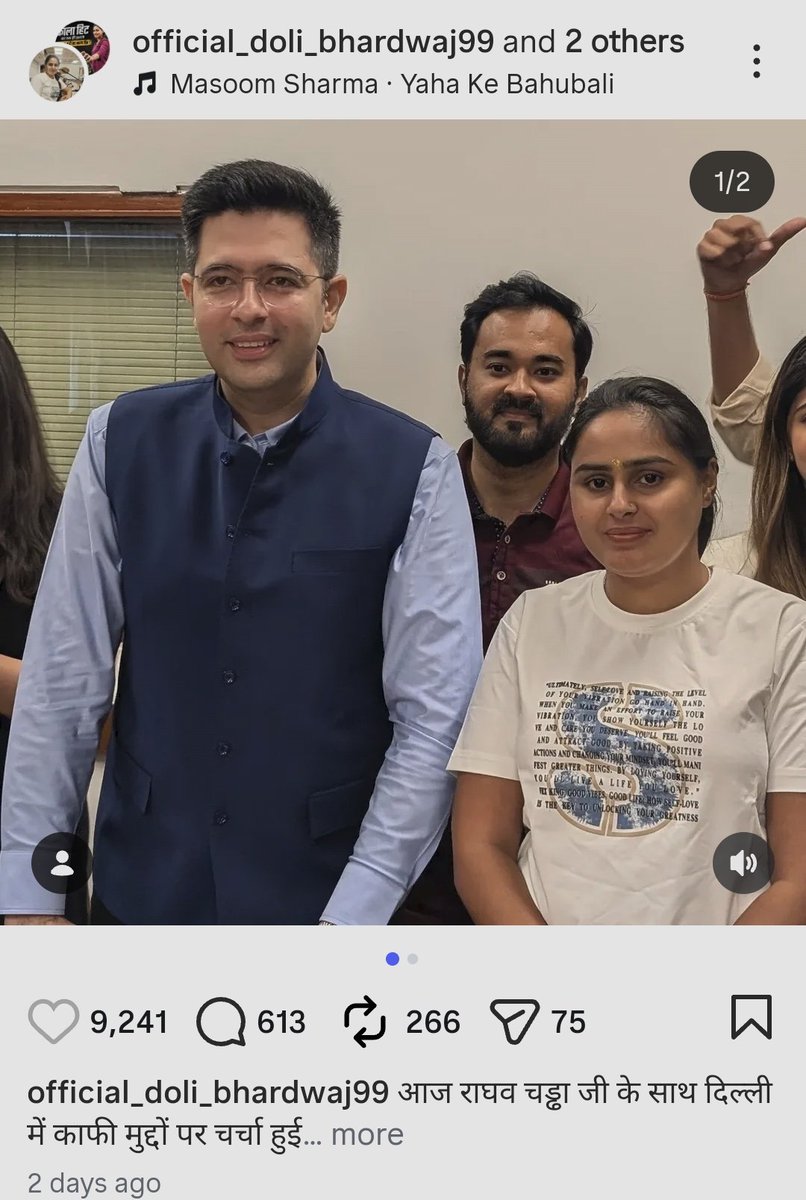

In a recent tweet, prominent Indian political commentator Mohammed Zubair (@zoo_bear) highlighted a strategic approach by Aam Aadmi Party (AAP) leader Raghav Chadha in the lead-up to the Punjab elections. Zubair suggested that Chadha’s collaboration with popular YouTube vox pop channels and influencers aimed at engaging women and Muslim voters reflects a calculated effort to galvanize youth support.
Context of Political Campaigning in Punjab
The Punjab elections are a critical battleground for various political parties in India, with a history of intense competition among the Aam Aadmi Party (AAP), the Indian National Congress (INC), and the Bharatiya Janata Party (BJP). Raghav Chadha, as a key figure in AAP, has been recognized for his fresh approach to electoral strategies, particularly in connecting with younger demographics. Engaging influencers, especially those with a keen focus on women’s and minority issues, is indicative of broader attempts to diversify party outreach.
Engagement with Influencers and Vox Pop Channels
Zubair’s observation regarding Chadha’s preparation involved collaboration with influencers recognized for their appeal to specific demographics. The use of YouTube vox pop channels—where everyday citizens are asked for their opinions—serves to create a relatable narrative that can penetrate traditional media barriers. This strategy not only stages conversations around pressing issues but also amplifies voices that resonate with the electorate, particularly women and Muslims, who may feel underrepresented in mainstream political discourse.
The Youth Icon Persona
Chadha is often portrayed as a ‘youth icon,’ capitalizing on the rising trend of young voters actively participating in electoral processes. This demographic is crucial, particularly in urban areas where social media has become a powerful tool for political mobilization. By positioning himself as a relatable figure and strategically aligning with influencers, Chadha aims to foster a sense of connection and urgency among young voters. This aligns with a larger trend wherein political parties attempt to brand their leaders as accessible and in touch with the aspirations of the youth.
Why This Matters
The approach indicated by Zubair is significant in multiple regards. Firstly, it reflects a shift in political strategy whereby engagement through social media and influencer collaboration is becoming increasingly important in elections. The ability to connect with women and minority communities can pivot the electoral outcomes in diverse constituencies, especially in Punjab, where identity politics plays a substantial role. Secondly, it showcases the evolving landscape of Indian electoral politics where traditional campaigning methods are being complemented with digital outreach. The success of these methods could redefine how political narratives are crafted and disseminated in future elections, impacting party strategies across the nation.
Frequently Asked Questions
What is the significance of engaging with YouTube influencers for political campaigns?
Engaging with YouTube influencers allows political campaigns to reach younger audiences more effectively. Influencers have established trust with their followers, making their endorsement impactful in shaping public opinions and mobilizing voters.
How does Raghav Chadha’s approach reflect broader trends in Indian politics?
Chadha’s approach signifies a shift towards modern political campaigning where digital platforms and personal connections are prioritized. It highlights a trend of political leaders seeking to resonate with younger demographics by utilizing social media and relatable personalities.
Why is the engagement of women and Muslim voters critical in Punjab elections?
Women and Muslim voters constitute significant portions of Punjab’s electorate. Engaging them effectively can influence election outcomes, as their concerns are often central to community dynamics and can mobilize broader support for candidates who address their needs directly.
What can we expect from the Punjab elections based on these trends?
Given these trends, we can expect a competitive electoral environment where parties will increasingly leverage digital outreach, targeting key demographics with tailored messages. This could lead to a more engaged electorate and potentially unpredictable election results based on the effectiveness of these strategies.