Summary
The United Arab Emirates and Saudi Arabia are taking opposing stances regarding U.S. policy towards Iran, highlighting key divisions among Washington’s Gulf partners. While the UAE urges stronger military pressure, Saudi Arabia advocates for diplomatic negotiations, amid rising tensions in the region and concerns over U.S. strategic coherence.
Conflicting Approaches to Iranian Relations
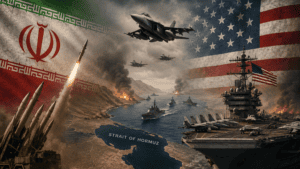
Emirati officials are advocating for a more aggressive U.S. stance against Iran, arguing that the Islamic Revolutionary Guard Corps is unlikely to make significant concessions without heightened military pressure from Washington. Specifically, they have suggested that taking control of the Strait of Hormuz—an essential waterway for global oil trade—should be considered, including the possibility of ground operations if deemed necessary. This reflects a more hawkish perspective aimed at containing Iranian influence through direct military action.
Conversely, Saudi Arabia’s Crown Prince Mohammed bin Salman is calling on President Trump to pull back from military actions and instead engage in dialogue with Tehran. This request underscores Riyadh’s emphasis on de-escalation to prevent a wider regional conflict. The differing strategies of the UAE and Saudi Arabia reflect broader concerns about regional stability and the risks posed by escalating tensions between the U.S. and Iran.
Regional Mediation Efforts
Amid these conflicting approaches, there are emerging efforts for regional mediation. Qatar has presented a new proposal to Iran aimed at reopening the Strait of Hormuz. An Iranian diplomat has reportedly responded positively, suggesting a potential avenue for negotiations. However, significant challenges remain, particularly Iran’s insistence on imposing fees on vessels passing through the strait. This demand has been firmly rejected by the U.S., complicating efforts for a diplomatic solution.
The ongoing negotiations highlight the intricate dynamics within the Gulf region, where multiple countries have vested interests in maintaining stability while also balancing their relationships with both the U.S. and Iran. Gulf nations, increasingly uneasy about the apparent lack of a coherent U.S. strategy, are seeking additional military support from Washington to safeguard their interests should tensions escalate further.
U.S. Military Operations and Diplomatic Fallout
On the same day as these discussions, President Trump characterized a canceled military strike against Iran as “a massive attack” and “by far, the biggest attack since World War II.” He halted the planned action partly due to appeals from regional allies, hoping to provide an opportunity for diplomatic engagement. His comments reflect the delicate balance the U.S. must maintain in its foreign policy strategies, especially concerning sensitive relationships in the Middle East.
The decision to pause military operations illustrates the intricate interplay between diplomacy and military readiness, a critical aspect of the U.S.’s approach in the region. These developments provide insight into how global powers navigate ongoing conflicts while attempting to satisfy various regional actors and interests.
Why It Matters
The diverging approaches of the UAE and Saudi Arabia towards Iran highlight the complexities of Middle Eastern geopolitics. For the AI industry and technology developers, understanding these dynamics is essential for analyzing market risks and opportunities, especially in sectors reliant on Middle Eastern oil and resources. As tensions affect global supply chains, businesses must account for how geopolitical actions can impact operational efficiencies and economic sustainability. The situation also poses questions about the reliability of U.S. foreign policy commitments, influencing investors’ confidence in the region.
Frequently Asked Questions
What is the significance of the Strait of Hormuz in global trade?
The Strait of Hormuz is critical as it represents a strategic chokepoint through which approximately one-fifth of the world’s oil supply transits. Control or disruption of this waterway can significantly impact global oil prices and supply chains.
How do the UAE and Saudi Arabia’s strategies towards Iran differ?
The UAE advocates for increased military pressure and control measures against Iran, while Saudi Arabia favors diplomatic negotiations and de-escalation, indicating a strategic divide in regional approaches to Iranian influence.
What role does Qatar play in regional negotiations?
Qatar has taken on a mediating role, attempting to facilitate dialogue between Iran and other Gulf nations. Their recent proposal has been a part of efforts to reopen the Strait of Hormuz, indicating a willingness to negotiate and address underlying tensions.
How has the U.S. military response to Iran changed recently?
President Trump recently canceled a planned military strike against Iran, emphasizing the importance of diplomacy over military action. This shift illustrates the complexities of U.S. foreign policy and its impact on Middle Eastern tensions.